





The Rising Tide in Our Cities
Urban flooding is no longer a rare calamity; it's a recurring crisis. The primary culprits are a combination of factors that create a perfect storm. Rapid, often unplanned urbanization has replaced permeable soil with impermeable concrete and asphalt,
meaning rainwater has nowhere to go but into drainage systems. Compounding this, climate change is leading to more intense and unpredictable rainfall events that overwhelm conventional infrastructure. Traditional drainage systems, many of which are decades old and designed for a different era, simply cannot cope with the sheer volume of water, leading to widespread waterlogging, property damage, and significant disruptions to daily life.
Beyond Outdated Manual Checks
For years, the approach to drainage management has been largely reactive. Municipal workers perform manual inspections, clean out drains on a fixed schedule, and respond to blockages only after they have caused a problem. This method is not just labour-intensive and inefficient; it’s fundamentally inadequate for the dynamic challenges of modern cities. By the time a critical blockage is discovered during a downpour, it's often too late. This reactive stance puts cities in a constant state of emergency response rather than proactive prevention, costing enormous sums in damage repair and emergency services.
How Smart Sensors Change the Game
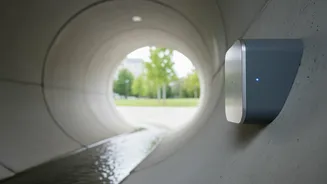
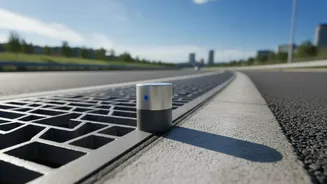
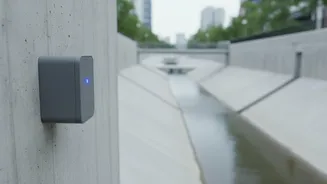
Enter smart urban drainage sensors. These are small, robust devices, often powered by Internet of Things (IoT) technology, that are installed at critical points throughout a city's drainage network. Think of them as a nervous system for the city's drains. Using ultrasonic or sonar technology, they continuously monitor water levels, flow rates, and the presence of silt or debris in real-time. This data is then wirelessly transmitted to a central control centre. It’s a fundamental shift from guessing where problems might be to knowing exactly what is happening under the streets, moment by moment.
From Data to Decisive Action
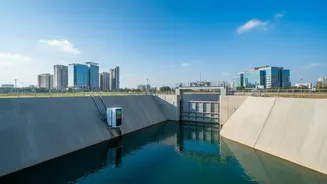
Gathering data is only the first step. The true power of these systems lies in what cities can do with it. Central dashboards and predictive analytics software process the incoming information to forecast potential flood hotspots. If sensors detect rapidly rising water levels in a specific area, the system can automatically trigger an alert. This allows municipal teams to be dispatched to the exact location of a potential blockage before it escalates into a full-blown flood. Some advanced systems even incorporate automated sluice gates and smart valves that can dynamically redirect water flow away from overwhelmed areas, managing the entire network with intelligent precision.
The Essential Benefits for Urban India
The adoption of this technology offers a cascade of benefits that are particularly crucial for Indian cities. The most significant is the move from a reactive to a predictive and preventative flood management strategy. This leads to a dramatic reduction in waterlogging incidents. A pilot project in the Kolkata-Howrah region, for example, demonstrated the potential to reduce waterlogging duration by up to 80%. The economic advantages are also substantial, with potential savings from reduced property damage, lower emergency response costs, and more efficient allocation of maintenance resources. Furthermore, by sending out early warnings to citizens via mobile apps, as has been explored in Mumbai, authorities can save lives and reduce traffic chaos.
The Road Ahead
While the technology is transformative, implementation is not without its challenges. The initial cost of deploying a network of sensors and the associated software can be significant. There is also the need for skilled personnel to manage and maintain the system and ensure data security. However, when weighed against the recurring annual cost of flood damage and the immeasurable impact on human lives and livelihoods, this investment in resilience becomes essential. Cities like Mumbai, Chennai, and Kolkata are already taking steps to integrate these technologies, marking a critical step towards a safer, more sustainable urban future.