


From State Control to a Startup Galaxy
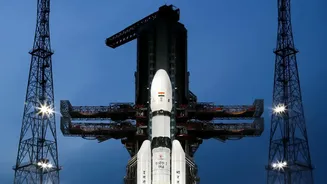
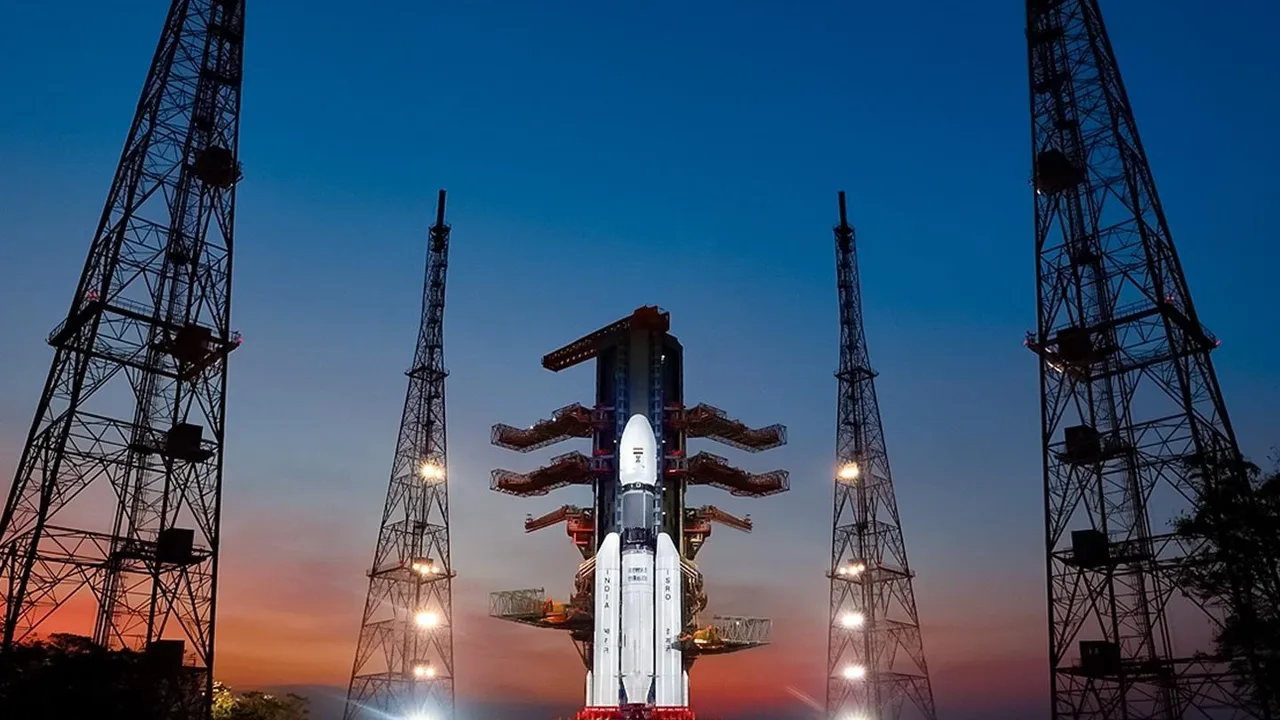
For decades, a career in space in India meant one thing: a coveted position at the Indian Space Research Organisation (ISRO). But a monumental policy shift in 2020 changed the orbit of the entire industry. The creation of IN-SPACe (Indian National Space Promotion
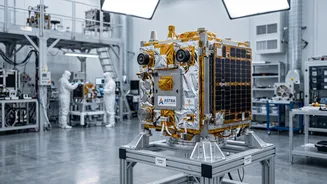
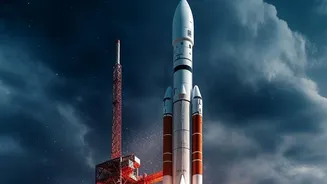
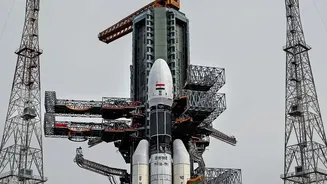
and Authorisation Centre) opened the final frontier to private companies, and entrepreneurs answered the call. The sector has exploded from a handful of players to over 400 registered startups. Companies like Skyroot Aerospace, Agnikul Cosmos, and Pixxel are now household names, developing everything from launch vehicles to advanced satellite constellations. This rapid expansion has turned the space sector into a significant economic engine, projected to grow to $44 billion by 2033 and create over 200,000 new jobs. This isn't just about building rockets anymore; it's about building an entire ecosystem.
Beyond the Rocket Scientist Stereotype
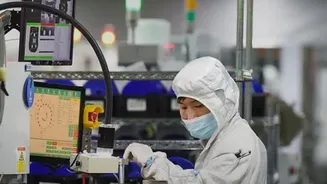
The iconic image of a space professional is typically a scientist or an aerospace engineer. While those roles remain critical, India's burgeoning private space industry requires a much wider array of skills to function and grow. The most significant area of expansion is in software development and data analytics. As companies launch constellations of satellites, they need experts in AI, machine learning, and geographic information systems (GIS) to interpret the torrent of data beamed back to Earth. This data has powerful real-world applications in agriculture, climate monitoring, financial services, and urban planning. Programmers with skills in languages like Python and C++ are becoming as essential to a space mission's success as the hardware itself.
The New Frontiers: Space Law and Medicine
As space becomes a commercial domain, it's also becoming a legal one. The rise of private launches, satellite deployments, and future activities like asteroid mining has created a pressing need for space lawyers. These legal experts navigate the complex web of international treaties, launch regulations, intellectual property rights, and liability issues for space debris. Law graduates are finding new career paths advising startups, working in policy think tanks, and helping to shape the very framework of India's commercial space activities. Simultaneously, as India plans for its first human spaceflight mission, Gaganyaan, the field of space medicine is gaining prominence. Doctors and biomedical experts are needed to study the effects of space travel on the human body and develop countermeasures to ensure astronaut health and safety.
Building the Business of the Cosmos
A successful space startup needs more than brilliant engineers; it needs a robust business operation. The commercialisation of space has opened the doors for professionals in finance, marketing, and business development. Financial analysts are required to manage venture capital funding and project budgets. Business development managers are essential for securing launch contracts and finding customers for satellite data services. Marketing and communications professionals play a crucial role in telling a company's story to investors, the public, and potential global partners, helping to build a brand in a competitive international market. As Prime Minister Narendra Modi recently highlighted, the goal is to turn India into a magnet for global talent, which requires creating a commercially vibrant and attractive industry.
The Talent Pipeline for Tomorrow's Space Age
This diversification of roles presents both an opportunity and a challenge: developing the talent pipeline to meet the demand. Universities and educational institutions are beginning to respond by offering more interdisciplinary programs that combine science, engineering, and policy. The industry is increasingly looking for professionals who can bridge different fields—for instance, an environmental scientist who can use satellite data or a lawyer with a grasp of orbital mechanics. While India has a strong base of engineering talent, the race is on to cultivate these new, hybrid skill sets. This involves not just formal education but also a cultural shift, where a career in the space sector is seen as a viable and exciting path for graduates from a wide variety of backgrounds, from management to social sciences.