







Why Your Diet Needs a Monsoon Makeover
The rainy season in India is a time of contrasts. While the cooler air and petrichor are a welcome change, the high humidity can weaken our digestive fire, or 'agni', as per Ayurveda. [6, 7] This slowdown in metabolism, combined with an environment ripe
for bacteria, makes us more susceptible to infections, digestive issues, and a general drop in immunity. [7, 10, 20] This is where seasonal eating steps in. It’s not a new fad but a return to traditional wisdom that our grandparents intuitively followed. [14] The core idea is simple: eat foods that are naturally harvested during the current season. These foods are not only fresher and more flavourful, but their nutritional profiles are perfectly suited to combat the health challenges of the season. [14, 18]
The Ayurvedic View on Monsoon Eating
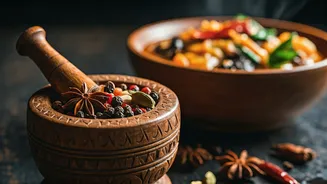
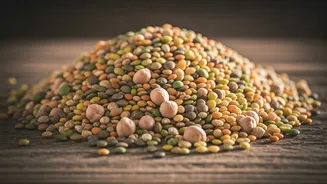
Ayurveda has long advocated for adapting one's diet to the 'Rutu' or season. The monsoon, or 'Varsha Ritu', is a time when the Vata dosha (air element) gets aggravated, leading to issues like bloating and indigestion, while the cool, damp weather can increase Kapha (earth and water). [16] To counter this, Ayurvedic wisdom suggests eating warm, light, and freshly cooked meals. [6, 12] It recommends incorporating grains like barley and rice, and proteins like moong dal, which are easy to digest. [6, 15] Spices such as turmeric, ginger, garlic, and black pepper are key, not just for flavour, but for their immunity-boosting and antimicrobial properties that help fend off seasonal colds and infections. [13, 17]
Monsoon Foods to Add to Your Plate
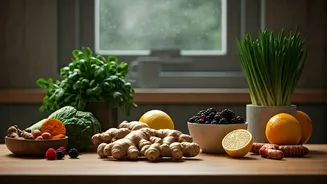
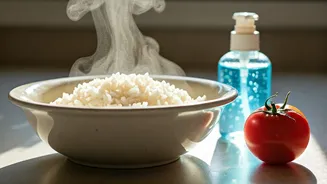
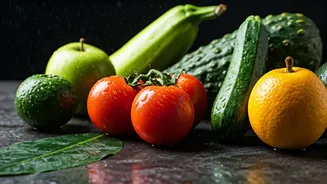
Embracing a seasonal diet is easier than you think. Focus on incorporating local produce that thrives in the rainy season. Good choices include gourds like bottle gourd (lauki), ridge gourd (turai), and bitter gourd (karela), which are light on the stomach and easy to cook. [4, 8] Fruits like pears, jamun, and pomegranates are excellent for boosting immunity with vitamins and antioxidants. [13, 19] Warm, cooked meals should be your go-to. Think comforting bowls of khichdi, hearty vegetable soups, and freshly made rotis. [9, 15] These foods provide sustained energy without taxing your digestive system, which is naturally weaker during this season. [12, 23]
What to Limit or Avoid This Season
Just as important as what you eat is what you avoid. The high humidity and risk of contamination mean certain foods are best limited. Experts widely recommend avoiding or thoroughly cooking leafy green vegetables like spinach and cabbage, as the damp leaves can easily harbour dirt and germs. [4, 5, 10] Raw foods, especially salads and pre-cut fruits, are also best avoided due to a higher risk of bacterial contamination. [5, 7] It's also wise to steer clear of street food and deep-fried snacks, which can be prepared in unhygienic conditions and are hard to digest. [5, 7] Finally, limit cold and raw dairy products like curd, which can sometimes increase phlegm; opt for buttermilk or warm milk instead. [16]
Hydration and Immunity-Boosting Drinks
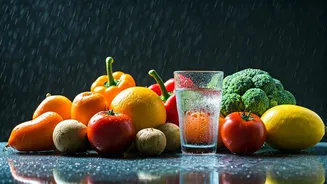
Staying hydrated is crucial, but how you hydrate matters. Instead of cold beverages that can further dampen your digestive fire, opt for warm drinks. [7, 13] Boiled and filtered water is the safest choice to prevent water-borne diseases. [20] Herbal teas are your best friend this season. A simple tea made with ginger, tulsi, and a dash of honey can soothe a sore throat and boost immunity. [17, 23] Warm soups and broths are another excellent way to stay hydrated and nourished. A simple dal shorba or a mixed vegetable soup not only warms you up but also provides essential nutrients in an easily digestible form. [12, 23]