
Re-evaluate Your Food Containers
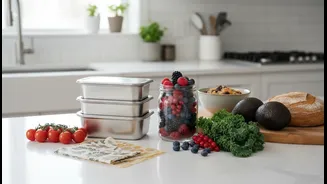
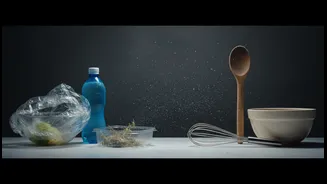
One of the most significant sources of microplastics is heating food in plastic containers. Even if a container is labelled “microwave-safe,” that label only indicates it won’t melt or warp. It does not mean that it won't leach particles into your meal.
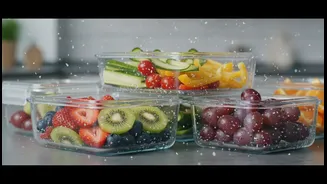
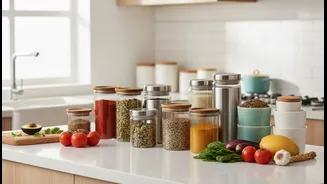
Studies show that microwaving plastic can release millions of microplastic and billions of nanoplastic particles. The effect is more pronounced when moving containers from cold storage, like a refrigerator or freezer, directly to the microwave. The simple fix is to transfer food, especially leftovers, into glass or ceramic dishes before heating. While many glass containers come with plastic lids, avoid letting the lid touch the food during reheating.
Choose Your Cutting Board Wisely
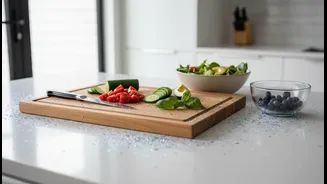
That plastic chopping board you use daily could be shedding microplastics directly into your food. Research has found that chopping on plastic boards, whether they are polyethylene or polypropylene, can generate tens of millions of particles per year. One study estimated this could amount to the equivalent weight of ten credit cards annually. The number of particles released increases as the board becomes worn and scarred from use. The friction from chopping, especially with hard vegetables like carrots, accelerates this process. To minimise this risk, consider switching to a solid wood or bamboo cutting board. If you continue using plastic, replace it as soon as it becomes heavily knife-scarred.
Rethink Your Daily Cup of Tea
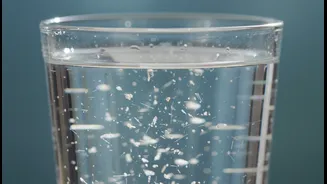
Your calming cup of tea might come with an unwelcome addition. Many modern tea bags, especially the pyramid-shaped or “silky” mesh ones, are made from plastics like nylon or polyethylene terephthalate (PET). When steeped in hot water, these bags can release a staggering number of particles—one 2019 study found a single bag could release approximately 11.6 billion microplastics and 3.1 billion nanoplastics. Even many paper tea bags are not entirely plastic-free; they often contain polypropylene to seal the edges, which also sheds particles when heated. The safest options are to use loose-leaf tea with a metal infuser or to choose brands that explicitly state their bags are 100% plastic-free and biodegradable.
Inspect Your Non-Stick Cookware
Non-stick pans offer convenience, but their coatings can be a source of plastic particles, especially when damaged. These coatings are often made with a type of plastic known as PTFE (polytetrafluoroethylene), sometimes marketed as Teflon. Research has shown that a single surface crack on a non-stick pan can release thousands of plastic particles during cooking. If the coating is significantly compromised, millions of particles could find their way into your food. To be safe, always use wooden or silicone utensils to avoid scratching the surface. If you notice your non-stick pan is flaking or has deep scratches, it is best to replace it. Alternatives like cast iron, stainless steel, and ceramic cookware do not pose this risk.
Consider Your Water Source
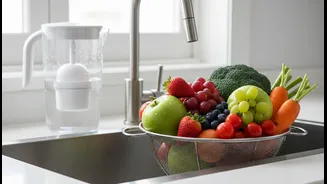
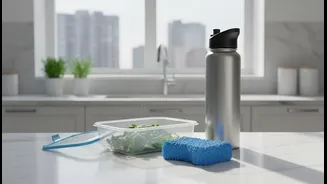
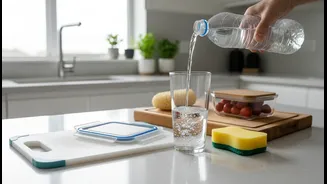
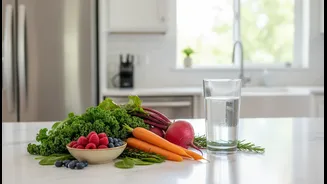
While this extends beyond just a kitchen choice, how you consume water matters. Bottled water has been repeatedly shown to contain high levels of microplastics, originating from both the bottle itself and the cap during opening and closing. Switching to a reliable water filter at home and using glass or stainless steel bottles for on-the-go hydration is a powerful way to reduce plastic ingestion. This applies to other beverages sold in plastic bottles as well. Limiting your reliance on single-use plastics for drinks is a key step in lowering your overall exposure.
Be Mindful of Takeaway and Delivery
The convenience of food delivery often comes in a mountain of single-use plastic. Hot food is frequently packed in plastic containers, creating ideal conditions for microplastic migration, similar to reheating leftovers at home. While you can't always control the packaging used by restaurants, you can make conscious choices. When possible, opt for establishments that use cardboard, paper, or other non-plastic alternatives. When you receive food in a plastic container, transfer it to a ceramic or glass plate immediately rather than eating directly from the plastic, and especially avoid reheating food in it.