


From Daily Staples to Artisanal Bakes
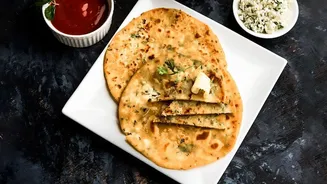
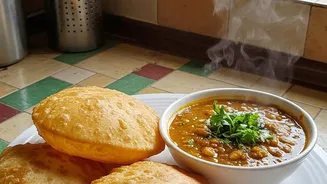
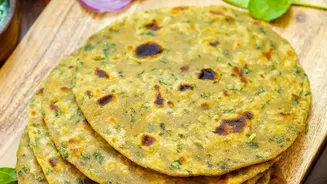
For generations, the Indian bread basket at home has been consistent and comforting, dominated by the daily essentials of roti, chapati, and paratha. These flatbreads, integral to countless meals, are masterpieces of simplicity. However, a noticeable
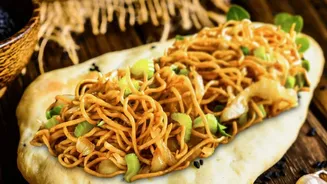
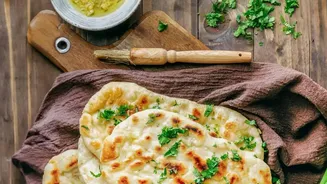
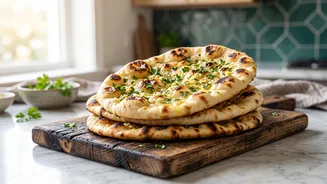
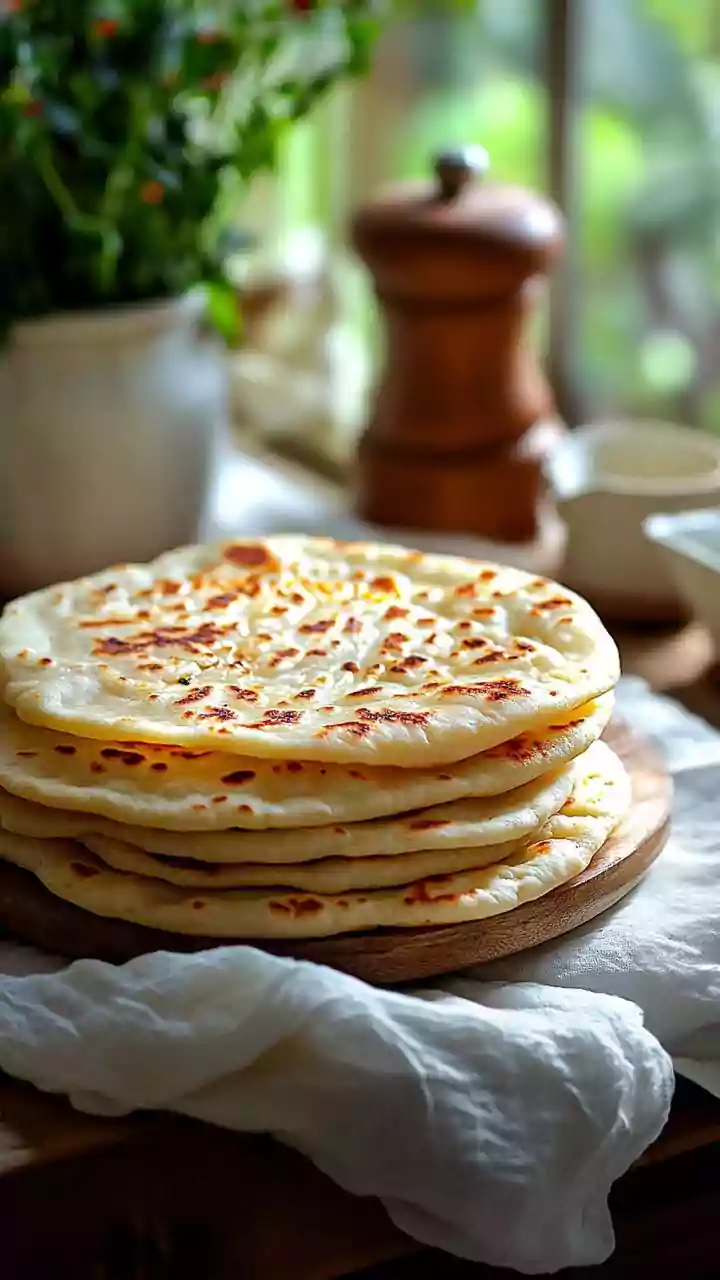
shift is taking place. The modern Indian kitchen is becoming a bakery, producing an impressive variety of breads that were previously the exclusive domain of professional chefs and tandoors. Home cooks are now trying their hand at everything from fluffy, restaurant-style naan and stuffed kulchas to global favourites like Italian focaccia and tangy sourdough. This trend is not just about adding new recipes; it is about expanding the very definition of what 'homemade' bread can be. Urban consumers, in particular, are developing a taste for artisanal quality, valuing the craft and ingredients that go into a loaf.
The Social Media Cookbook
A primary catalyst for this baking boom is the endless scroll of social media. Platforms like Instagram and YouTube have demystified complex culinary techniques, transforming them into accessible, step-by-step video guides. Food bloggers and influencers have become virtual mentors, showing millions that a perfect, pillowy kulcha or a crusty sourdough loaf is achievable without a professional kitchen. Seeing a peer successfully bake a challenging bread provides both the inspiration and the confidence for others to try. Hashtags and food challenges further fuel this movement, creating a vibrant online community where home bakers share their creations, exchange tips, and celebrate their successes. This digital ecosystem has made recipes more accessible than ever, breaking down the barriers between restaurant kitchens and home dining tables.
A Lasting Habit from Lockdown
The roots of this trend can be traced back to the pandemic lockdowns. With more time spent indoors and restaurants closed, many people turned to their kitchens for comfort and creativity. Baking, in particular, emerged as a therapeutic and rewarding hobby. It was during this period that many attempted their first sourdough starter or kneaded their first batch of pizza dough. What started as a way to pass the time has evolved into a lasting passion for many. The experience empowered home cooks, proving that with a little patience and the right instructions, they could replicate restaurant-quality food. This newfound confidence has lingered, encouraging a continued culture of culinary experimentation.
The Quest for Quality and Health
Beyond the joy of creation, this trend is also linked to a growing consciousness around health and wellness. As consumers become more aware of ingredients and preservatives, the appeal of homemade food has grown significantly. Baking bread from scratch offers complete control over what goes into it—no artificial additives, no hidden sugars. The sourdough movement, for example, is driven largely by its perceived health benefits, as the natural fermentation process can make the bread easier to digest. This desire for cleaner, more wholesome food is pushing people to invest time in making staples themselves rather than relying on mass-produced options. The trend also extends to using healthier, native flours like millets, reimagining traditional grains in modern baking formats.
New Tools and Flavours
This baking revolution is supported by the increasing availability of specialized ingredients and equipment. Online stores and local markets now offer a wide variety of flours, yeasts, and baking tools that were once hard to find. From stand mixers to Dutch ovens, the tools for advanced baking are no longer a rarity in Indian homes. Furthermore, home bakers are not just copying Western recipes; they are innovating by infusing them with distinctly Indian flavours. Think of cardamom-spiced buns, sourdough naan, or tea cakes flavoured with masala chai. This creative fusion results in breads that are both globally inspired and deeply rooted in local taste preferences, creating a new and exciting chapter in India's rich culinary story.