



What Does 'Karat' Really Mean?
Before diving into the differences, let's clarify the term 'karat' (often abbreviated as 'K'). Karat is the unit used to measure the purity of gold. The system is based on a scale of 24 parts. If a piece of gold is 24K, it means all 24 out of 24 parts are
pure gold. As the karat number decreases, the percentage of pure gold also decreases, with other metals, known as alloys, making up the rest. This is not to be confused with 'carat' (ct), which is a unit of weight for gemstones like diamonds.
24K Gold: The Purest Form
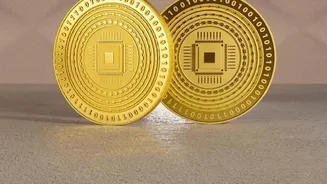
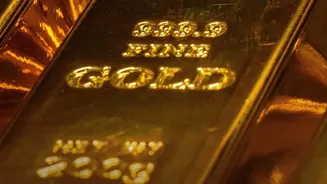
24K gold is the purest gold you can buy, with a purity of 99.9% or higher. It is often referred to by its fineness number, '999'. Because it contains virtually no other metals, 24K gold has a distinct, bright yellow colour. However, this purity comes at a cost beyond price: 24K gold is extremely soft and malleable. This softness makes it prone to scratching, bending, and deforming, rendering it impractical for everyday jewellery. Consequently, 24K gold is primarily used for investment purposes, such as in the form of gold bars, coins, and bullion.
22K Gold: The Jewellery Standard
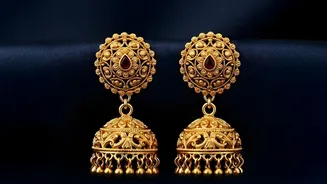
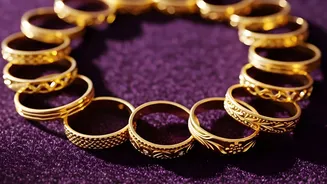
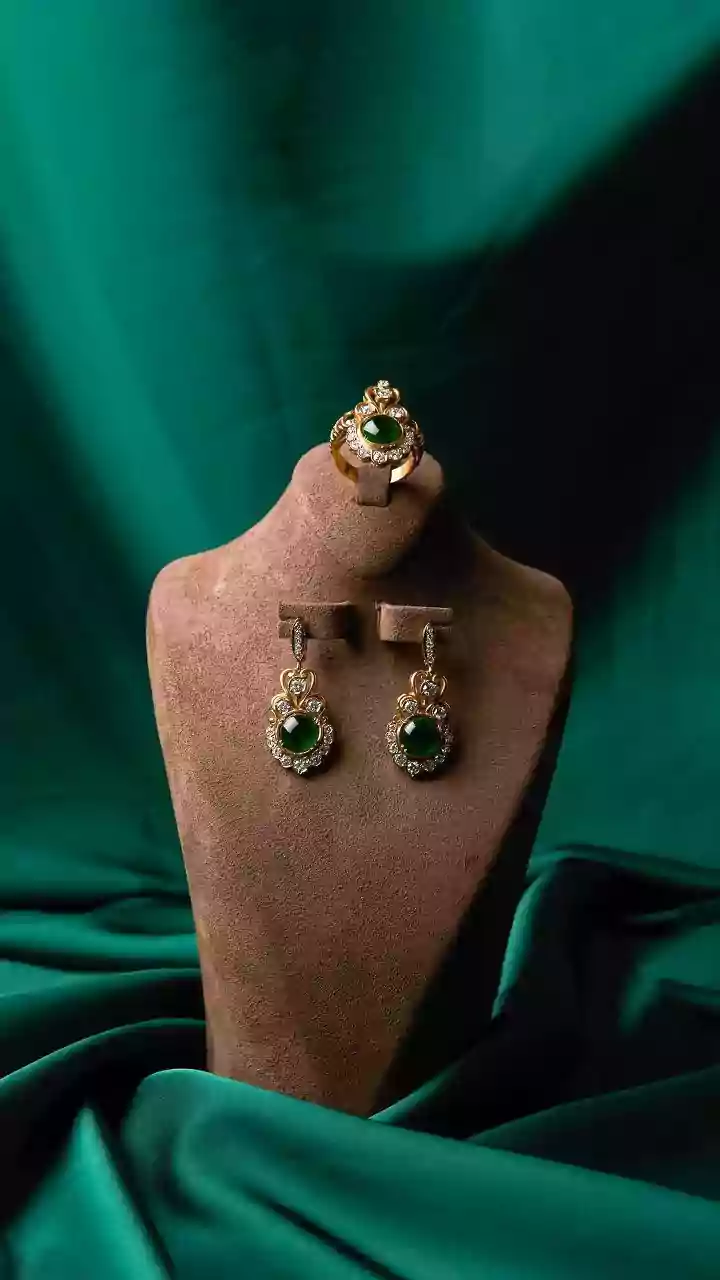
22K gold strikes a popular balance between purity and practicality, especially in India. It consists of 22 parts gold and 2 parts other metals, making it 91.67% pure gold. The remaining 8.33% is a mix of alloys like copper, silver, or zinc, which are added to enhance its strength and durability. This alloy mix makes 22K gold hard enough to be crafted into intricate jewellery designs and to withstand the rigours of daily wear. You'll often see 22K gold stamped with the '916' hallmark, which signifies its 91.6% purity.
Purity vs. Durability: The Main Trade-Off
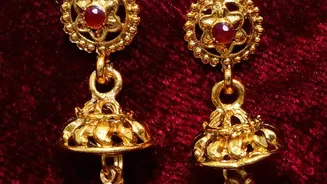
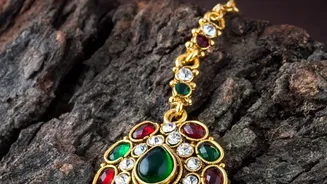
The fundamental difference between 22K and 24K gold is the trade-off between purity and durability. 24K gold offers the highest purity, which means it has the highest intrinsic value per gram. However, its softness makes it a poor choice for ornaments that are meant to be worn regularly. On the other hand, 22K gold sacrifices a small amount of purity for a significant gain in hardness and resilience. The addition of alloys makes it strong enough to hold gemstones securely and maintain its shape over time, which is why it has long been the standard for traditional Indian jewellery like bangles, necklaces, and earrings.
Decoding the Price Difference
Naturally, 24K gold is more expensive per gram than 22K gold simply because it contains more pure gold. The price of gold you see quoted in financial news is typically for 24K pure gold. To calculate the approximate rate for 22K gold, you can take about 91.67% of the 24K rate. However, when buying jewellery, the final cost includes more than just the gold value. Jewellers add 'making charges,' which cover the craftsmanship involved in creating the piece. These charges can vary significantly based on the design's complexity and are added to the price of the 22K gold used.
Investment or Adornment: Which to Choose?
Your choice between 22K and 24K gold should depend entirely on your purpose. If your primary goal is pure investment and long-term wealth preservation, 24K gold in the form of certified bars or coins is the superior option. It is globally recognised for its purity and is easier to trade on commodity markets. If you are buying gold for adornment, such as for a wedding, festival, or daily wear, 22K gold is the practical and traditional choice. It offers the perfect blend of high gold content, durability, and the ability to be crafted into beautiful, lasting designs.
Look for the Hallmark: Ensuring Authenticity
Regardless of which karat you choose, it is crucial to buy hallmarked gold in India. The Bureau of Indian Standards (BIS) provides a certification that guarantees the purity of the metal. Since June 2021, hallmarking is mandatory for gold jewellery sold in India. A modern BIS hallmark consists of three marks: the BIS triangular logo, a mark indicating the purity (e.g., '916' for 22K), and a six-digit alphanumeric Hallmark Unique Identification (HUID) number. You can use the BIS CARE mobile app to verify the HUID and confirm the authenticity of your purchase.