




The Plastic in Our Pipes
It’s a deeply unsettling thought: every glass of water we drink could be contaminated with tiny plastic particles. These microscopic pollutants, known as microplastics, are fragments less than five millimetres long. They break off from larger plastic items,
shed from synthetic clothing, and wash off from cosmetics, eventually finding their way into our rivers, lakes, and even our tap water supply. Studies have shown their widespread presence in water sources across the globe, including in many Indian cities. While research into the long-term health effects is ongoing, experts worry that these particles can accumulate in the body, carry harmful chemicals, and potentially disrupt vital bodily functions. The challenge has been finding a way to remove these minuscule invaders that is both effective and affordable, especially for developing regions.
A Solution from the Paddy Fields
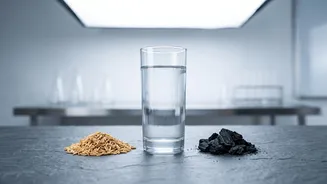
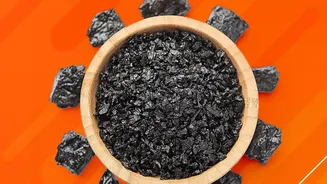
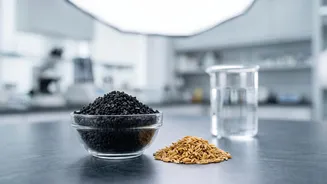
The answer may lie in a material that India has in abundance: rice husks. Every year, millions of tonnes of this agricultural byproduct are generated. Often, this waste is burned or dumped, creating its own environmental problems. But new research shows that these husks can be transformed into a powerful filtration material called bio-char. The process, known as pyrolysis, involves heating the rice husks to high temperatures (often around 600-700°C) in a low-oxygen environment. This doesn't burn the husks but transforms them into a lightweight, black, and highly porous form of carbon. It’s a perfect example of a circular economy, turning a low-value agricultural waste stream into a high-value product that can solve a critical public health problem. This “waste-to-wealth” approach is not just sustainable but also incredibly practical.
How Bio-Char Traps Microplastics
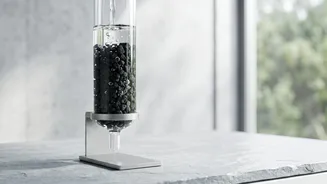
The magic of rice husk bio-char lies in its structure. The pyrolysis process creates a vast network of microscopic pores and a large surface area within each tiny particle of char. When water containing microplastics is passed through a filter made of this material, it acts like a highly effective sieve. The mechanisms are twofold: physical entrapment and adsorption. Larger microplastic particles are physically trapped within the bio-char's intricate, honeycomb-like structure. Smaller particles are caught through adsorption, where they stick to the vast surface of the carbon material due to various chemical and physical forces. Studies have demonstrated astonishing efficiency, with some lab tests showing that bio-char filters can remove over 97% of microplastics from water, including tiny tire-wear particles from stormwater runoff. Some experiments have even achieved removal rates nearing 100%.
Affordable, Sustainable, and Scalable
Compared to other advanced filtration technologies like reverse osmosis or nanofiltration, which can be expensive and require electricity, bio-char offers a remarkably cost-effective alternative. Rice husks are cheap and widely available, dramatically lowering the material cost of the filters. Furthermore, the production process can be scaled to different needs. Simple, gravity-fed bio-char filters could be designed for household or community use in rural areas with no access to electricity. On a larger scale, the material could be used in municipal water treatment plants or to build bio-filters that clean stormwater runoff before it contaminates rivers and lakes. This versatility makes it a promising technology for a country as diverse as India, offering a scalable solution that can be adapted to both urban and rural settings.
The Future of Clean Water
While rice husk bio-char is not yet a product you can buy off the shelf, the research represents a major step forward in the fight against microplastic pollution. Scientists are continuing to refine the production process to optimise the bio-char’s properties for capturing different types of contaminants. The technology is part of a wave of homegrown Indian innovation aimed at solving local problems, much like recent developments using tamarind seeds or specialised hydrogels for water purification. The next steps will involve moving from laboratory tests to real-world pilot projects to confirm its long-term effectiveness and durability. As this technology matures, it holds the potential to provide a decentralized, sustainable, and truly affordable method for ensuring safe drinking water for millions.