


1. The Integrated Feeding Station
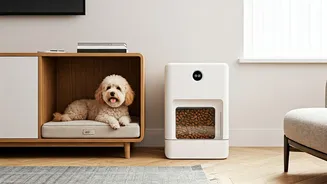
Tripping over food and water bowls is a universal pet owner problem. The smart solution? Integrated feeding stations. These are custom-built nooks, often at the end of a kitchen island or tucked into cabinetry, that house your pet’s bowls. Not only does
this clear up floor space and prevent spills, but it also creates a designated, clean dining area for your furry friend. For older or larger dogs, raising the station off the floor can also aid digestion and reduce strain on their neck and joints. Some designs even include a small, foot-operated tap for easy water refills and a drawer underneath for storing pet food, keeping everything neat and organised in one place.
2. The Cozy Built-in Nook
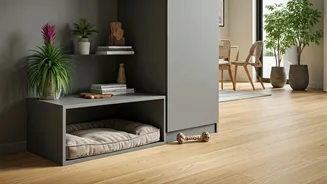
Dogs are den animals and cats love secure, enclosed spaces. Instead of a bulky pet bed taking up living room real estate, designers are now incorporating built-in nooks. Think of an alcove under the stairs transformed into a plush dog den, a custom-built cubby within a bookshelf for a cat to curl up in, or a low window seat with a durable cushion that doubles as your dog's favourite sunbathing spot. These spaces give pets a sense of security and ownership over their territory while seamlessly blending into the home's overall aesthetic. It’s a win-win: your pet gets a safe haven, and you get a stylish, clutter-free home.
3. Pet-Proof and Pet-Friendly Materials
A truly smart pet-friendly home is a durable one. The new focus isn't just on aesthetics but on choosing materials that can withstand the rigours of claws, paws, and the occasional accident. This means swapping delicate fabrics for high-performance ones that are stain-resistant and easy to clean. Think leather, tightly woven microfiber, or outdoor fabrics for upholstery. For flooring, scratch-resistant options like luxury vinyl tile (LVT), laminate, or glazed ceramic tiles are replacing easily damaged hardwood. Even paint is getting smarter, with brands offering washable, low-VOC (Volatile Organic Compounds) formulas that are safer for pets who might lick or sniff walls.
4. Vertical Spaces for Feline Friends
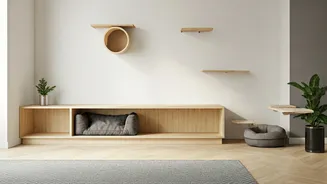
For cat owners, thinking smart means thinking vertically. Cats have a natural instinct to climb, perch, and observe their surroundings from a high vantage point. The old, carpet-covered cat tree is being replaced by more sophisticated 'catios' and wall-mounted furniture. These include floating shelves, bridges, and scratching posts that create a 'cat superhighway' along the walls. This not only satisfies their climbing needs and provides excellent mental and physical stimulation but also maximises floor space in smaller apartments. It's a way to give your indoor cat a rich, engaging environment without sacrificing your decor.
5. Smart Tech Integration
Technology is a huge part of the 'smarter spaces' trend. For busy pet parents, peace of mind is paramount. Pet cameras that allow you to check in, talk to your pet, and even dispense treats remotely are becoming commonplace. Automated feeders ensure your pet is fed on a consistent schedule, even if you’re running late. Smart litter boxes self-clean and can even track a cat's weight and bathroom habits, alerting you to potential health issues. These technologies are being integrated more seamlessly into the home, managed through a single app, making pet care more efficient and less stressful.