




Beyond Butter Chicken and Biryani
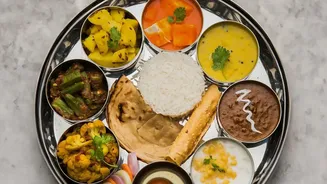
A major shift is happening in the world of Indian food. Diners and chefs are looking past the globally recognized dishes like butter chicken and biryani, which for a long time defined the restaurant experience. There's a growing curiosity and pride in the vast
spectrum of cuisines from India's diverse states and communities. This movement is about celebrating hyper-regional ingredients, forgotten cooking techniques, and the unique culinary stories from places like Nagaland, Himachal Pradesh, and the Konkan coast. Instead of a single, monolithic "Indian cuisine," the focus is now on showcasing the distinct flavours shaped by local agriculture, climate, and culture. This trend is driven by a new generation of chefs acting as culinary archivists, preserving heritage while presenting it with a modern flair.
What Does 'Contemporary' Mean Here?
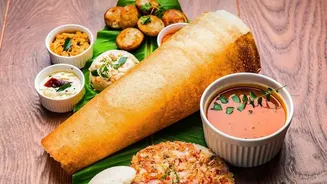
Contemporary Indian dining isn't just about fusion food, like masala-spiced tacos or curry-topped pizzas, though that is one facet of innovation. More fundamentally, it's about reinterpreting traditional recipes with modern techniques and refined presentations. For example, a chef might transform dal dhokli into a sophisticated tagliatelle with kokum dal or reimagine Madurai's street-side Kari dosa as a luxurious small plate with bone marrow hollandaise. The essence of the regional flavour remains, but the form is updated. This can involve using global methods, focusing on visually stunning plating, or simply highlighting a single, high-quality local ingredient in a new way. Chefs at restaurants like Masque in Mumbai and Naar in Himachal Pradesh are celebrated for this approach, creating tasting menus that tell a story about a specific region's terroir.
The Chefs and Restaurants Leading the Charge
Across India and the world, pioneering chefs are putting regional food in the spotlight. Prateek Sadhu, formerly of Masque, now runs Naar, a destination restaurant in Himachal Pradesh focused entirely on Himalayan-forward cuisine, using ingredients like local yak cheese and foraged greens. In Bengaluru, Chef Sombir Choudhary's Kalpaney offers a refined, all-vegetarian take on nostalgic regional foods. Atul Kochhar, the first Indian chef to earn a Michelin star, continues to explore lesser-known dishes, particularly from India's northeastern states, at his London restaurant, Kanishka. Other chefs like Jasleen Marwah are championing forgotten Kashmiri ingredients, while Sneha Saikia hosts pop-ups to showcase the healthy, herb-based cuisine of Assam. These culinary leaders are not just cooking; they are acting as cultural custodians, ensuring the rich tapestry of India's flavours continues to thrive.
A Return to Roots and Forgotten Recipes
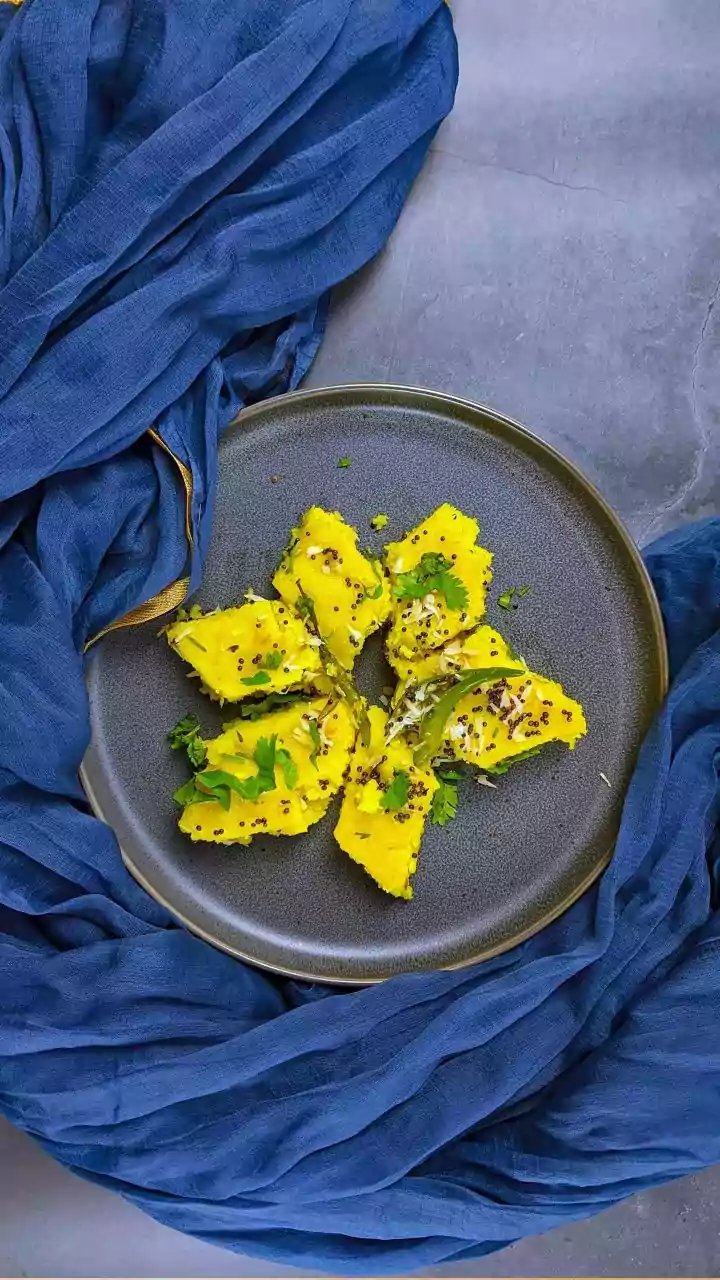
A significant part of this trend involves a race against time to save disappearing dishes. Many chefs are travelling to remote villages, learning from elders, and documenting recipes that were never written down. This has led to the revival of traditional preparations like Pindi Chhole made without tomatoes, Kumaoni black soybean dishes, and royal recipes from the kitchens of maharajas. This is not just about nostalgia; it's about preserving cultural memory, ecological wisdom, and history on a plate. By bringing back forgotten ingredients like mahua flowers from central India or reviving ancient Parsi steaming techniques, chefs are ensuring that culinary progress doesn't require erasing the past. This movement reminds us that sometimes the future of food lies in remembering what once nourished us best.