






Start with a Post-Rain Cleanup
The first step in post-monsoon care is a gentle but thorough cleanup. Weeks of rain can leave behind a mess of fallen leaves, broken branches, and other debris. This organic matter, if left to decay, becomes a breeding ground for fungal diseases and pests
like snails and slugs. Take a walk through your garden and clear away any dead or decaying plant material. Uproot and discard plants that are clearly beyond saving. This not only tidies up the space but also improves air circulation, which is crucial for preventing the fungal infections that thrive in damp conditions. Trim any damaged branches from shrubs and trees, making clean cuts to promote healthy healing.
Revive Your Waterlogged Soil
Constant rain compacts soil and washes away essential nutrients. Perhaps the most critical post-monsoon task is tending to the soil. Waterlogged soil suffocates plant roots, depriving them of oxygen and leading to root rot, one of the most common plant killers during this season. First, ensure all your pots have clear drainage holes. You can elevate pots on bricks or stands to help excess water escape. For garden beds, carefully loosen the top few inches of soil with a small fork or cultivator. This process, called aeration, helps the soil to breathe and dry out. Once the soil is no longer saturated, replenish its lost nutrients by adding a generous layer of well-rotted compost or vermicompost. This organic matter will feed your plants and improve soil structure for the months ahead.
Prune for Healthy New Growth
Many plants experience a wild growth spurt during the monsoon, often resulting in long, leggy stems and an untidy appearance. September is the perfect time for a strategic prune. Trimming back this overgrown foliage does more than just neaten up your garden; it encourages plants to produce fresh, bushy growth for the upcoming cooler season. For flowering plants and shrubs, focus on shaping the plant and removing any weak, yellowing, or crossing branches. This not only improves the plant's appearance but also directs its energy towards producing healthy new shoots and, eventually, more flowers.
Manage Pests and Diseases
The high humidity of the monsoon creates a perfect storm for pests and diseases. Fungal issues like powdery mildew and leaf spot are incredibly common. Be vigilant and inspect your plants regularly for any signs of trouble, such as white powdery coatings on leaves, dark spots, or wilting. Remove any affected leaves immediately to prevent the disease from spreading. A preventive spray of neem oil solution can be an effective organic way to manage common pests like aphids and mealybugs that multiply rapidly in damp weather. Good airflow, achieved through proper pruning and spacing, is your best defence against these unwelcome guests.
Sow the Seeds for Winter
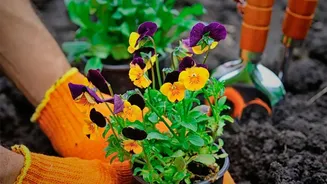
With your garden cleaned up and the soil revived, it's time for the most exciting part: planting for winter. September marks the beginning of the sowing season for a huge variety of cool-season flowers and vegetables in India. For a colourful winter display, sow seeds of Marigold, Petunia, Dianthus, Pansy, and Calendula. These flowers thrive in the mild winter sun and will provide a riot of colour. On the vegetable front, it's the ideal time to plant leafy greens like spinach and coriander, as well as root vegetables like carrots, radishes, and beetroot. Cabbage, peas, and beans are also excellent choices to plant now for a fresh winter harvest.