


The Secret is in the Selection
The single biggest reason for today’s stunning monsoon gardens is a smarter choice of plants. Gardeners are moving beyond delicate species that rot in the rain and embracing flora that thrives in high humidity and wet conditions. Think bold, beautiful,
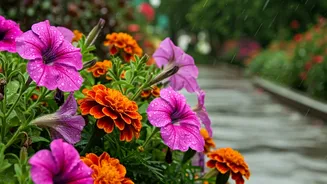
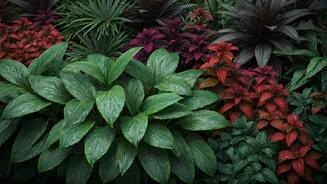
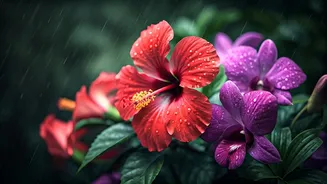
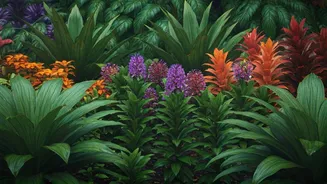
and rain-loving. Flowering plants like Balsam (Impatiens balsamina), with its vibrant jewel-toned flowers, Hibiscus, and Crossandra (firecracker flower) put on their best show during this season. For foliage, Caladiums with their dramatic, heart-shaped leaves in shades of pink, white, and green are a top choice. Other monsoon stars include the fragrant Spider Lily, elegant Plumeria (Champa), and ground-covering Portulaca. By choosing plants that are naturally adapted to the season, gardeners are working with nature, not against it.
Smarter Soil and Superior Drainage
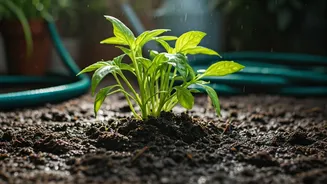
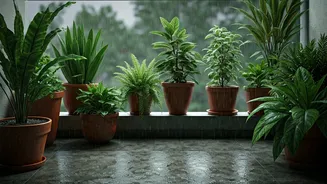
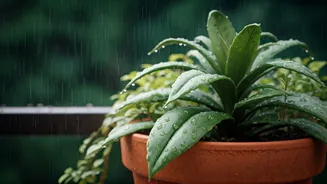
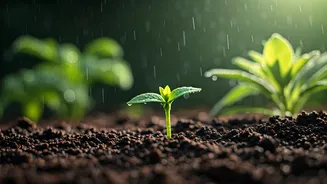
The classic monsoon menace is waterlogging, which suffocates roots and invites fungal disease. Today’s gardeners, however, are armed with better knowledge about soil composition. The key is creating a potting mix that retains moisture but allows excess water to drain away freely. A popular and effective mix combines equal parts garden soil, cocopeat (for moisture retention), and a coarse material like perlite or sand (for drainage). This ensures that while the soil stays damp, the roots are never sitting in stagnant water. For potted plants, ensuring pots have adequate drainage holes is non-negotiable. Many are even adding a layer of gravel or broken pot shards at the bottom before adding soil to create an extra buffer against waterlogging.
Proactive and Organic Pest Control
The damp, humid conditions of the monsoon are a breeding ground for pests like aphids, mealybugs, and slugs, as well as fungal infections like powdery mildew. Instead of waiting for an infestation, gardeners are now adopting a proactive approach. Regular spraying with a simple, organic solution of neem oil mixed with water and a drop of liquid soap is a game-changer. This natural insecticide and fungicide disrupts the life cycle of pests and prevents fungal spores from taking hold. Inspecting plants every few days, especially the undersides of leaves, helps catch problems early. This shift towards gentle, consistent, and organic care keeps plants healthy without resorting to harsh chemicals, contributing to their overall vigour and beauty.
Aesthetic Choices for a Lush Look
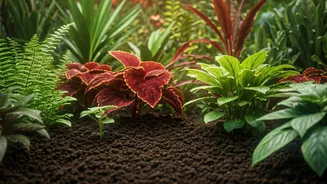
It’s not just about survival; it's about style. Gardeners are embracing the lush, tropical aesthetic that the monsoon naturally encourages. This involves strategic placement and layering. Taller plants like Areca palms or fast-growing climbers like the monsoon-favourite Passion Flower vine are used to create a backdrop. Mid-layer plants with interesting foliage, like Crotons and Coleus, add colour and texture. Finally, flowering annuals and ground cover are used to fill in the gaps, creating a dense, multi-layered look that feels wild and abundant. This intentional design makes gardens feel like a deliberate green sanctuary, not just a random collection of pots.
Pruning and Feeding for Vigorous Growth
The monsoon is a period of explosive growth, and savvy gardeners are harnessing this energy. Light pruning before the rains begin encourages new, healthy shoots. Once the rains start, trimming away any yellowing leaves or weak stems helps direct the plant's energy towards robust growth and prevents the spread of disease. While the rain provides plenty of water, it can also leach nutrients from the soil, especially in pots. To counteract this, gardeners are supplementing with a balanced, slow-release organic fertilizer or a liquid feed like compost tea every two to three weeks. This ensures the plants have all the fuel they need to produce a spectacular display of leaves and flowers.