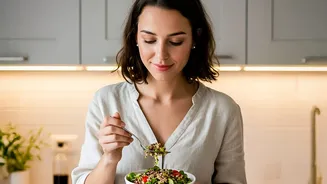


In the fast-paced life of India’s metros, a quiet revolution is simmering. Amidst the buzz of food delivery apps and global cuisines, many families are turning back to their own kitchens, rediscovering the wisdom of traditional cooking.
A Post-Pandemic Health Awakening
The single biggest
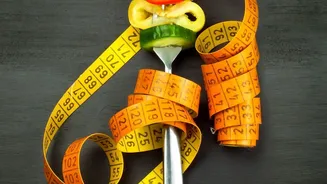
driver behind this shift is a collective move towards wellness. The pandemic served as a powerful reminder of the link between diet and immunity, making families more conscious of what they consume. There's a growing scepticism towards processed items, hidden sugars, and preservatives found in many ready-to-eat meals. This has led to a renewed appreciation for traditional Indian dietary principles, which naturally prioritise fresh, seasonal, and local produce. Concepts like gut health, anti-inflammatory foods, and balanced nutrition, long embedded in Ayurveda and home cooking, are now mainstream wellness goals. Spices like turmeric, ginger, and cumin are no longer just for flavour; they are celebrated for their medicinal properties that boost immunity and aid digestion.
The Resurgence of Ancestral Grains
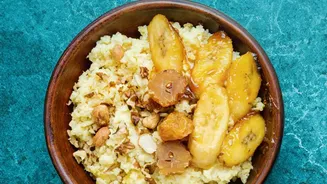
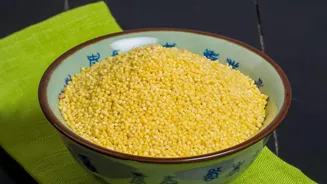
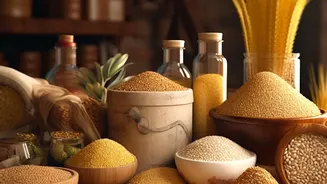
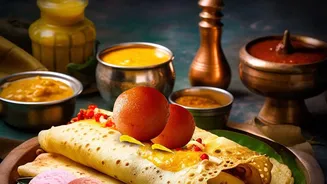
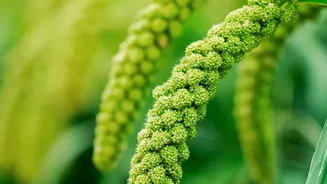
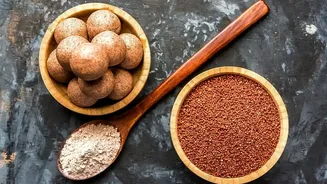
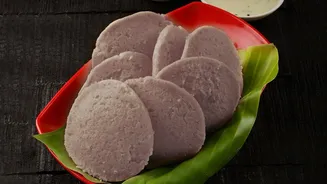
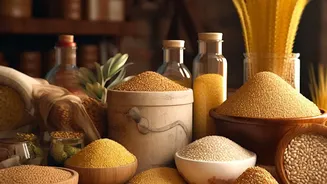
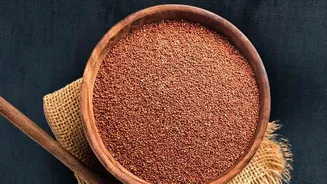
For decades, polished rice and wheat dominated the urban Indian plate. However, ancient grains are making a significant comeback. Following the UN's 'International Year of Millets' in 2023, grains like ragi, jowar, and bajra have shed their reputation as 'poor man's food' and are now hailed as superfoods. Rich in fibre, gluten-free, and packed with nutrients, millets are being integrated into modern diets through everything from dosas to cookies. This revival is not just a health trend but also an effort towards sustainable agriculture, as millets are climate-resilient crops that require less water than rice and wheat. By embracing these grains, families are choosing a diet that is good for their bodies and the planet.
Finding Authenticity and Connection
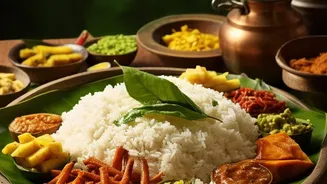
In an increasingly globalised world, there is a deep-seated human need to connect with one's roots. Cooking traditional food has become a powerful way for urban Indians to preserve their cultural identity and pass on heritage to the next generation. For many young adults living away from home, recreating a family recipe is more than just making a meal; it's a way to feel emotionally connected to their loved ones. This 'ghar ka khaana' movement is about finding comfort, belonging, and authenticity in the flavours of childhood. The kitchen has transformed into a space for storytelling, where heirloom recipes are revived and shared, keeping family histories alive one dish at a time.
Modern Tools Meet Ancient Recipes
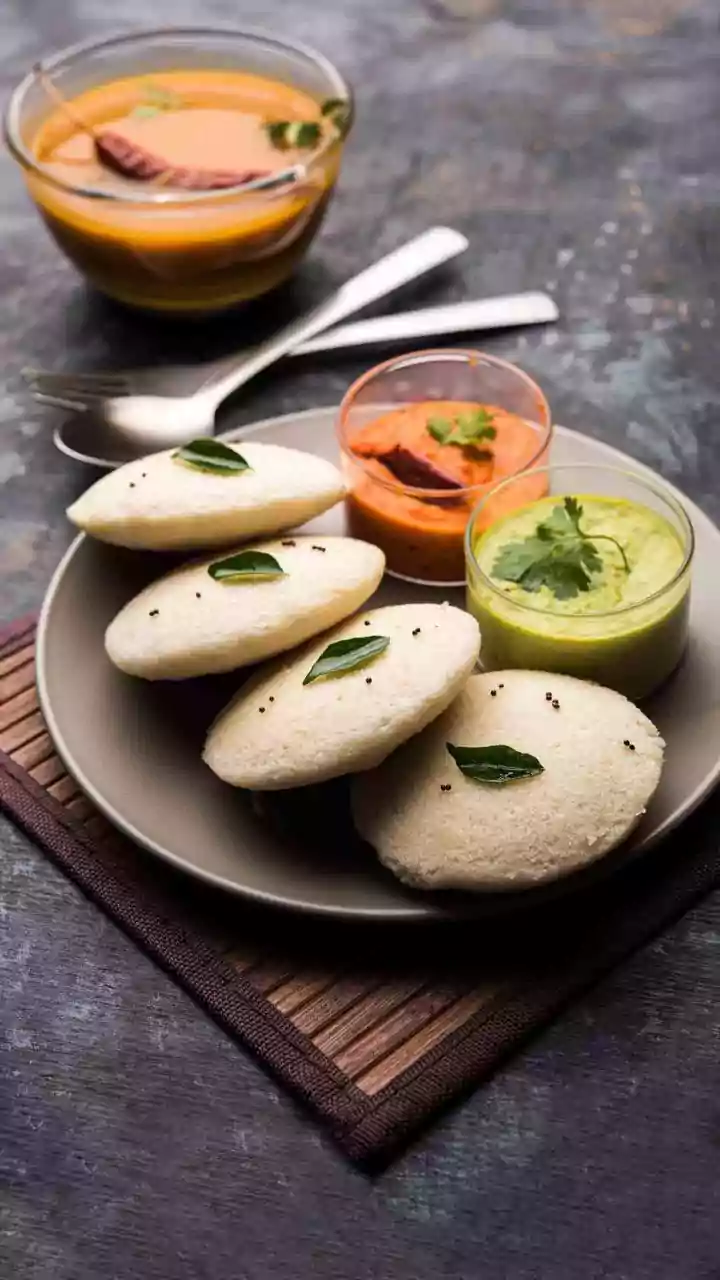
This return to tradition isn't about rejecting modernity. In fact, technology is playing a crucial role in this revival. Social media platforms like Instagram and YouTube have become virtual archives for heirloom recipes and regional cuisines that were once at risk of being forgotten. Food bloggers and home chefs are showcasing the diversity of Indian food, from hyperlocal dishes to complex festive meals, making them accessible to a global audience. These digital tools not only provide step-bystep instructions but also foster a sense of community, allowing people to share their culinary experiments and learn from one another. This blend of old and new allows families to embrace traditional cooking without it feeling like a chore, making it a sustainable lifestyle choice.