






What Exactly is Slow Travel?
At its heart, slow travel is a mindset. It's a conscious decision to move away from rushed itineraries and instead, immerse yourself deeply in a single destination. Inspired by the Slow Food movement, it prioritises connection over checklists. This means
staying longer in fewer places, choosing homestays over hotels, eating local food, and allowing for unplanned moments. It isn't about being lazy; it's about being present and intentional, letting a destination reveal its character at its own pace. Travellers are increasingly seeking this depth, driven by a desire to escape burnout and find more meaningful experiences. The goal is no longer just motion; it's meaning.
The Monsoon: A Perfect Match for Slow Living
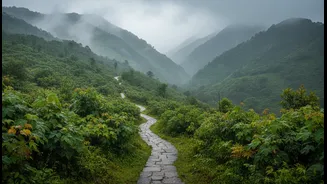
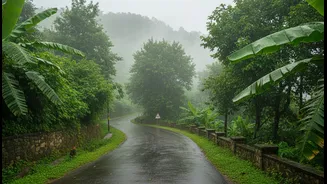
The Indian monsoon naturally encourages a slower pace of life. The rain itself, often coming in dramatic but predictable afternoon showers, creates the perfect excuse to pause. It's a time to sit by a window with a book, savour a hot cup of chai, and simply watch the clouds roll across the hills. Tourist crowds thin out, leading to a more peaceful atmosphere and better deals on stays. The landscape transforms, becoming incredibly lush and vibrant, with waterfalls returning to life and forests turning a brilliant emerald green. This season of renewal is the ideal backdrop for a journey that is less about doing and more about being.
Himalayan Hideaways in Uttarakhand and Himachal
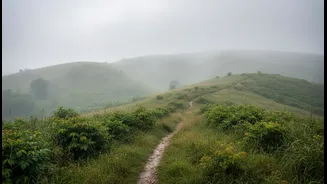
The Himalayas offer countless nooks for the slow traveller. In places like the Kumaon region of Uttarakhand or quieter parts of Himachal like Barot Valley, the monsoon works a special magic. Imagine staying in a restored colonial home or a family-run homestay, where days are structured around leisurely walks through pine forests and enjoying home-cooked regional meals. Destinations like Sitlakhet in Uttarakhand or Lamahatta near Darjeeling are designed for this kind of tourism, focusing on eco-friendly practices and quiet contemplation. It's about waking up to the sound of birds, taking short hikes between rain showers, and reconnecting with nature in a profound way.
The Verdant Western Ghats
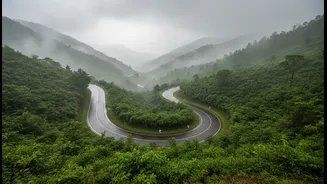
Down south, the Western Ghats become a symphony of green during the monsoon. Destinations like Coorg in Karnataka, Wayanad in Kerala, and Valparai in Tamil Nadu shed their tourist rush and embrace a quieter rhythm. The air hangs heavy with the scent of wet earth and coffee blossoms. This is the perfect setting for slow travel, with opportunities to stay in eco-friendly resorts or homestays nestled within coffee and spice plantations. India's first planned eco-tourism destination, Thenmala in Kerala, is at its best during the rains, offering forest trails and canopy walks. Here, you can learn about organic farming, explore local Kodava culture in Coorg, or simply enjoy the calming sound of rain on a tiled roof.
Misty Mountains of the Northeast
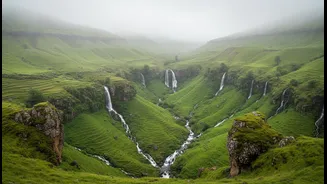
For a truly immersive rainy-season experience, the Northeast is unparalleled. Meghalaya, the 'abode of clouds', lives up to its name, with towns like Shillong and Cherrapunji wrapped in mist. It's a landscape of roaring waterfalls and the famous living root bridges, which look their most vibrant during this season. In Sikkim, India's first fully organic state, you can find historic trekking hubs like Yuksom, where monastery circuits and mountain trails invite quiet exploration. Choosing a homestay here allows you to connect with local Khasi or Sikkimese culture, enjoy authentic cuisine, and experience the powerful, life-giving force of the monsoon in one of the wettest places on earth.