
The Science of Flavour and Health
At its heart, fermentation is a natural transformation where microorganisms like bacteria and yeast break down sugars and starches in food. This process does two wonderful things. First, it creates complex, tangy, and deeply savoury flavour compounds
that are impossible to achieve otherwise. Second, it produces probiotics—beneficial live bacteria that support a healthy digestive system. These 'good' bacteria help balance your gut microbiome, which is crucial for digestion, immunity, and even mood. Fermentation also breaks down anti-nutrients, making minerals like iron and zinc more available for your body to absorb.
Idli & Dosa: The South Indian Power Duo
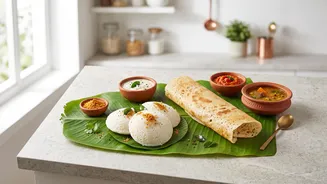
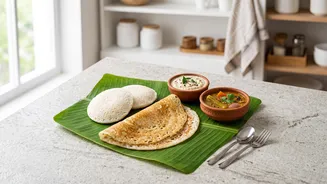
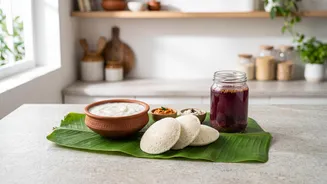
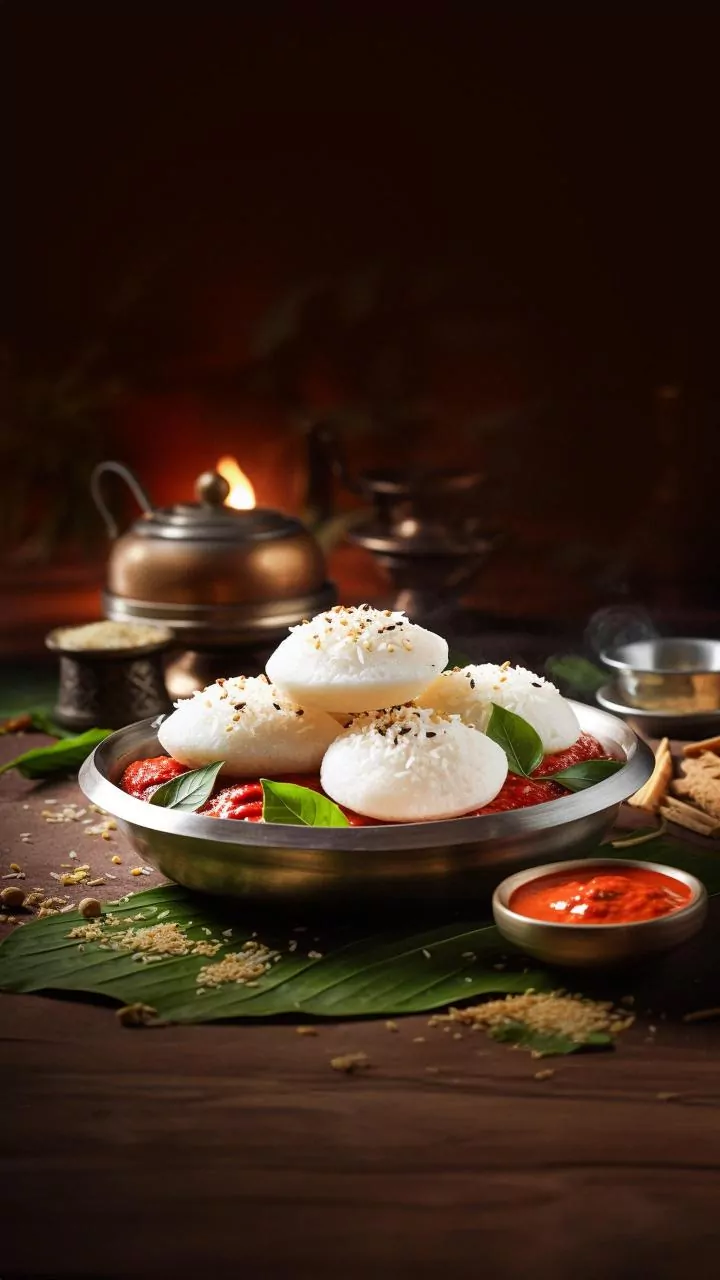
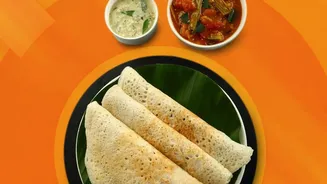
Perhaps the most famous of India's fermented foods, idli and dosa are staples for a reason. The batter, made from a simple mix of rice and urad dal, is left to ferment overnight. This natural process, driven by lactic acid bacteria, is what gives the batter its characteristic sour aroma and causes it to rise. The result is a soft, fluffy idli or a crisp, golden dosa that is not only delicious but also incredibly easy to digest. The fermentation makes the nutrients in the grains more accessible and provides a healthy dose of probiotics, making this classic breakfast a powerhouse of gut-friendly goodness.
Dhokla: The Spongy Gujarati Delight
Hailing from Gujarat, dhokla is a savoury, spongy cake typically made from a fermented batter of gram flour (besan) or a mix of rice and lentils. Traditionally, the batter is fermented for several hours, which allows microorganisms to create a light, airy texture and a pleasant, tangy flavour. This fermentation process not only contributes to its unique taste but also enhances its nutritional profile. While some modern recipes use leavening agents for a quicker rise, the traditional fermented version offers the added benefit of being rich in probiotics, making it a snack that is both flavourful and functional.
Kanji: The Probiotic Drink of the North
Not all fermented foods are meant to be eaten. Kanji is a traditional North Indian drink, especially popular in winter, made by fermenting black carrots or beetroot in water with mustard seeds and salt. Left to sit for a few days, the liquid transforms into a tangy, savoury, and deeply coloured beverage brimming with probiotics. Kanji is celebrated as a digestive aid, helping to balance gut flora and support the immune system. It's a perfect example of how traditional wisdom created a refreshing drink that doubles as a health tonic.
Beyond the Familiar: Regional Treasures
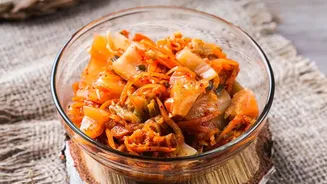
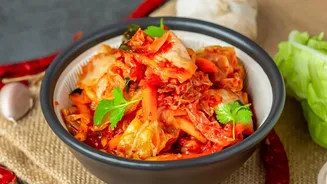
India's diversity is reflected in its vast array of fermented foods, many of which are regional gems. In the Northeast, for instance, you'll find 'gundruk' and 'sinki'. Gundruk is made from fermenting leafy greens like mustard or radish leaves, while sinki is made from radish taproots. These are preserved through fermentation and sun-drying, providing a vital source of nutrition and flavour during lean months. Used in soups and pickles, they have a distinct sour taste and are packed with probiotics. These lesser-known foods highlight the ingenuity of regional Indian cuisine in creating dishes that are both delicious and beneficial.