





Turmeric (Haldi): The Golden Healer
This vibrant yellow spice, a staple in every Indian masala box, is a powerhouse of wellness. Turmeric's main active compound, curcumin, has potent anti-inflammatory and antioxidant properties. During the monsoon, when the body is more susceptible to infections,
incorporating turmeric into your daily diet can help strengthen your immune cells. It's a natural way to combat the pathogens that thrive in the damp weather. For maximum benefit, experts suggest pairing turmeric with a pinch of black pepper, which enhances curcumin absorption. A simple glass of 'haldi doodh' before bed or adding it to your daily curries and dals is an easy, inexpensive way to leverage its benefits.
Ginger (Adrak): The Soothing Digestive
Ginger is another kitchen essential that truly shines during the rainy season. Known for its warming properties, it helps the body cope with the cool, damp climate. It contains gingerol, a compound with anti-inflammatory traits that can soothe a sore throat and clear congestion, common complaints during this time. More importantly, monsoon can often make our digestion sluggish. Ginger stimulates digestive enzymes, helping to prevent bloating and indigestion. A warm cup of ginger tea is a classic monsoon comfort, but you can also grate it into soups and stir-fries to easily make it part of your meals.
Garlic (Lehsun): The Immunity Powerhouse
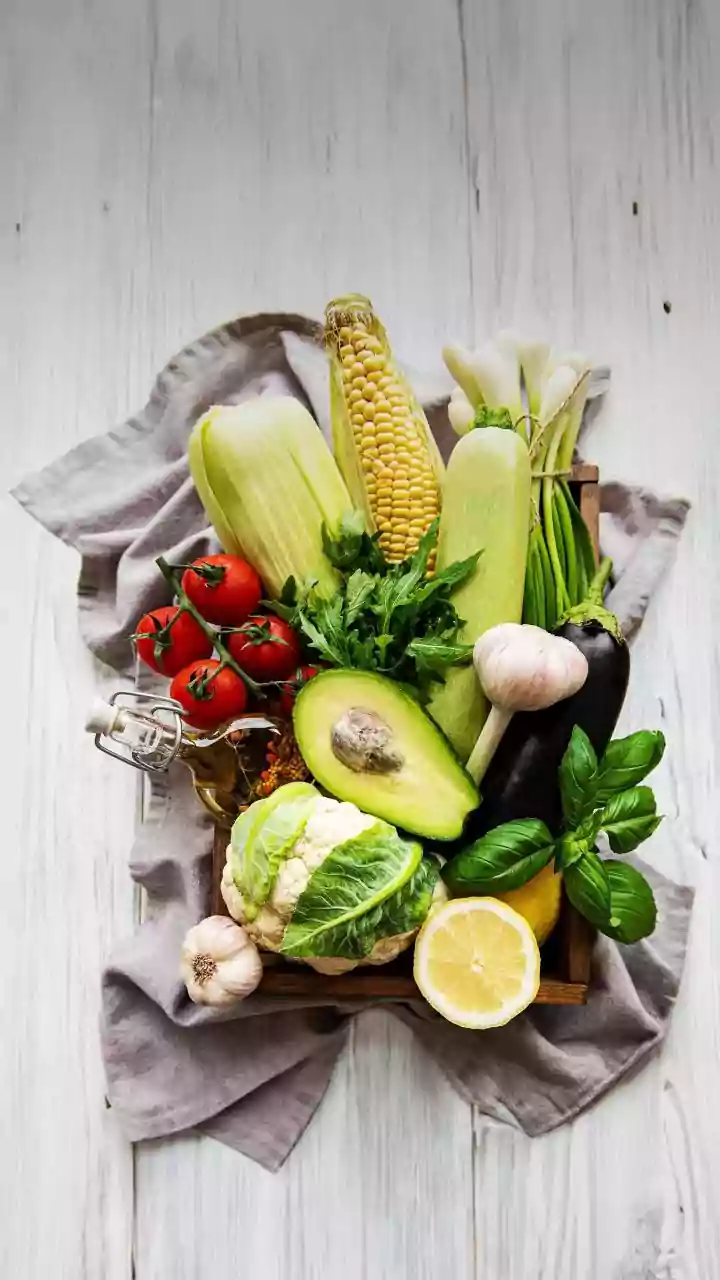
Don't underestimate the small cloves of garlic. It is highly valued for its natural antibacterial and antiviral properties. The key compound, allicin, is released when garlic is crushed or chopped and is known to boost the immune response of white blood cells against viruses like the flu. This makes it a formidable ally in your fight against seasonal colds and infections. Including garlic in your daily cooking, from the tadka for your dal to flavouring vegetable dishes, is a simple and cost-effective strategy to fortify your body's natural defences.
Yogurt (Dahi): The Gut Guardian
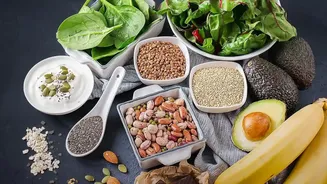
Gut health is directly linked to overall immunity, and the monsoon is a time when digestive systems can be particularly vulnerable. Fresh, homemade yogurt is an excellent source of probiotics—beneficial bacteria that help maintain a healthy balance in your gut. A healthy gut microbiome is better equipped to fight off pathogens and absorb nutrients efficiently. Including a bowl of fresh curd with your lunch can aid digestion and strengthen your internal defence system. It’s also a great source of protein, which is essential for muscle repair and recovery.
Lentils and Pulses (Dal): The Protein Pack
During the monsoon, it's often advised to opt for light, easily digestible meals. Lentils and pulses, like moong dal, fit this requirement perfectly. They are excellent sources of plant-based protein and fibre, which help build immunity without putting a heavy load on your digestive system. A simple dal or a comforting bowl of khichdi can be both nutritious and soothing for the gut. These pantry staples are not only affordable but also incredibly versatile, forming the backbone of a healthy monsoon diet across India.
Seasonal Fruits: Nature's Vitamins
Embracing seasonal fruits is a delicious way to get a dose of essential vitamins and antioxidants. Monsoon brings fruits like jamun, pears, plums, and pomegranates. Jamun is rich in iron and vitamin C, while pomegranates are packed with antioxidants that protect cells from damage. Fruits like lemons and amla (Indian gooseberry) are exceptional sources of Vitamin C, a crucial nutrient for a strong immune system. Opting for whole, seasonal fruits instead of pre-cut ones from vendors ensures freshness and reduces the risk of contamination.