





Beyond the Layover
The perception of the Gulf is rapidly changing. For decades, cities like Dubai, Doha, and Abu Dhabi were seen by many Indian travelers primarily as gleaming transit hubs—a place for a quick stopover en route to Europe or the Americas. That chapter is closing.
Today, these cities and their neighbours are asserting themselves as premier destinations in their own right, especially for the short-haul holiday. Five of the top ten overseas destinations for Indian travelers in 2025 were in the Gulf, a testament to this evolving preference. This isn't just about convenience; it's a deliberate, multi-billion dollar pivot by Gulf nations to capture the world's fastest-growing tourism market: India.
A Deliberate Welcome
This shift is no accident. Gulf countries, particularly Saudi Arabia and the UAE, are aggressively diversifying their economies away from oil, with tourism as a central pillar. Saudi Arabia's Vision 2030, for example, aims to attract 7.5 million Indian visitors annually by 2030. To achieve this, these nations are rolling out a red carpet of simplified visa policies, including e-visas and an ambitious Schengen-style unified visa for all six GCC countries that has begun its rollout. This move drastically reduces the friction of planning a multi-country trip. This is complemented by a constant stream of new hotels, resorts, and world-class attractions designed to keep visitors coming back.
Unbeatable Connectivity and Value
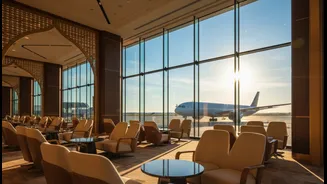
Logistically, the Gulf is an easy choice. Flights from major Indian cities like Mumbai, Delhi, and Kochi to the Gulf are often shorter and more frequent than to many Southeast Asian capitals. Dozens of daily flights, including new direct routes from smaller Indian cities like Guwahati, mean greater flexibility and often, more competitive fares. While Southeast Asia still offers great value, Gulf nations are competing fiercely with attractive packages, especially during shoulder seasons. The sheer density of flight options on carriers like Emirates, Etihad, and Air India Express makes a spontaneous weekend trip a genuine possibility.
A New World of Attractions
The appeal of the Gulf now extends far beyond shopping malls and luxury hotels. While those still exist, the new draw is a stunningly diverse portfolio of experiences. Saudi Arabia is opening up historical treasures like AlUla and building futuristic entertainment cities like Qiddiya, which will host the world's fastest roller coaster. Qatar, leveraging its post-World Cup infrastructure, has become a hub for major sporting events and concerts. Ras Al Khaimah and Oman offer rugged natural beauty, from mountains to wadis, for adventure seekers. From the Red Sea Museum in Jeddah to the Six Flags in Qiddiya, the region is offering new, large-scale attractions that provide a compelling alternative to a beach holiday.
Cultural Comfort and Familiarity
For many Indian travelers, the Gulf offers an international experience without a major culture shock. The large and well-established Indian diaspora in the region means a sense of familiarity and comfort. The wide availability of Indian cuisine, the prevalence of English, and a general understanding of Indian cultural norms make it an easy destination for families, older travelers, and first-time international flyers. This blend of the new and the familiar is a powerful combination, creating an environment where visitors can feel both adventurous and at ease. It's this unique mix of hyper-modernity and cultural accessibility that is cementing the Gulf's new status as India's go-to short-haul destination.