





The Fabric and The Fashion Show
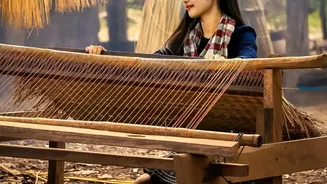
Every year, National Handloom Day reminds us of India’s incredible legacy of weaving. It’s a day to celebrate the intricate beauty of Banarasi silks and Pochampally ikats, a tradition deeply woven into our national identity since the Swadeshi Movement
of 1905. In recent years, this celebration has found a powerful ally in fashion. Designers showcase handloom on runways, influencers champion it on Instagram, and urban consumers embrace it as a sustainable, chic choice. This is all positive, bringing welcome attention to a vital craft. Yet, this focus on handloom as a product—a trend, a textile, a hashtag—often obscures the most critical part of the story: the people. The day is meant to honour the weavers, yet the conversation often stops at the weave.
A Workforce in Distress
The headline's figure of a 35-lakh-strong workforce is not an exaggeration. The fourth All-India Handloom Census confirmed the sector employs about 3.5 million people, making it the second-largest rural employer after agriculture. However, the economic reality for this massive workforce is grim. A 2026 study covering five states found the average monthly earning for handloom and handicraft artisans was a mere ₹7,000. Other reports suggest daily wages can be as low as ₹200-₹250 for intensely laborious work. Many weavers earn less than the minimum wage stipulated under MNREGA, with some reports citing that over 67% of weavers earn less than ₹5,000 a month. These are not just statistics; they represent a crisis of livelihood for millions of families, pushing the younger generation away from a craft that can no longer promise a sustainable future.
Unravelling the Systemic Knots
The weavers' struggles are not due to a lack of skill, but systemic failures. Competition from power looms, which can produce replicas at a fraction of the cost and time, has flooded the market and made it difficult for authentic handloom products to compete. Many consumers cannot tell the difference, and some sellers unscrupulously pass off machine-made textiles as handwoven. Furthermore, weavers are often at the mercy of middlemen for access to raw materials like yarn and for selling their finished products, squeezing their already thin margins. While numerous government schemes like the National Handloom Development Programme and the Weaver MUDRA Scheme exist to provide financial aid, raw material support, and market access, their benefits do not always reach the most vulnerable artisans. Issues like inadequate infrastructure, lack of direct market linkages, and the rising cost of raw materials remain persistent challenges.
Redefining Support Beyond the Sale
If we are to truly honour the spirit of National Handloom Day, our engagement must evolve. Appreciating the beauty of a handwoven saree is the first step, not the last. True support means questioning the price we pay and understanding what portion of it reaches the person who spent days at the loom. It means demanding transparency in supply chains and supporting brands and cooperatives that ensure fair wages. The concept of sustainability in handloom cannot just be about natural fibres and dyes; it must be centred on sustainable livelihoods. The artisan's well-being is the most crucial thread in the fabric. When we choose to buy handloom, we are not just purchasing a product; we are participating in an economic ecosystem. Our choice can either perpetuate a cycle of exploitation or help build a more equitable future.