



Pudina: The Cool, Aromatic Lifter
Mint, known as 'pudina' in Hindi, is much more than a simple garnish in the landscape of Indian cuisine. Its primary characteristic is a refreshing, cool sweetness that provides a vibrant counterpoint to rich and spicy flavours. The active compound, menthol,
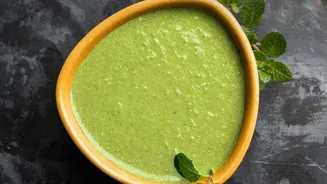
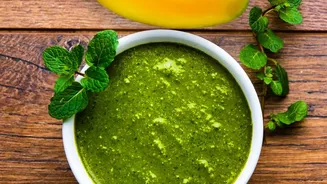
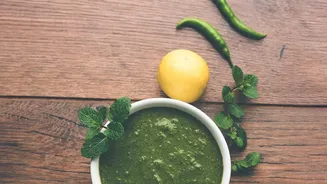
is responsible for this cooling sensation, which can soothe the palate and cut through the delicious heaviness of some curries and fried snacks. In India, mint is a workhorse, starring in everything from the indispensable pudina chutney served with samosas and kebabs to cooling raitas (yogurt dips) that accompany fiery biryanis. Its aromatic qualities are prized for their ability to add a layer of freshness that doesn't just sit on top but integrates into the dish, lifting all the other flavours around it.
Jeera: The Warm, Earthy Foundation
If mint is the cool top note, cumin, or 'jeera', is the warm, resonant base. Cumin possesses a unique flavour profile that is nutty, pungent, and deeply savoury. It’s one of the most fundamental spices in Indian cooking, used both as whole seeds and as a ground powder. Whole cumin seeds are often the first thing to hit hot oil in a process called 'tadka' or tempering. As they crackle, they release their essential oils, infusing the entire dish with a foundational aromatic warmth. Roasted and ground cumin powder, on the other hand, offers a smokier, more intense earthiness that is a key component of countless spice blends, including the famous garam masala. This spice is a digestive aid in traditional Ayurvedic practices, celebrated for its grounding properties.
A Perfect Balance of Opposites
The magic of pairing mint and cumin lies in the principle of contrasting flavours. Food science shows that combining ingredients with opposing profiles can create a more complex and satisfying taste experience. Mint's bright, cooling 'herbal' notes are a perfect foil for cumin's deep, 'earthy' warmth. Think of it as a culinary balancing act: the cumin provides a savoury depth that prevents the mint from tasting too much like a confection, while the mint’s freshness cuts through cumin’s pungent earthiness, preventing it from becoming overpowering. This dynamic creates a flavour profile that is simultaneously refreshing and grounding, making it exceptionally versatile in a cuisine known for its bold and layered spices. This pairing stimulates different senses, keeping the palate engaged and intrigued.
In Practice: Iconic Pudina-Jeera Dishes
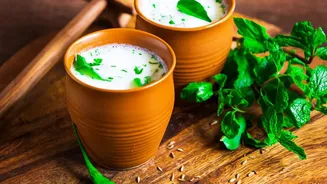
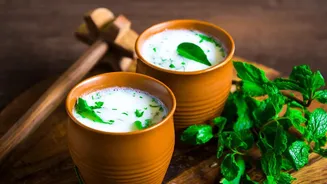
This pairing isn’t just theoretical; it’s the heart of many beloved Indian staples. The most famous is perhaps 'Jaljeera' or 'Pudina Jeera Pani', a refreshing summer drink where mint paste, roasted cumin powder, and lemon juice create a tangy, spiced cooler that’s both delicious and aids digestion. Another classic is mint-cumin raita, a simple yogurt dip where whisked curd is seasoned with mint paste and roasted cumin powder, serving as the perfect cooling accompaniment to spicy main courses. You’ll also find the duo working together in marinades for paneer or chicken, where the mint tenderises and the cumin adds a savoury crust. In 'Pudina Jeera Aloo', boiled potatoes are tossed in a vibrant paste of mint, chillies, and spices, with cumin leading the tempering.
Recipe Focus: Simple Mint & Cumin Pulao
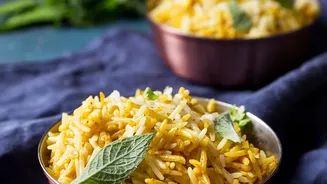
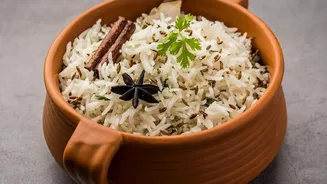
A 'Pudina Pulao' is a fantastic way to experience how these two flavours can transform a simple rice dish. To make it, start by making a paste of fresh mint leaves, a little coriander, green chillies, and ginger. In a pot, heat ghee or oil and temper whole spices, including a teaspoon of cumin seeds. Once the cumin crackles, sauté some sliced onions until golden. Add the mint paste and cook for a few minutes until fragrant. Next, add soaked basmati rice and twice the amount of water. Season with salt and a pinch of garam masala. Cover and cook until the rice is fluffy and has absorbed all the aromatic goodness. The resulting dish is light, fragrant, and a testament to the power of this simple pairing, perfect with a side of raita.