




What Exactly Is a Warung?
Forget fancy restaurants with inflated tourist prices. A 'warung' is a small, family-owned business, typically an eatery or cafe, that forms the backbone of daily life in Indonesia. These are not polished establishments designed to impress tourists; they
are simple, often open-air spots with plastic chairs and handwritten menus, created to feed the local community. Run by families for generations, they offer a direct line to authentic, home-cooked Indonesian cuisine. While some modern cafes in tourist hubs like Canggu and Seminyak use 'warung' in their name, the real deal is unpretentious, cash-only, and focused entirely on flavour. Visiting one is about more than just a meal; it’s an unfiltered cultural experience.
A Menu of Must-Try Dishes
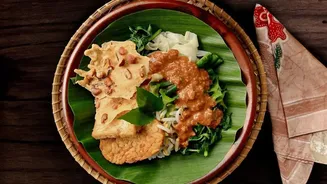
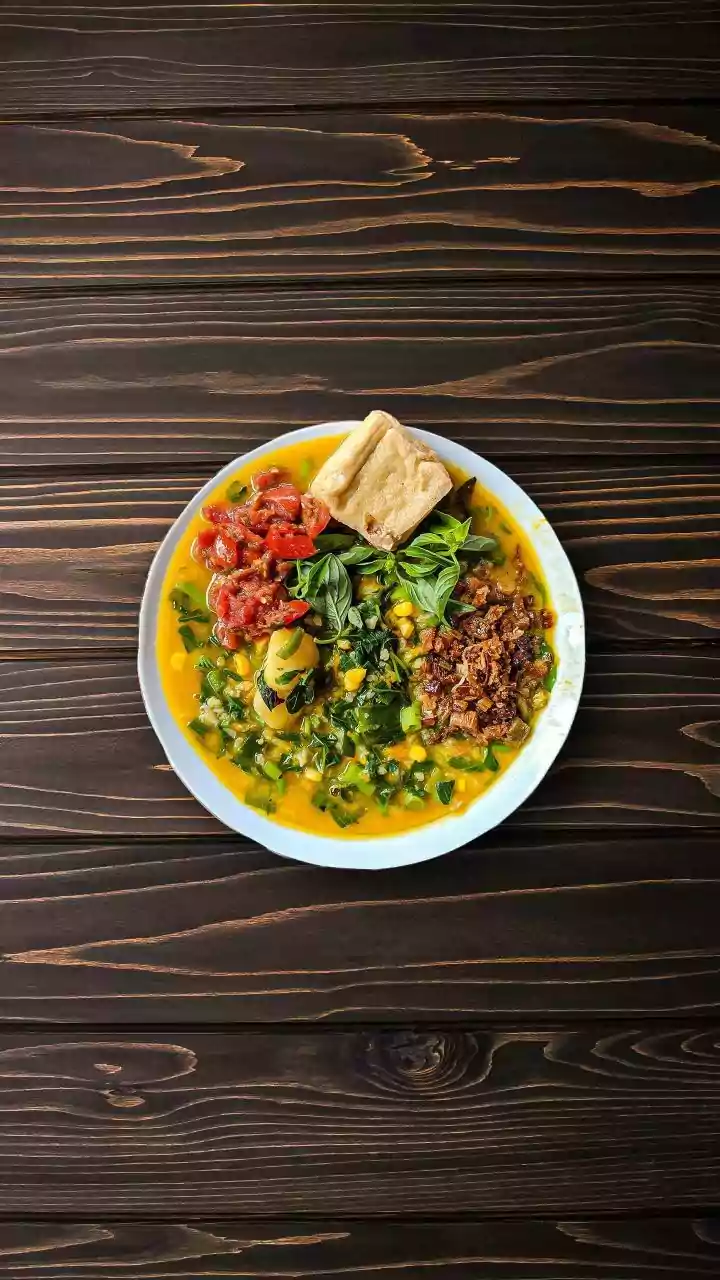
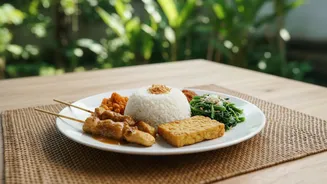
The menu at a warung is a delicious tour of Indonesia's culinary highlights. The most common and best-value dish is 'Nasi Campur', or mixed rice. You start with a scoop of rice and then point to a variety of pre-cooked dishes displayed in a glass case—meats, vegetables, tofu, tempeh, and more. Other staples you cannot miss include 'Nasi Goreng' (Indonesian fried rice), 'Mie Goreng' (fried noodles), and 'Sate Ayam' (chicken skewers with peanut sauce). For vegetarians, options like 'Gado-Gado' (vegetable salad with peanut sauce) and various tempeh dishes are widely available and delicious. To drink, an 'Es Teh' (iced tea) or a fresh fruit juice ('jus') is the perfect way to cool down.
The Astonishing Price Difference
This is where warungs truly shine for budget travellers. A filling, delicious meal at a local warung can cost between 15,000 and 50,000 Indonesian Rupiah (IDR). That’s roughly ₹85 to ₹285 for a complete plate of food like Nasi Campur. A simple Nasi Goreng can be as cheap as IDR 20,000 (about ₹115). Compare this to a mid-range tourist restaurant where a main course can easily cost IDR 80,000 to IDR 200,000 (₹450 to ₹1,150) or more. The price gap between eating at a warung versus a tourist-focused cafe can be three to five times for essentially the same dish, and the local version is often more authentic and flavourful. By eating just two meals a day at warungs, you could spend as little as ₹250-₹400 on food, freeing up your budget for other activities.
How to Find the Best and Safest Warungs
For first-timers, choosing a warung can feel intimidating, but a few simple rules make it easy and safe. The golden rule is to pick a place that is busy with locals. A steady stream of customers, including office workers or ride-hailing drivers, means the food is fresh, trusted, and hasn't been sitting out for hours in the Bali heat. Many travellers eat at warungs daily without any issues. If you are concerned, stick to freshly cooked hot dishes and avoid raw salads or ice unless you can confirm it's made from filtered water. Don’t be deterred by a simple appearance; the warungs with plastic stools and no-frills decor often serve the most memorable meals.
More Than Just Savings
While the budget-friendly aspect is a major draw, choosing to eat at warungs offers rewards beyond your wallet. It's a direct way to support local families and the community, rather than international chains or expatriate-owned businesses. It provides an authentic window into Balinese life, offering one of the few settings where tourists and locals still eat side-by-side. You get to taste recipes passed down through generations, with flavours that haven't been diluted for foreign palates. Skipping the warung experience means missing out on the true heart and soul of the island's culture.