




An Ancient Practice Goes Viral
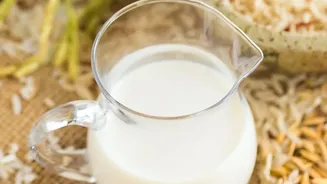
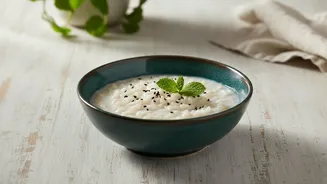
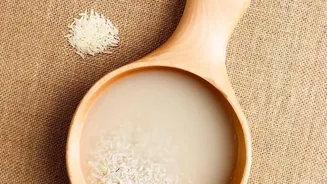
At its core, fermented rice water is simply the starchy liquid left over after soaking rice, which is then allowed to sit and ferment for a day or two. This isn't a new discovery; women in China, Japan, and Southeast Asia have used it for centuries as a treatment
for hair and skin. The most famous example is the Yao women of China, renowned for their exceptionally long, healthy hair, which they traditionally wash with fermented rice water. The recent surge in popularity is driven by a broader wellness trend that favors natural, DIY, and cost-effective solutions, making this age-old practice a perfect fit for today's content creators.
The Ultimate Hair Rinse?
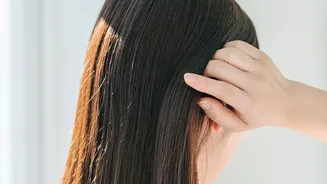
The most common claims revolve around hair health. Proponents believe that rice water strengthens strands, enhances shine, reduces frizz, and even promotes growth. The fermentation process is thought to be key, as it lowers the water's pH to be more compatible with hair's natural acidity and enriches it with nutrients. This process increases the concentration of beneficial compounds like inositol, a carbohydrate that can penetrate and repair damaged hair, and amino acids, the building blocks of protein. The result is said to be stronger, smoother, and more elastic hair.
Beyond Hair: Skin and Gut Claims
The benefits aren't just for hair. Some wellness advocates use fermented rice water as a facial toner, claiming it can tighten pores, brighten the complexion, and soothe irritated skin. Studies have suggested that fermented rice water (sometimes called rice wine) may have antioxidant properties that help protect skin from sun damage and boost collagen production. A more recent angle in the trend is the consumption of fermented rice water for gut health. In many cultures, this liquid is seen as a natural probiotic that can aid digestion and support a healthy gut microbiome.
What Do The Experts Say?
While anecdotal evidence is plentiful, robust scientific studies on fermented rice water are limited. Dermatologists acknowledge the presence of vitamins and minerals like B vitamins, vitamin E, and antioxidants. However, they also caution that there is little clinical proof to support many of the grander claims, especially regarding hair growth. Some experts note that while compounds like inositol can help reduce breakage, they do not speed up growth from the root. The general consensus is that while it is a low-risk treatment for many, it's not a miracle cure.
Potential Risks to Consider
Despite being a natural product, fermented rice water isn't without potential downsides. For hair, overuse can lead to 'protein overload,' making strands stiff, dry, and brittle. The starchy liquid can also cause buildup on the scalp, leading to flakiness or itchiness. Improperly prepared or stored fermented rice water can harbor bacteria, which may irritate the skin. Using a batch that is too acidic (over-fermented) can also cause irritation. Experts recommend diluting the mixture and using it no more than once or twice a week.
A Simple DIY Method to Try Safely
If you want to try it yourself, the process is simple. Start by rinsing half a cup of uncooked rice with water. Then, soak the rinsed rice in two to three cups of water for at least 30 minutes. Strain the cloudy water into a clean jar, cover it loosely, and let it sit at room temperature for 24 to 48 hours. When it develops a slightly sour smell, the fermentation is complete. For use as a hair rinse, always dilute the fermented water with plain water before applying. Pour it over your hair after shampooing, let it sit for 10-20 minutes, and then rinse thoroughly, following up with a conditioner.