


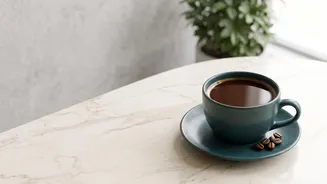
From a Caffeine Kick to a Craft Experience
The humble coffee break is undergoing a sophisticated transformation across India's urban landscape. For generations, coffee was primarily about function: a quick, convenient jolt of caffeine from a spoonful of instant powder. But for a growing number
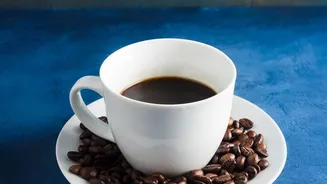
of young, urban professionals and students, that is no longer enough. They are now seeking an experience, not just a beverage. This shift is driven by curiosity and a desire for quality over pure convenience. Instead of a generic, mass-produced taste, they are exploring the complex world of specialty coffee, where every cup tells a story about its origin, processing, and brewing method. This movement mirrors a larger cultural trend toward mindful consumption and an appreciation for craftsmanship.
Decoding the Coffee Lingo
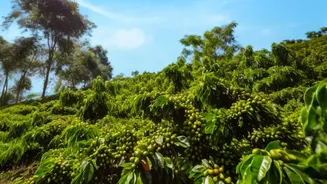
So, what exactly is a “single-origin” coffee? Unlike blends, which mix beans from various places, single-origin coffee comes from a specific farm, estate, or region. This traceability is central to the 'third wave' coffee movement, which treats coffee like an artisanal product such as wine or fine chocolate. It's about celebrating the unique flavour profile—or 'terroir'—that the soil, climate, and altitude of a particular place impart to the beans. India, as one of the world's top coffee producers, offers a diverse palette of these flavours. Beans from Chikmagalur in Karnataka might offer smooth, chocolatey notes, while those from the Araku Valley can be more fruity and acidic. This focus on origin allows consumers to connect directly with the estates and the farmers behind their brew.
The 'Third Wave' Arrives in India
This coffee revolution is part of a global phenomenon known as the 'third wave'. The first wave was the popularization of instant coffee for its convenience. The second wave saw the rise of café chains like Starbucks, which turned coffee into a social experience with espresso-based drinks. The third wave, which has now firmly taken root in Indian metros, is about treating coffee as a craft. Chains like Blue Tokai and Third Wave Coffee, alongside countless independent roasters, have been pivotal. They have not only introduced high-quality Indian beans—which were once mostly exported—to the domestic market but have also educated a new generation of drinkers. Cafes have become classrooms where baristas explain manual brewing methods like pour-overs and the AeroPress, turning a simple coffee run into a lesson in flavour extraction.
A Lifestyle Statement in a Cup
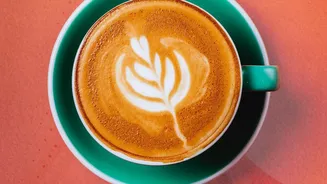
For Millennials and Gen Z, who make up a significant portion of specialty coffee consumers, the choice of brew is an expression of identity. It’s about more than just taste; it’s about the entire aesthetic and the story behind the cup. The minimalist décor of a specialty café, the intricate latte art, and the beautifully packaged beans all become shareable content on social media, where coffee-related hashtags have seen explosive growth. Ordering a single-origin pour-over signals a discerning palate and an alignment with values like sustainability and supporting local producers. It has become a social ritual, with coffee shops serving as co-working spaces, community hubs, and stages for creative expression.
The Brew Moves Home
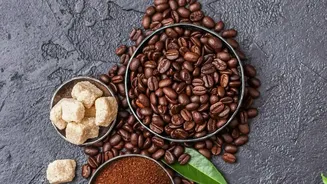
The enthusiasm for good coffee is no longer confined to cafes. The pandemic-induced work-from-home culture significantly accelerated the trend of home brewing. Having developed a taste for high-quality coffee, young consumers began investing in their own equipment, from French presses to manual grinders and gooseneck kettles. Indian roasters responded by strengthening their direct-to-consumer models, offering freshly roasted beans delivered to doorsteps, often with the roast date printed on the bag to guarantee freshness. This has empowered a new wave of 'home baristas' to experiment with brewing techniques and explore beans from different Indian estates like Baarbara or Ratnagiri right from their own kitchens.