





The Science of a Dry Sanctuary
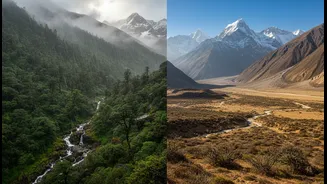
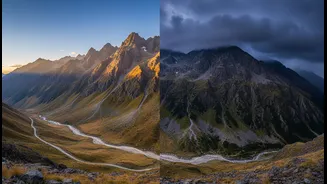
The magic behind these dry monsoon getaways is a simple geographical phenomenon called the rain-shadow effect. When moisture-laden monsoon winds from the Indian Ocean travel north, they are blocked by the towering Himalayan ranges. Forced to rise, the clouds
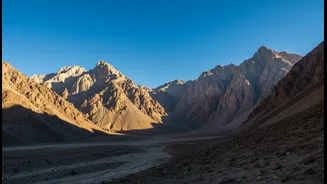
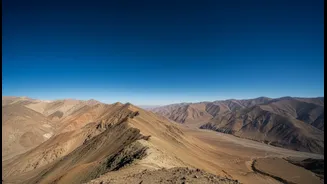
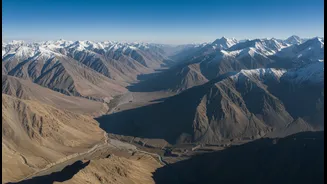
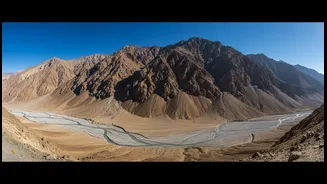
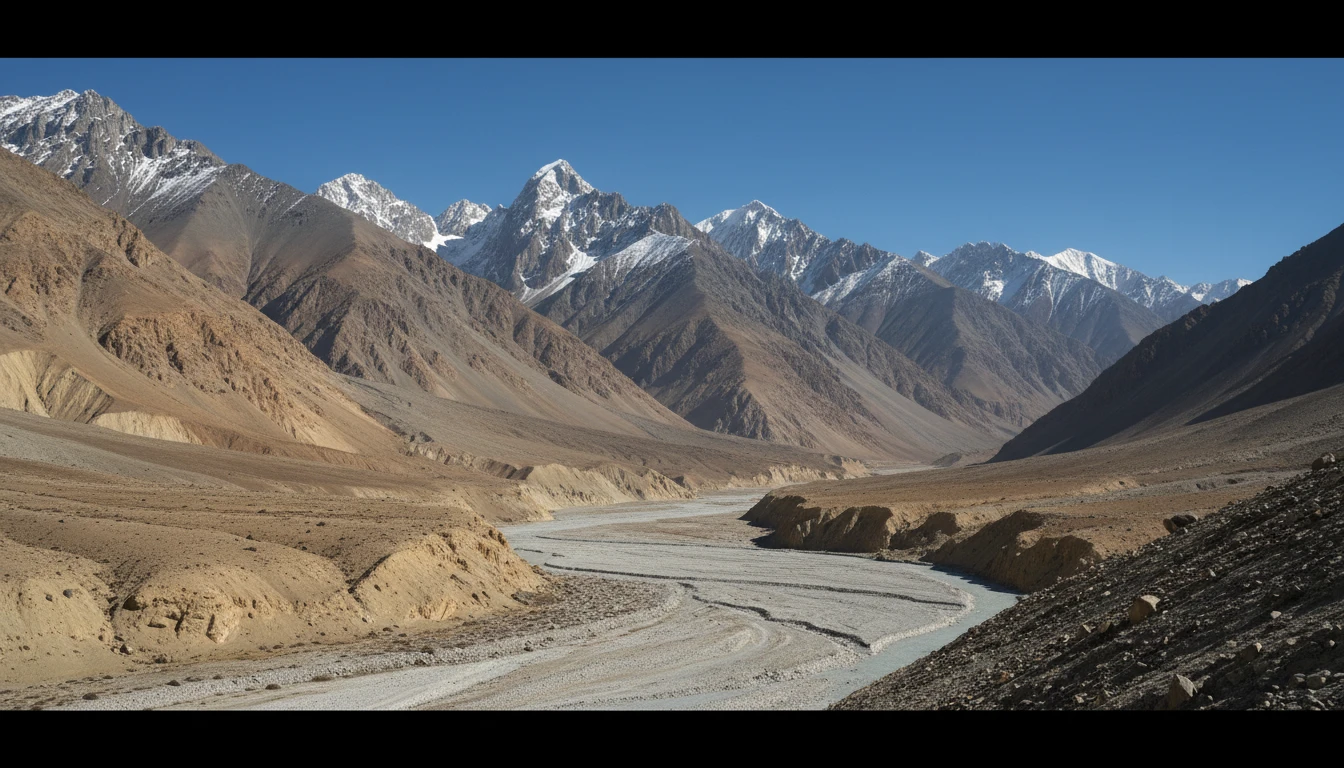
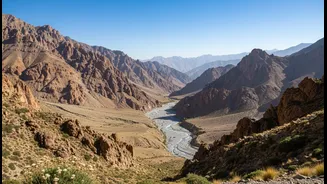
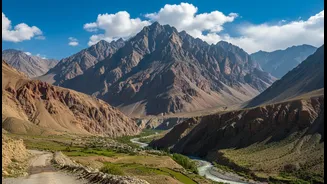
cool and release all their rain on the windward, or southern, slopes. By the time the air crosses over the highest peaks to the other side—the leeward side—it has lost most of its moisture. This creates a vast, arid landscape that remains remarkably dry and sunny, even as the rest of the country experiences heavy rainfall. These are the rain-shadow regions, high-altitude deserts that offer a unique and safe travel opportunity during the monsoon months.
India's Monsoon-Proof Havens
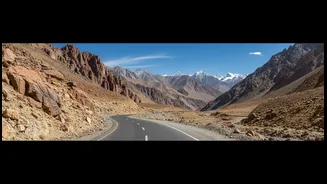
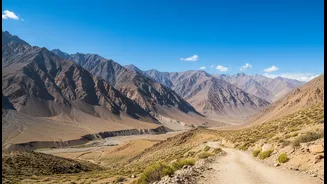
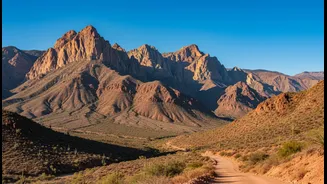
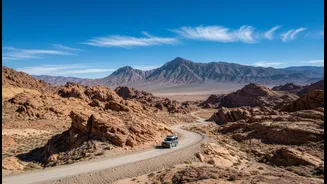
In India, the most famous rain-shadow areas are the trans-Himalayan regions of Ladakh and the Lahaul and Spiti valleys in Himachal Pradesh. These destinations transform into perfect travel spots from June to September. While popular hill stations like Shimla and Manali face the threat of landslides, these valleys offer clear skies, accessible roads, and pleasant weather, making them ideal for trekking, road trips, and cultural exploration. The minimal rainfall means you can enjoy outdoor activities without the interruptions and risks associated with the monsoon in other mountainous areas.
Exploring Lahaul and Spiti
Often called 'Little Tibet', the Spiti Valley is a world of stark, stunning landscapes, ancient monasteries perched on cliffs, and charming villages. During the monsoon months, when much of Himachal is drenched, Spiti remains largely dry and accessible. The valley offers experiences like visiting Key Monastery, one of the oldest and biggest in the region, sending a postcard from the world's highest post office in Hikkim, and searching for fossils in Langza village. While the valley itself is dry, the journey there, particularly the route from Manali, can sometimes face disruptions in the lower reaches before you enter the rain-shadow zone. The alternative route via Shimla and Kinnaur is generally considered more reliable during this season, though it's a longer journey.
The Allure of Ladakh
Ladakh is perhaps the ultimate rain-shadow destination. It receives very little rainfall year-round, and the monsoon period (July-August) is actually considered one of the best times to visit, with pleasant daytime temperatures perfect for sightseeing. This is the season when the stark brown mountains are sometimes contrasted with surprisingly lush green valleys along the riverbanks. It's an ideal time to explore the famous magnetic hill, the stunning blue waters of Pangong Tso, and the dramatic landscapes of the Nubra Valley. Because many travellers are wary of monsoon travel, you might even find fewer crowds compared to the peak season of June.
Travel Smart, Travel Safe
While the destinations themselves are safe from monsoonal downpours, planning is key. The roads leading into these valleys, particularly the Manali-Leh and Manali-Kaza highways, pass through areas that do receive heavy rain. These sections can be prone to landslides and roadblocks. It's crucial to build extra days into your itinerary for potential delays and to stay updated on road conditions from official sources like the Border Roads Organisation (BRO). Acclimatisation to the high altitude is also vital. Spend a day or two at a moderate altitude before ascending further to avoid acute mountain sickness. Finally, while these areas are less crowded, the travel season is short, so booking accommodation and transport in advance is always a wise move.