





First, Check the Serving Size
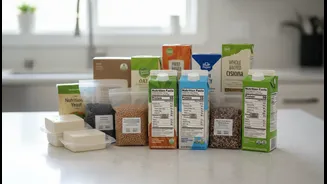
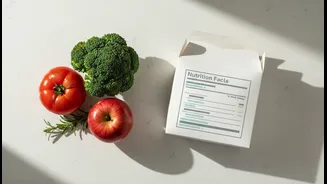
Before you look at anything else, find the serving size. All the numbers on the label—calories, protein, sugar—are based on this amount. A package of paneer might list 15 grams of protein, but if the serving size is only half the pack, you need to double
all the values to understand what you're actually consuming. This is the most common mistake people make. Manufacturers can make a product seem healthier by suggesting an unrealistically small serving size. Always adjust the numbers to reflect how much you plan to eat in one sitting.
The Main Event: Protein in Grams
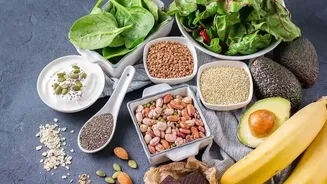
This is the number everyone looks for. But how much is enough? The Indian Council of Medical Research (ICMR) suggests a baseline of about 0.83 grams of protein per kilogram of body weight for a healthy, sedentary adult. For a 65 kg man, that’s around 54 grams daily; for a 55 kg woman, it's about 46 grams. Active individuals, athletes, pregnant women, and seniors need more—often in the range of 1.2 to 1.6 grams per kg of body weight. When you look at a label, see how many grams a serving provides and consider how it fits into your daily total. A good meal should provide at least 20-30 grams to contribute meaningfully to your daily needs.
Look Beyond Grams: The Calorie Ratio
A high protein number is great, but not if it comes with an excessive number of calories. This is where the protein-to-calorie ratio comes in handy. A simple rule of thumb is the 10:1 ratio: for every 10 calories, there should be at least 1 gram of protein. To check this, simply divide the total calories by the grams of protein. If the result is 10 or less, you’ve found a lean, efficient protein source. For example, a protein bar with 250 calories and 25 grams of protein hits this mark perfectly (250 ÷ 25 = 10). However, a bar with 400 calories and only 20 grams of protein gives you a ratio of 20, making it a less ideal choice if you're managing your calorie intake.
The Hidden Saboteur: Added Sugars
This is one of the most important numbers to check, especially in packaged goods like protein bars, shakes, and flavoured yogurts. Many products marketed as healthy are loaded with sugar to make them taste better. Some protein powders can contain as much as 23 grams of sugar per scoop, and protein bars can have nearly 30 grams. This can lead to unwanted weight gain and unhealthy blood sugar spikes. Look for products with minimal added sugar—ideally less than 5 grams per serving. Also, be wary of artificial sweeteners and sugar alcohols like sorbitol and maltitol, which can cause digestive issues like bloating and gas for some people.
Don't Forget Sodium and Fats
Processed protein sources, from packaged meats to savoury bars, can be high in sodium. A high sodium diet is linked to various health issues, so it's wise to keep an eye on this number. As a general guideline, a food is considered high in salt if it has more than 1.5g of salt (or 0.6g of sodium) per 100g. Similarly, check the fat content, particularly saturated fat. While some fats are essential, you want to choose protein sources that are lower in saturated fats. Lean meats, fish, dals, lentils, and low-fat dairy are excellent choices that deliver high-quality protein without excessive unhealthy fats.
The Final Clue: The Ingredient List
If the nutrition numbers look good, your final check should be the ingredient list. Ingredients are listed in order of quantity, from most to least. For a high-quality product, the protein source (like whey, casein, soy, paneer, or chicken) should be one of the first few ingredients. If you see sugar, maltodextrin (a filler), or various oils listed at the top, it’s a sign that the product is more filler than substance. A shorter, more recognisable ingredient list is almost always a better sign of a wholesome product.