


Understanding Cross-Contact
First, it's important to understand the term "cross-contact." This is different from cross-contamination, which refers to the transfer of bacteria or viruses. Cross-contact is when one food comes into contact with another, leading to the unintentional
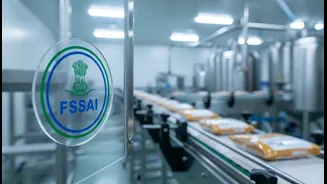
transfer of its proteins. In a food manufacturing setting, this can happen when multiple products are made using the same equipment. For example, a facility might produce a dark chocolate bar with no milk in its recipe, but use the same processing line that earlier made milk chocolate. Despite cleaning procedures, microscopic traces of milk protein could potentially remain and get mixed into the vegan product. This doesn't mean milk is an ingredient, but that there's a small risk of its presence.
Why the Warning Exists
Precautionary allergen labels like “May contain…” or “Made in a facility that also processes…” are voluntary warnings placed by manufacturers. In India, the Food Safety and Standards Authority of India (FSSAI) mandates the declaration of eight major allergens, including milk and eggs, when they are part of the recipe. The 'may contain' statement is an additional, non-mandatory warning used to protect consumers with severe, life-threatening food allergies. For someone with a serious milk allergy, even a minuscule, unintended trace of milk protein can trigger a severe reaction. Therefore, these labels are a crucial food safety measure for a specific segment of the population, not a comment on the product's ingredient list.
Veganism vs. Allergies: A Crucial Distinction
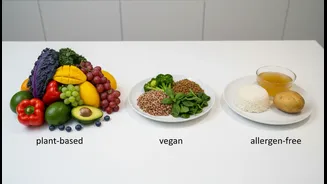
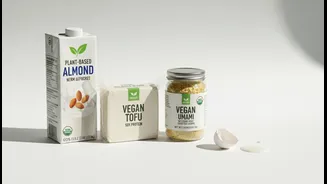
Herein lies the core of the confusion: the term “vegan” and the term “allergen-free” serve different purposes. A vegan label indicates that a product was intentionally made without animal-derived ingredients, aligning with an ethical or dietary choice. Most vegan standards, including those from organisations like The Vegan Society, focus on the deliberate exclusion of animal products, while requiring that the risk of cross-contact is minimised. However, they do not typically require products to be made in completely separate, animal-free facilities, which is a much stricter standard. A “free-from” claim, on the other hand, is a food safety guarantee. It means rigorous controls are in place to ensure the product is completely free of the specified allergen, making it safe for allergy sufferers. A vegan label makes no such safety guarantee for those with allergies.
So, Can You Eat It?
Whether you should consume a product with a cross-contact warning depends entirely on your personal reasons for being vegan. If you have a milk, egg, or other animal-product allergy, you should take these warnings very seriously and likely avoid the product. For you, the risk is a medical one. However, if you are vegan for ethical or dietary reasons and do not have an allergy, these products are generally considered acceptable. The vegan philosophy is rooted in reducing animal exploitation and demand by not purchasing products with intentional animal ingredients. An unintentional, trace amount from cross-contact does not contribute to the demand for that animal product. Many vegans are comfortable eating these products, as avoiding them would severely limit food choices, especially from brands that use shared facilities.