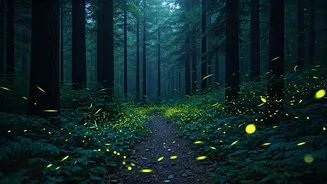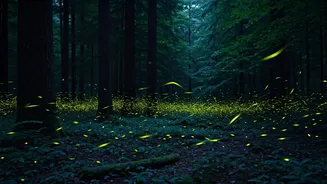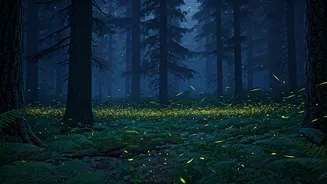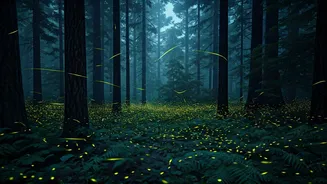



The Science of a Living Light Show
This enchanting display is not magic, but a beautiful biological marvel. Fireflies, which are actually winged beetles from the Lampyridae family, produce 'cold light' through a chemical reaction in their lower abdomens called bioluminescence. The primary
purpose of this glow is communication, specifically for attracting mates. Each species has a unique flashing pattern—a kind of Morse code of love. The pre-monsoon period, from late May to mid-June, offers the perfect combination of humidity and temperature for the larvae to mature into adults, triggering this mass spectacle of courtship before the heavy rains set in.
Maharashtra: The Epicentre of the Glow
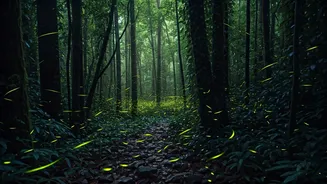
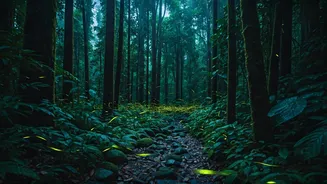
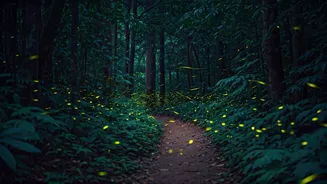
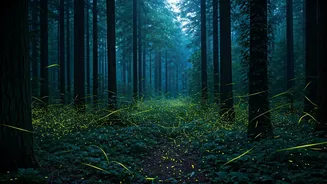
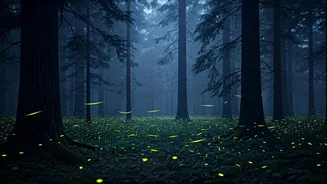
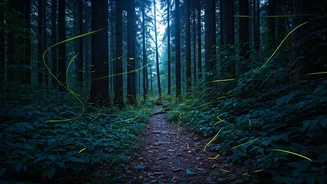
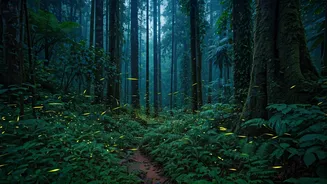
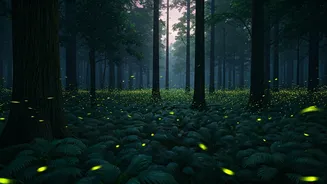
While fireflies can be spotted in various parts of the country, the most spectacular congregations occur in the Western Ghats, particularly in Maharashtra. The Sahyadri mountain range provides the ideal dark, dense, and humid environment for these insects to thrive. Here, entire trees and hillsides appear to be decorated with millions of blinking lights, creating an otherworldly experience for trekkers and nature lovers who flock to the region each year.
Bhandardara: A Lakeside Spectacle
Nestled by the Pravara River, the village of Bhandardara is one of the most popular destinations for firefly watching. The area around Wilson Dam and Arthur Lake becomes a hotspot of bioluminescent activity. Local operators and campsites offer guided night walks and boat rides, allowing visitors to immerse themselves in the phenomenon. The combination of the dark, reflective waters and the twinkling forests creates a scene of unparalleled beauty. Many visitors choose to camp here, falling asleep to the silent symphony of flashing lights.
Purushwadi: A Community-Led Festival
For a more organised and culturally immersive experience, the village of Purushwadi hosts an annual Firefly Festival. Spearheaded by local eco-tourism initiatives, the festival invites visitors to stay in village homestays, enjoy local cuisine, and witness the fireflies on guided walks. This model ensures that tourism benefits the local community directly while promoting conservation. It’s a wonderful opportunity to not only see the fireflies but also learn about the local way of life and the importance of preserving this delicate ecosystem.
Rajmachi: A Trek Through Twinkling Forests
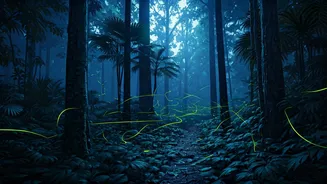
Adventure seekers often prefer the trail to Rajmachi fort. The trek itself, particularly the path from Lonavala, becomes an unforgettable journey as dusk falls. The forests lining the route are teeming with fireflies, turning a challenging trek into a magical pilgrimage. Trekkers often camp at the base of the fort, enjoying a night under a canopy of stars and a sea of fireflies. The historic fort provides a stunning backdrop to this natural light show, making it a favourite among photographers and thrill-seekers.
Tips for a Responsible Visit
The firefly population is sensitive to environmental changes and disturbances. To ensure these trails continue to glow for years to come, it's crucial to be a responsible visitor. Avoid using bright flashlights; use a red filter if you need light, as it's less disruptive. Maintain silence and avoid loud noises, as these can interfere with their mating calls. Never try to catch the fireflies. Lastly, leave no trace behind—carry all your garbage back with you. The goal is to witness their world without disturbing it.