








The Rise of the Wellness Showcase
Mindfulness has officially entered its mainstream era. But its journey into the public consciousness has come with a peculiar transformation. What was once a deeply personal, internal practice is now often an external display. We see it in the form of #mindfulness
hashtags attached to perfectly curated images, influencers sharing their 'mindful morning routines', and celebrities crediting meditation for their success. The wellness industry, a multi-trillion dollar global market, has successfully packaged mindfulness into a desirable product. In India, the wellness market is a significant and growing sector, projected to reach over USD 250 billion by 2033, with corporate wellness programs also on the rise. This has created a culture where practising mindfulness is not just about inner peace, but about showcasing a commitment to self-optimisation.
From Ancient Practice to Status Symbol
To understand the shift, it’s helpful to look at its roots. Mindfulness originates from ancient Indian traditions, particularly Buddhism and Hinduism, dating back thousands of years. In Buddhism, mindfulness, or 'sati', is a core component of the path to enlightenment, focusing on present-moment awareness of one's body, feelings, and thoughts without judgment. It was a way of life, not just a ten-minute activity scheduled between meetings. The practice was introduced to the West in a secular context primarily in the latter half of the 20th century, framed as a tool for stress reduction. This secularisation made it accessible but also opened the door for its commercialisation, stripping it of some of its deeper, ethical context and turning it into 'McMindfulness'.
The Psychology of the 'Flex'
Why do we feel the need to broadcast our quest for inner peace? It's tied to the broader culture of 'performative wellness'. In a world that prizes productivity and achievement, even rest must be optimised and displayed. Social comparison theory helps explain this, as we naturally measure ourselves against the curated lives we see online. When a wellness routine is presented flawlessly online, it becomes a benchmark for our own, often leading to pressure and feelings of inadequacy. Sharing our mindfulness journey can become a form of reputation management, a way to signal that we are 'doing the work' and have it all together, even when that might not be the case internally. This performance can be a survival strategy in a culture that rewards a polished image.
The Commercial Engine of 'McMindfulness'
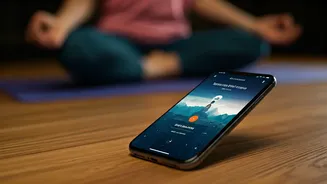
The wellness industry has become adept at creating a problem so it can sell a solution. Brands market expensive candles, luxury loungewear, and a dizzying array of apps as essential tools for achieving mindfulness. Meditation apps like Headspace and Calm are multi-million dollar companies that have successfully monetised meditation. Companies have also adopted mindfulness in the workplace, not necessarily for employee liberation, but as a tool to boost productivity and reduce unrest, fitting neatly into a capitalist pursuit of profit. This commercialisation makes wellness a privilege, turning an ancient practice of awareness into a commodity that can be bought and sold.
Is Performative Mindfulness Still Helpful?
This leads to the crucial question: does mindfulness lose its benefits when it becomes a performance? The constant self-monitoring and pressure to perform can mimic the very stress response that mindfulness is supposed to alleviate. When our attention is split between the experience and how we will present that experience online, we short-change ourselves of the actual restorative benefits. However, the argument can be made that even a commercialised or 'lite' version of mindfulness is better than none. The trend has certainly destigmatised conversations around mental well-being and self-care. The key might be to differentiate between the optics of wellness and its substance. True mindfulness is about paying attention to the present moment, which is inherently a private, internal experience. The challenge is to navigate a world that wants you to post about it.