







The Character of Rain, Not Just the Quantity
The heart of the paradox lies in the changing nature of the monsoon itself. Climate change is contributing to more erratic and intense rainfall patterns. Instead of experiencing steady, moderate rainfall over several weeks, regions are now increasingly
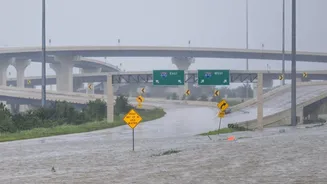
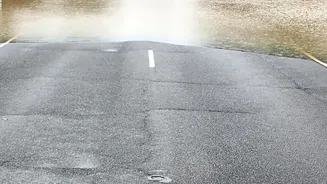
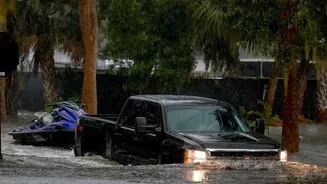
facing long dry spells punctuated by sudden, ferocious downpours. A significant portion of a months rain can now fall in just a few hours or days. This high intensity overwhelms the natural and man-made drainage systems. The ground, hardened by a preceding dry period, cannot absorb the water fast enough, leading to rapid surface runoff that quickly causes waterlogging and flash floods. Therefore, a season can end with a below-average total rainfall, yet have experienced several extreme flooding events because of these concentrated bursts of rain.
Our Cities Are Becoming Concrete Sponges
Rapid and often unplanned urbanisation is a major amplifier of flood risk. As cities expand, permeable surfaces like soil, parks, and wetlands are replaced with impermeable concrete and asphalt. These concrete jungles prevent rainwater from seeping into the ground. Instead, the water is channelled directly into stormwater drains. Studies show that urbanisation can increase flood peaks by up to eight times. In many Indian cities, this expansion has been haphazard, with construction encroaching upon natural floodplains, lakes, and drainage channels, effectively choking the citys ability to manage excess water. Bengaluru, for example, has lost a significant portion of its interconnected lake system, which once acted as a natural buffer against floods.
Ageing Drains and Clogged Waterways
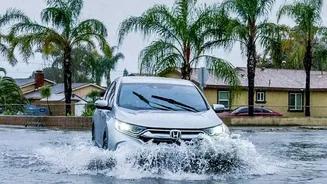
The infrastructure designed to protect our cities is often part of the problem. Many urban drainage systems are decades, if not a century, old. Mumbais storm drains, for instance, were largely designed in the 19th century for a much lower rainfall intensity and a smaller urban footprint. These outdated systems are simply not equipped to handle the volume and velocity of water generated by modern, high-intensity cloudbursts. Compounding the issue is poor maintenance. Drains are frequently clogged with silt, plastic, and other solid waste, drastically reducing their carrying capacity. When a massive volume of rain falls in a short period, these choked and undersized systems quickly overflow, turning streets into rivers.
The Disappearance of Natural Buffers
Historically, wetlands, ponds, and green spaces within and around cities acted as natural sponges, absorbing and holding excess rainwater. However, rampant encroachment for construction and development has led to the disappearance of these vital ecosystems. This not only reduces the grounds capacity to absorb water but also destroys natural drainage pathways. Similarly, deforestation in the catchment areas of rivers contributes to faster runoff and soil erosion. The eroded silt deposits in riverbeds, reducing their depth and capacity to carry water, which makes them more likely to breach their banks during heavy downpours. This combination of landscape degradation means that even moderate rainfall can now lead to flooding that might not have occurred in the past.