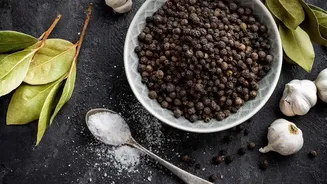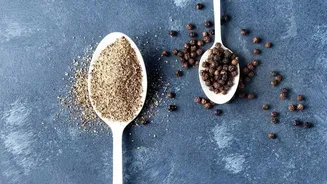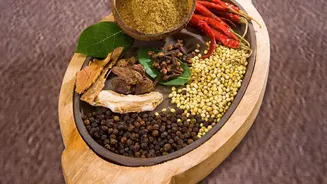

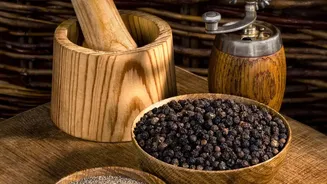
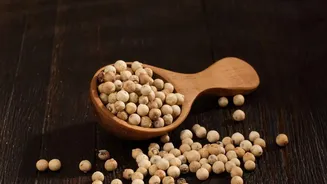
Black pepper, the undisputed 'king of spices', is a fixture in every Indian masala box. But not all peppercorns are created equal. The difference between real and adulterated pepper isn't just about flavour; it's about your health and getting the value
you pay for.
Why Quality Matters More Than You Think
From rasam and kadha to simple marinades, black pepper does more than just add heat. Its characteristic punch comes from a compound called piperine, which boasts antioxidant properties and aids digestion. High-quality pepper delivers a complex, woody, and aromatic flavour that elevates a dish. However, the lucrative spice trade means that this expensive commodity is a prime target for adulteration. Low-quality or contaminated pepper not only lacks the signature aroma and health benefits but can also introduce harmful substances into your food, potentially causing stomach issues, allergies, or other health problems. Ensuring the purity of your pepper means you are protecting your family's health and making your food taste its best.
Common Culprits: What to Watch For
The most common adulterant found in black pepper is dried papaya seeds, which look strikingly similar to whole peppercorns but are tasteless and add unwanted bulk. Other dishonest fillers include lighter, immature berries, blackberry seeds, and even tamarind seeds. In powdered pepper, the problem can be worse, with sawdust, bran, or cheap flours mixed in. Some sellers may even coat peppercorns with mineral oil to give them an appealing shine, which can have toxic effects. The motivation is simple: to increase weight and profit by mixing cheaper materials with the expensive spice. These additions offer no culinary value and can be detrimental to your health.
Simple At-Home Tests for Purity
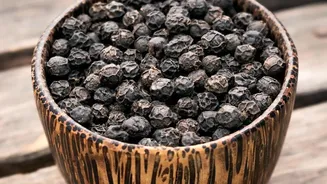
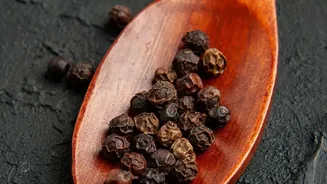
You don't need a laboratory to spot common fakes. The Food Safety and Standards Authority of India (FSSAI) recommends a few simple rapid tests you can do in your kitchen. • The Water Test: Drop a spoonful of peppercorns into a glass of plain water. Pure, dense peppercorns will sink to the bottom. Papaya seeds and hollow, poor-quality berries will float to the surface. • The Press Test: Place a few peppercorns on a flat surface and press them firmly with your thumb. Genuine peppercorns are hard and won't break easily. Lighter adulterants like blackberries will crush with little effort. • The Visual and Smell Test: Real peppercorns have a distinctively wrinkled, dense appearance and are typically dark brown to black. Adulterants like papaya seeds may look more oval and greenish-brown. Crush a single peppercorn; it should release a sharp, pungent, and woody aroma immediately. If it smells dusty, musty, or has a faint kerosene-like odour (a sign of mineral oil), it's best to be cautious.
Smarter Shopping for Better Pepper
The best way to ensure quality is to be a vigilant consumer. Whenever possible, buy whole peppercorns instead of pre-ground powder. This not only allows you to visually inspect the spice but also guarantees the freshest flavour, as grinding releases volatile oils that dissipate over time. When purchasing, opt for packaged spices from trusted brands and check for the FSSAI license number on the label. Certifications like AGMARK can provide an extra layer of assurance. Be wary of peppercorns that look unusually shiny, as this might indicate an oil coating. Also, avoid loose spices, as the risk of adulteration is significantly higher. A slightly higher price for a reputable brand is often a worthwhile investment for both taste and safety.