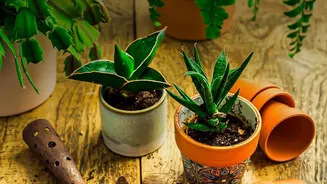








Beyond the simple joy of watching something grow, mindful gardening offers a wealth of quiet, profound benefits. This daily practice is more than a hobby; it’s a gentle yet powerful tool for improving both mental and physical well-being.
1. A Natural Mood Boost From the Soil Itself
Gardeners often
describe their gardens as a 'happy place', and science suggests a fascinating reason why. Soil contains a harmless microbe called Mycobacterium vaccae, which has been found to act in a similar way to antidepressant medication. When you get your hands dirty, you absorb or inhale these microbes, which can trigger the release of serotonin in your brain. Serotonin is a key neurotransmitter that helps regulate mood, and low levels are often linked to feelings of anxiety and depression. This means that the simple act of digging in the dirt could provide a natural lift to your spirits, no prescription required.
2. Enhanced Cognitive Function and Brain Health
Gardening isn't just a physical activity; it's a complex workout for your brain. Activities like planning a planting schedule, solving pest problems, and learning about different plant needs engage multiple cognitive processes. Studies have shown that regular gardening is associated with better cognitive function, including memory and attention, particularly in older adults. Some research even suggests it may help lower the risk of dementia. The combination of physical activity, problem-solving, and sensory engagement helps stimulate the brain, promoting neuroplasticity—the brain's ability to form new neural connections.
3. A Powerful Break from Anxious Thoughts
In a world filled with digital distractions and constant pressure, the garden offers a peaceful retreat. Mindful gardening encourages you to focus on the present moment, a practice that can be incredibly effective at reducing stress and anxiety. Repetitive, gentle tasks like weeding, watering, or pruning can help interrupt cycles of rumination—the unhealthy pattern of getting stuck on negative thoughts. This focus on a tangible, engaging task can induce a 'flow state', where you are fully immersed in what you're doing. This process has been shown to lower levels of cortisol, the body's primary stress hormone, leading to a greater sense of calm and improved mood.
4. Cultivating Patience and Radical Acceptance
A garden operates on its own timeline, and there is very little a gardener can do to rush it. This provides a powerful, hands-on lesson in patience. You learn that growth is a gradual process and that instant gratification is rarely part of nature's plan. Furthermore, gardening forces you to practice acceptance. You cannot control the weather, an unexpected pest infestation, or a plant that simply fails to thrive. By learning to work with these uncontrollable factors rather than against them, you cultivate a sense of resilience and acceptance that can be applied to many other areas of life, reducing frustration and fostering a more peaceful outlook.
5. A Full-Body Sensory Awakening
Mindful gardening is an invitation to engage all of your senses. It pulls your awareness away from screens and internal chatter and into the physical world. You feel the texture of the soil and the delicate surface of a leaf. You smell the rich aroma of damp earth after watering or the fragrance of a blooming flower. You hear the sound of rustling leaves and buzzing insects. You see the vibrant, shifting colours of your plants as they grow and change with the light. This deep sensory engagement grounds you in the present moment, which is the very essence of mindfulness, helping to clear your mind and reduce feelings of being overwhelmed.