
There is a special magic to exploring a city on foot, where every corner turned reveals a new texture, scent, or sound. It’s about discovering the pulse of a place, one step at a time. For those who believe the best journeys are paved with stories...
La Rambla, Barcelona, Spain
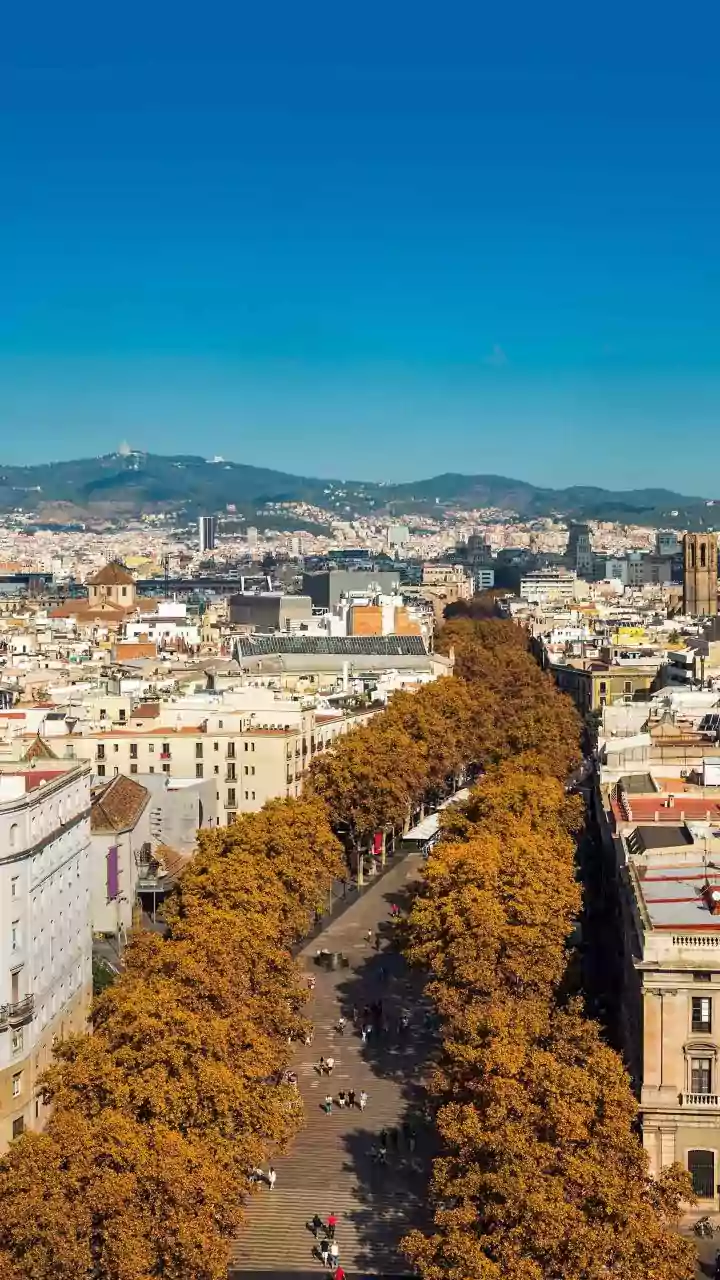
Arguably the most famous pedestrian thoroughfare in Spain, La Rambla is a vibrant, tree-lined boulevard that stretches from Plaça de Catalunya down to the port. It’s a 1.2-kilometre river of life, where street performers, flower stalls, and outdoor cafes create a constant buzz. The design intentionally places pedestrians in the wide, central promenade, with cars relegated to narrow side lanes. While strolling, you can dip into the famous La Boqueria Market for a snack or admire the colourful Miró mosaic set right into the pavement.
The Shambles, York, UK
Walking down The Shambles is like stepping into a medieval fairy tale. This narrow, cobbled street in York is famed for its overhanging timber-framed buildings, some dating back to the 14th century. The name comes from 'fleshammels', an old term for the butchers' shelves that once lined the street. Today, the butchers are gone, replaced by quirky independent shops, but you can still see the original meat-hooks outside. It’s so narrow in places, you can almost touch both sides of the street at once.
Chandni Chowk, Delhi, India
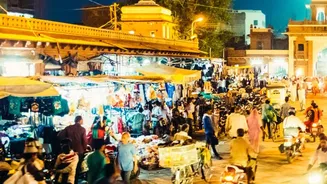
For a full sensory experience, nothing compares to Chandni Chowk in Old Delhi. Laid out in the 17th century by Emperor Shah Jahan's daughter, this 1.3km street is a chaotic, vibrant artery of commerce and culture. It’s a bewildering maze of lanes, each dedicated to a different trade—spices at Khari Baoli, Asia’s largest spice market, silver at Dariba Kalan, and wedding finery at Kinari Bazaar. While crowded, exploring on foot or by cycle rickshaw is the only way to truly absorb its historic energy and sample its legendary street food.
Via dei Fori Imperiali, Rome, Italy
Imagine a walk where every step takes you past two millennia of history. That’s the Via dei Fori Imperiali, a grand boulevard connecting Piazza Venezia to the Colosseum. Flanked by the ruins of the Imperial Forums of Trajan, Augustus, and Nerva, it’s an open-air museum. Built in the 1930s, the road has a complex past but has increasingly been pedestrianised, especially on Sundays, allowing walkers to stroll through the heart of ancient Rome. A walk here at golden hour, with the setting sun illuminating the ancient stones, is unforgettable.
Strøget, Copenhagen, Denmark
As one of Europe's longest pedestrian-only shopping streets, Strøget is a triumph of urban planning. Since going car-free in 1962, this 1.1km stretch has become the heart of Copenhagen's social life. It's not just one street, but a series of interconnected streets and squares running from City Hall Square to Kongens Nytorv. The route is a mix of high-end brands like Gucci and budget-friendly shops, alongside street performers and historic fountains, making it a perfect example of a city designed for people, not just cars.
Shibuya Crossing, Tokyo, Japan
While not a traditional street for strolling, Shibuya Crossing is the world's most famous pedestrian experience. Often called the 'Scramble', up to 2,500 people cross this massive intersection every time the lights change. Surrounded by neon signs and giant video screens, it’s a mesmerising spectacle of organised chaos that represents the vibrant energy of modern Tokyo. For the best view, grab a coffee at the Starbucks in the QFRONT building and watch the human ballet unfold from above.
Champs-Élysées, Paris, France
No list of famous streets is complete without the grandest avenue of them all. Stretching 1.9km from the Place de la Concorde to the magnificent Arc de Triomphe, the Champs-Élysées is Paris at its most iconic. Its sprawling sidewalks are perfect for a long, elegant stroll, past luxury boutiques, flagship stores, and historic cafes. While known for its high-end shopping, the lower, greener section near the Grand Palais offers a more tranquil park-like experience, making the entire walk a journey through Parisian style and history.
Lombard Street, San Francisco, USA
Known as the 'crookedest street in the world', Lombard Street is a unique visual treat. While famous for the eight hairpin turns that cars navigate down its steep hill, it's also a fantastic walk. Pedestrians can take the staircases on either side, offering the perfect vantage point to photograph the floral displays and the parade of cars making the slow, winding descent. The walk provides stunning views of the city, including Coit Tower and the Bay Bridge, making it a quintessentially San Franciscan experience.
Bourbon Street, New Orleans, USA
At the heart of the French Quarter, Bourbon Street is legendary for its vibrant nightlife. The street comes alive after dark with the sounds of live jazz pouring out of historic bars and clubs. While it has a party reputation, a daytime stroll reveals a different side, highlighting its historic architecture with charming Creole townhouses and intricate iron balconies. Families often visit during the day to soak in the atmosphere before the evening crowds arrive, making it a street with two distinct but equally compelling personalities.
Rua Augusta, Lisbon, Portugal
Lisbon's main pedestrianised street, Rua Augusta, is a lively promenade connecting the grand square of Praça do Comércio to Rossio Square. It’s famous for its beautiful black-and-white patterned pavement, a traditional Portuguese craft. The street is lined with international shops, outdoor cafes perfect for people-watching, and talented street artists. The magnificent Rua Augusta Arch at the southern end provides a stunning gateway to the riverfront and a viewing platform for those who make the climb, offering panoramic views of the city.