


Why Sustainable Regulations Are Needed Now
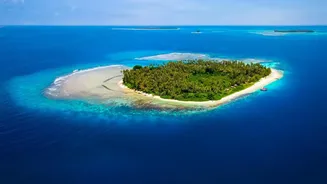
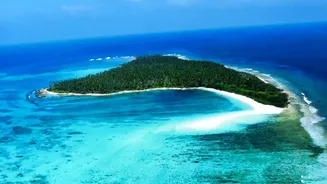
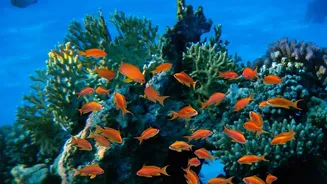
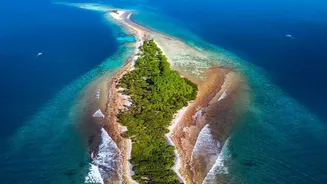
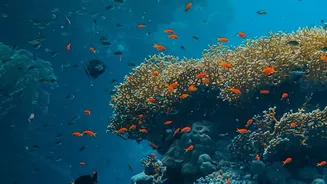
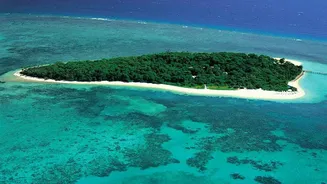
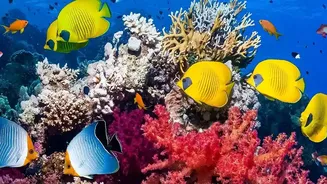
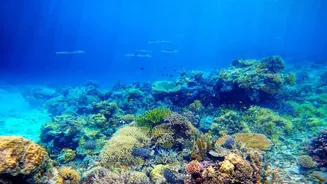
Lakshadweweep is an archipelago of 36 coral islands renowned for its turquoise lagoons and vibrant marine biodiversity. However, this delicate ecosystem is threatened by factors like climate change, which causes coral bleaching, and the pressures of growing
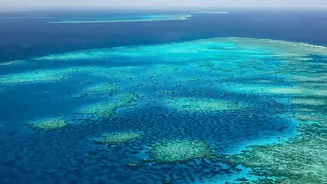
tourism. The coral reefs are not just a tourist attraction; they are vital natural barriers that protect the islands from sea erosion and storms. Recognizing the urgent need to balance tourism with conservation, authorities are implementing regulations designed to manage visitor impact and preserve the islands' natural integrity. The goal is to ensure that the beauty of Lakshadweep can be enjoyed by future generations without destroying the very thing that makes it special.
Managing Tourist Flow
A key component of the new regulations is managing the number of visitors. While entry permit rules were simplified in early 2026 to encourage tourism by removing the need for a local sponsor or prior police clearance, the system still requires careful planning. All visitors must obtain an entry permit at least 14 days in advance by applying through the official ePermit portal. This application must specify every island you intend to visit, including for transit. Entry is strictly forbidden to any island not listed on your approved permit, a measure designed to prevent overcrowding and distribute tourist presence thoughtfully across the designated areas. This ensures that the islands' limited carrying capacity is respected.
New Rules for Water Activities
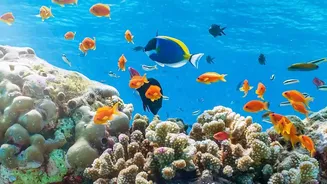
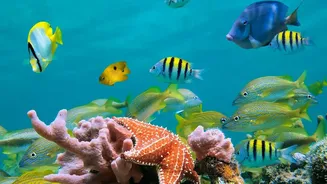
Water sports, particularly scuba diving and snorkelling, are central to the Lakshadweep experience but can also pose a risk to coral health. The new guidelines introduce stricter protocols for these activities. Tour operators and dive centres must adhere to eco-sensitive practices. For tourists, this means mandatory briefings on responsible behaviour, such as maintaining proper buoyancy to avoid touching or standing on living coral. Chasing marine life like turtles and rays is strictly prohibited, as is feeding fish to attract them for photos. These rules are designed to minimise human interference with the delicate underwater ecosystem.
A Push Towards Eco-Friendly Infrastructure
The sustainable travel initiative extends to on-island infrastructure and practices. A complete ban on single-use plastics is in effect to combat marine pollution and keep the lagoons and beaches clean. Tourists are strongly encouraged to use reusable alternatives. Furthermore, there is a focus on promoting eco-friendly accommodations that utilize solar power, rainwater harvesting, and effective waste management systems. By encouraging this green infrastructure, the administration aims to reduce the overall carbon footprint of tourism on the islands and create a model for sustainable development.
What This Means for Your Travel Plans
If you are planning a trip to Lakshadweep, these new guidelines will shape your experience. While permit rules have been streamlined, the need for advance planning and adherence to island-specific permissions is crucial. Your transit options are limited to Kavaratti or Agatti, with a maximum stay of 12 hours. Expect a strong emphasis on environmental responsibility during your visit, from waste disposal to how you interact with marine life. Choosing tour operators who are certified in sustainable practices will be more important than ever. These measures ensure that your visit contributes positively to the preservation of this unique destination.