



The Core Idea: From Face to Space
Japanese Beauty, or J-Beauty, is more than just products; it's a holistic approach centered on prevention, protection, and perfection through patient, layered rituals. It favours a ‘less is more’ attitude, prioritising a few high-quality, effective elements
over a cluttered shelf of options. When applied to interior design, this translates into creating spaces that feel calm, intentional, and deeply personal. It’s not about stark minimalism, but about curating an environment that nurtures your well-being, much like a carefully chosen skincare regimen. The goal is to declutter not just your surfaces, but also your mind, by creating a home that functions as a serene sanctuary from the outside world.
Embrace ‘Kanso’ – The Art of Simplicity
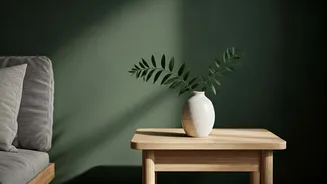
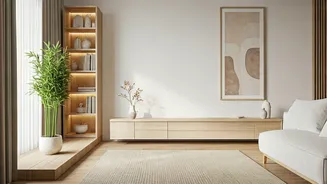
‘Kanso’ is the Japanese design principle of simplicity, which focuses on eliminating the non-essential. This isn’t about living in an empty room. Instead, it’s a call to be more deliberate about what you own and display. Start by decluttering one room at a time. Ask yourself if an object serves a purpose, brings you joy, or holds sentimental value. If not, it might be time to let it go. In an Indian home, this could mean swapping out multiple small decorative items for one larger, statement piece of art or a beautifully crafted urli. Choose furniture with clean lines and hidden storage to maintain a sense of order and calm.
Incorporate ‘Shizen’ – Natural Elements
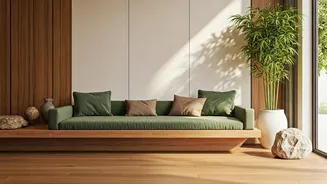
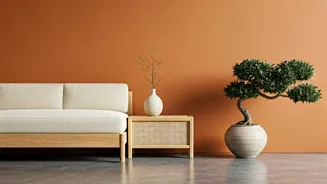
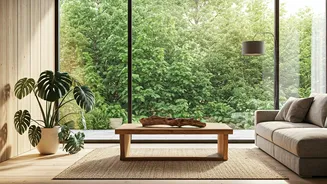
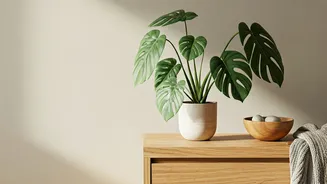
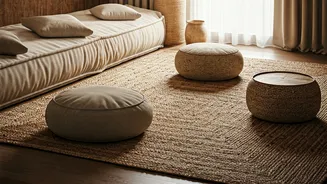
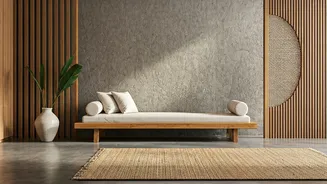
Just as J-Beauty formulations often celebrate natural ingredients, a mindful home should honour its connection to the natural world. The principle of ‘Shizen’ emphasizes bringing the outdoors in. This is easily achieved in the Indian context. Use materials like jute for rugs, cotton or linen for curtains, and wood or bamboo for furniture. Place indoor plants like snake plants, money plants, or areca palms in corners to purify the air and add a touch of living green. Large windows that allow for ample natural light are key. The goal is to create a space that feels airy, alive, and connected to the rhythms of nature.
Value ‘Ma’ – The Power of Negative Space
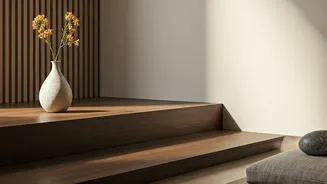
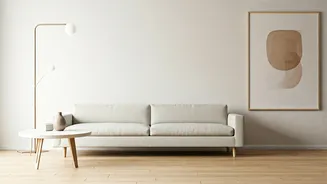
In Western design, we often focus on filling space. The Japanese concept of ‘Ma’ celebrates the opposite: the beauty of empty or negative space. This is the pause, the interval, the space between objects that gives each one room to breathe and be appreciated. Don’t feel the need to fill every wall or cover every surface. A bare wall can be just as impactful as one covered in art. Arranging furniture away from the walls can create better flow and a more open feeling. This intentional emptiness reduces visual noise, allowing your mind to rest and focus on the beautiful, purposeful items you’ve chosen to keep.
Practise ‘Shibui’ – Subtle, Unstated Beauty
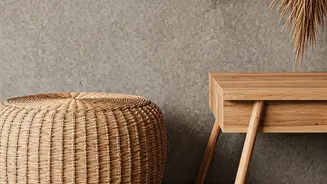
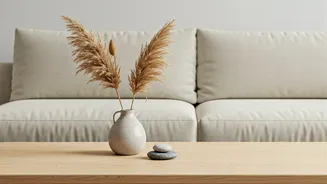
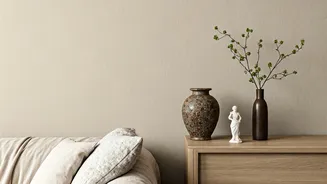
‘Shibui’ refers to a particular aesthetic of simple, subtle, and unobtrusive beauty. It's a quiet elegance that doesn't shout for attention but reveals its quality and texture over time. Think of a handcrafted ceramic mug, a handwoven textile with a slight imperfection, or the beautiful grain of a wooden table. To incorporate ‘Shibui’, focus on a neutral colour palette—beiges, greys, soft whites, and earthy tones. Add depth with different textures: a rough-hewn wooden bench against a smooth wall, a soft woollen throw on a leather sofa. This approach creates a sophisticated, layered look that is both timeless and deeply calming.
Create Rituals, Not Just Routines
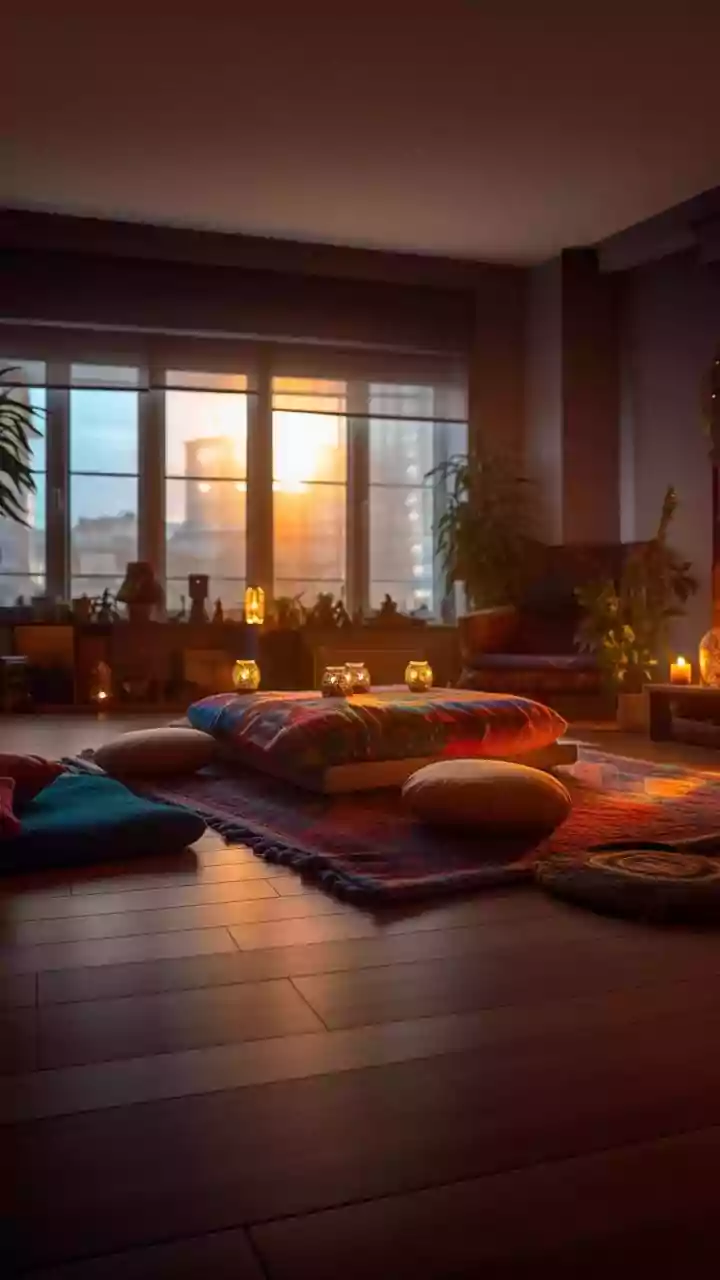
The final step is to bring the J-Beauty sense of ritual into your home. This means being mindful in your daily actions. Your morning chai or coffee can become a ritual if you savour it in a favourite corner. The act of lighting an agarbatti or a scented candle can signal the end of the workday. Tidying up for 10 minutes before bed isn't just a chore; it’s an act of resetting your space for a peaceful night. By creating these small, intentional moments, you actively engage with your environment, transforming your home from a passive backdrop into an active participant in your well-being.