



Nature’s Head Start for Your Garden
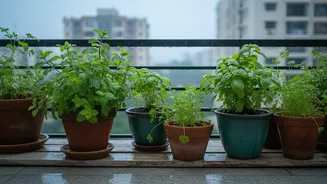
The monsoon season is a gift to gardeners. The consistent rainfall provides natural and gentle irrigation, reducing the need for manual watering and saving resources. This period is marked by high humidity, cooler temperatures often hovering between 25-30°C,
and softened soil—an ideal combination that promotes faster seed germination and robust root development. Plants experience less stress, leading to healthier leaf growth and a higher survival rate for new plantings. This unique climate helps nutrients in the soil become more readily available for plants to absorb, making it a highly productive time to cultivate fresh, aromatic herbs right on your balcony or windowsill.
Top 5 Herbs to Plant This Monsoon
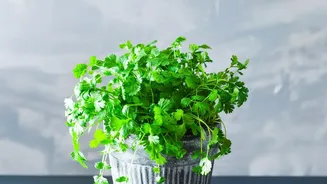
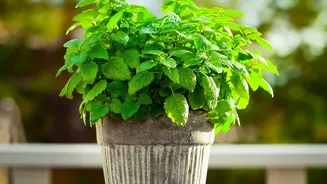
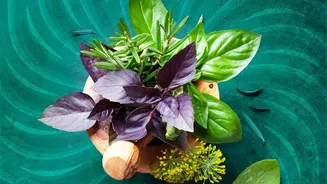
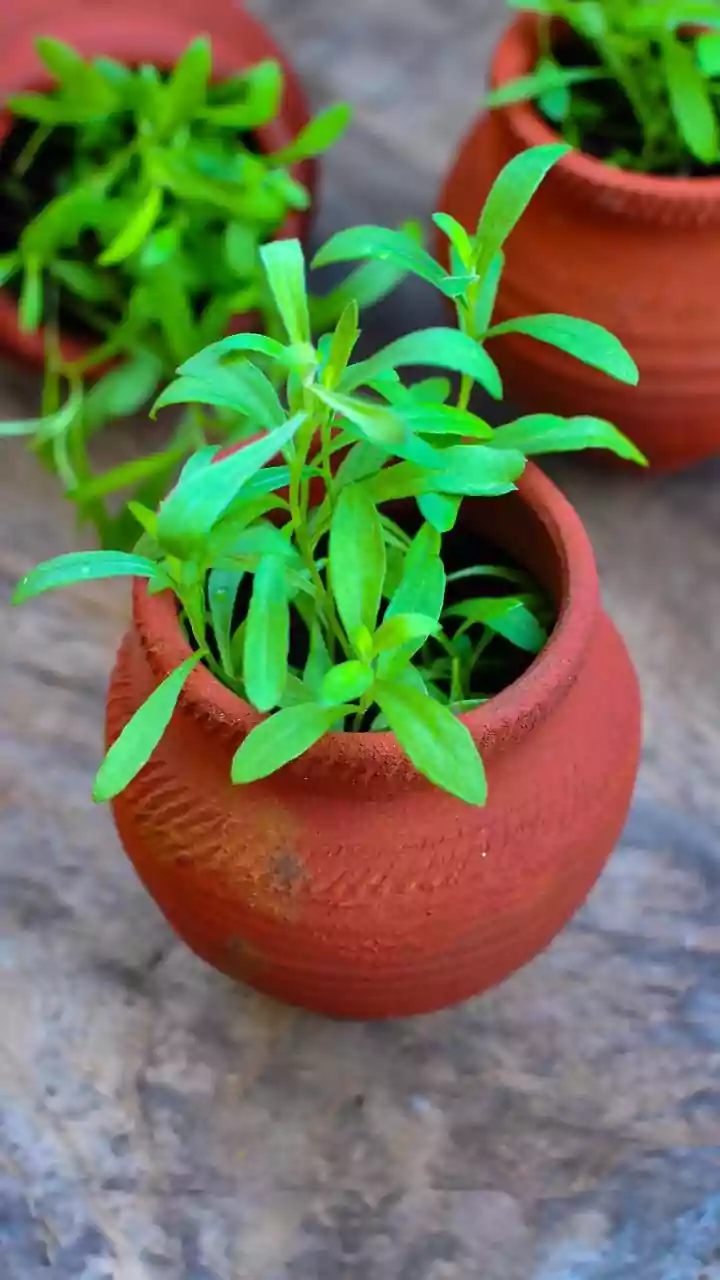
Not all herbs are created equal when it comes to handling the Indian monsoon. Here are five that flourish in the damp and humid conditions: 1. Mint (Pudina): This aggressive grower loves the moisture of the rainy season and spreads quickly. It’s best to keep it in a separate container to prevent it from taking over. Fresh mint is perfect for chutneys, teas, and raitas. 2. Holy Basil (Tulsi): Revered for its medicinal properties, Tulsi grows vigorously during the monsoon. It's known to boost immunity, which is particularly helpful during a season known for colds and coughs. Ensure it’s in a pot with good drainage to avoid waterlogging. 3. Coriander (Dhaniya): A staple in Indian kitchens, coriander thrives in the cool, moist weather of the monsoon. It’s a fast-growing herb that doesn’t demand much attention, making it perfect for beginners. Lightly crushing the seeds before sowing can improve germination. 4. Lemongrass: This fragrant herb, with its citrusy aroma, also grows well during this season. The high humidity helps it flourish. Regular trimming of dry or yellowing leaves will encourage healthy new growth. 5. Ginger (Adrak): While technically a rhizome, ginger is grown for its culinary and medicinal use, much like an herb. It loves humid conditions and organically rich soil, making the monsoon its ideal growing period.
Essential Care in the Rainy Season
While the monsoon provides many benefits, it also presents challenges like waterlogging, pests, and fungal diseases. The key to a successful herb garden lies in managing these risks effectively. The most critical factor is ensuring proper drainage. Make sure your pots have ample drainage holes and consider placing them on stands or bricks to prevent them from sitting in stagnant water. Heavy rains can also compact the soil, so using a light, well-aerated potting mix containing soil, compost, and coco peat is beneficial. You should also cut back on manual watering; always check if the top inch of soil is dry before adding more water.
Preventing Pests and Diseases
High humidity creates a perfect breeding ground for fungal diseases like powdery mildew and pests such as slugs and snails. To combat this, ensure good air circulation around your plants by not placing them too close together. Prune any yellowing or dead leaves promptly to prevent decay and disease spread. A preventive spray of diluted neem oil every 10-15 days can work wonders in keeping fungal infections and pests at bay. Also, avoid watering the leaves directly; water at the base of the plant to keep the foliage dry, which further reduces the risk of fungus.