






The Strategic Leader: Chief Executive Officer
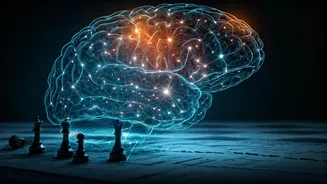
While AI can analyse market data and forecast financial outcomes with incredible speed, it cannot replace the nuanced, high-stakes decision-making and vision required of a Chief Executive Officer. A CEO's role is not just about interpreting data; it's
about inspiring teams, navigating complex stakeholder relationships, and taking ultimate accountability for an organisation's direction. These responsibilities are steeped in human skills that are, for now, beyond AI's reach. This includes ethical judgment, building a corporate culture, and showing leadership during a crisis. An AI can suggest a path, but it takes a human leader to weigh the ambiguous variables, make the tough judgment call, and rally people behind a vision. Executives themselves see AI as a powerful tool to assist decision-making, not a replacement for their strategic oversight. They use it to gain insights, but the final, accountable decision rests on their human shoulders.
The Empathetic Healer: Psychiatrist
Healthcare is a field often cited for its AI resistance, especially in roles requiring deep patient interaction. While AI can help diagnose conditions by analysing symptoms and medical records, the role of a psychiatrist goes far beyond pattern recognition. It is fundamentally built on empathy, trust, and the ability to understand complex human emotions—skills AI cannot genuinely replicate. A therapy session involves interpreting subtle non-verbal cues, understanding unspoken feelings, and building a long-term, trusting relationship that facilitates healing. These interactions are deeply personal and contextual. Patients seek not just a diagnosis, but a human connection that makes them feel seen and understood. High emotional intelligence is the cornerstone of this profession, making it one of the most secure high-paying jobs in the age of AI. AI may help with administrative tasks, but the core therapeutic alliance remains profoundly human.
The Hands-On Specialist: Surgeon
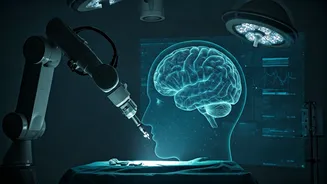
The idea of a robot performing surgery might seem like the peak of automation, but the reality is more complex. While AI-assisted robotics are becoming common in operating rooms, they are tools that augment a surgeon's skills, not replace them. The job of a surgeon combines years of medical knowledge with exceptional physical dexterity and the ability to make critical, split-second decisions under immense pressure. Each patient and procedure is unique, often presenting unforeseen complications that require creative problem-solving in real-time. A surgeon must be able to adapt to the unexpected, something pre-programmed systems struggle with. Furthermore, the role involves crucial human interaction, from consulting with patients and explaining risks to collaborating with the surgical team. The ultimate responsibility for a patient's life remains with the human surgeon, a burden of accountability AI cannot assume.