




Embrace Cooling Curds and Raitas
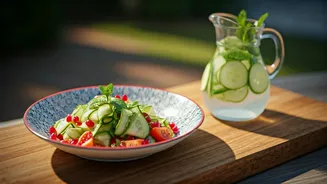
Yogurt, or dahi, is a summer staple in Indian households for a reason. It's a natural probiotic that aids digestion and has a cooling effect on the body. Instead of rich, cream-based gravies, turn to yogurt. A simple raita, packed with cucumber, tomato,
and onion, is a fantastic, low-calorie accompaniment to any meal. It adds flavour, moisture, and a dose of protein. For a heart-smart version, use low-fat yogurt and go easy on the salt, flavouring it instead with roasted cumin powder, fresh mint, and a pinch of black salt (kala namak). This simple swap reduces saturated fat and sodium while keeping the dish delicious.
Grill, Don't Fry Your Tikkas
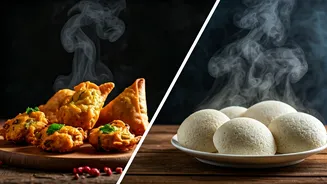
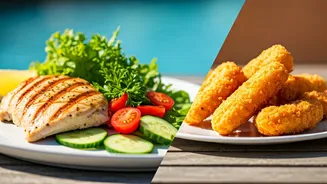
Who can resist the smoky aroma of tikkas and kebabs? The good news is that they can be incredibly heart-healthy. The trick is to change the cooking method. Instead of deep-frying pakoras or samosas, marinate lean proteins like chicken breast, fish, or paneer in spiced yogurt and grill or bake them. This method requires minimal oil, cutting down significantly on unhealthy fats. The marinade helps tenderise the protein while locking in flavour. Load up your skewers with colourful vegetables like bell peppers, onions, and tomatoes for added fibre and antioxidants.
Reimagine Your Dals
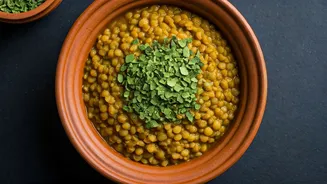
Heavy, tadka-laden dals can feel overpowering in the heat. Summer is the perfect time to switch to lighter lentils like moong or masoor dal. These cook quickly and are easier to digest. Prepare them with a simple tadka of cumin seeds, mustard seeds, and asafoetida (hing) in a minimal amount of ghee or heart-healthy oil like mustard oil. You can even serve them at a lukewarm temperature. A well-made moong dal, seasoned with turmeric and a squeeze of lemon juice, is not only comforting but also packed with plant-based protein and fibre, which are essential for heart health.
Make Salads the Main Event
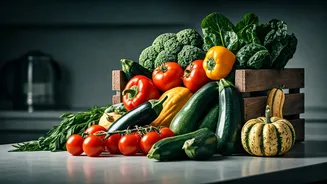
Indian cuisine has a wonderful tradition of fresh, crunchy salads, or 'kachumber'. Don't relegate them to a tiny side dish. Make them a star of your meal. A classic kachumber of finely chopped cucumber, onion, and tomato is a great start. But you can get more creative. Try a sprouted moong salad with pomegranate seeds and a tangy lemon dressing. Or a chickpea (chana) salad with boiled potatoes, spices, and tamarind chutney. These salads are hydrating, full of fibre, and provide complex carbohydrates and protein, keeping you full and energised without weighing you down.
Swap Grains for Lighter Alternatives
While rice is a staple, heavy rice-based dishes can feel lethargic in summer. Consider incorporating ancient grains and millets into your diet. Millets like foxtail (kangni) or barnyard (jhangora) can be cooked just like rice and serve as a wonderful, high-fibre alternative. Quinoa is another excellent, protein-rich option that works well in desi preparations like upma or pulao. Even with rice, opting for brown or red rice over white provides more fibre and nutrients. These complex carbs release energy slowly and support better blood sugar control, a key component of cardiovascular health.
Hydrate with Healthy, Homemade Drinks
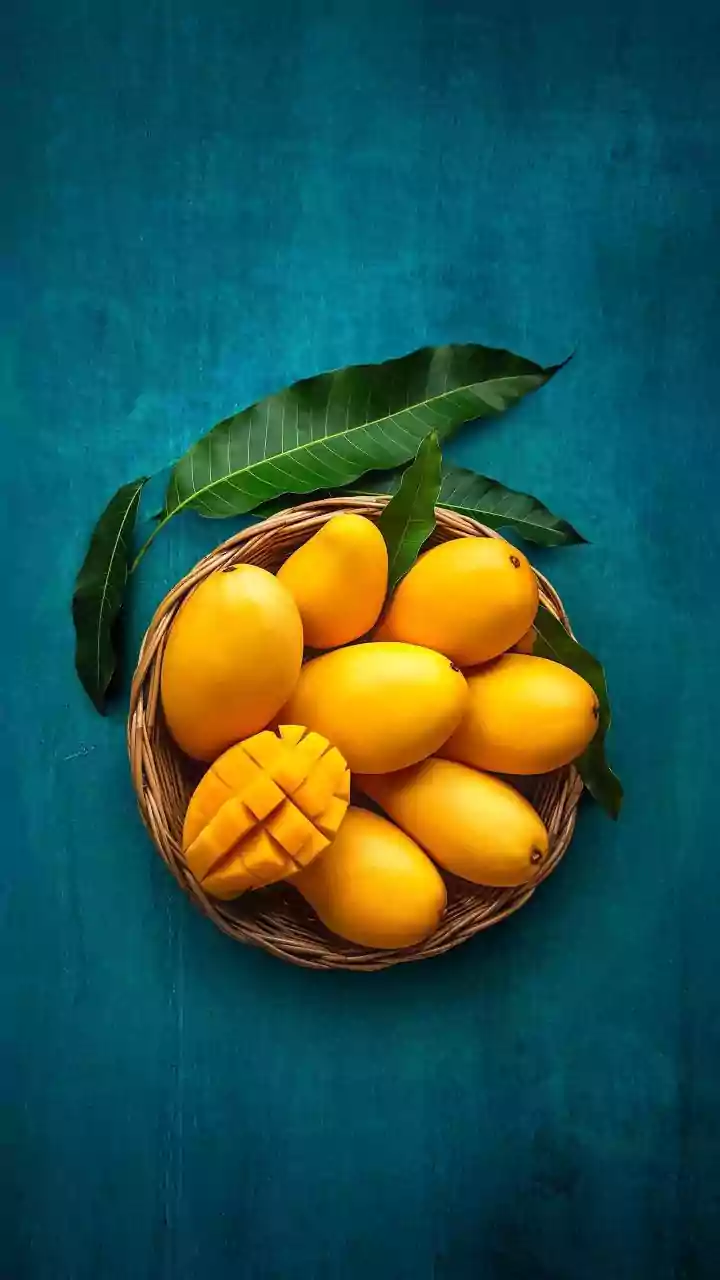
Staying hydrated is crucial in the summer, but sugary, store-bought juices and sodas are loaded with empty calories. Go back to basics with traditional Indian summer coolers. Buttermilk (chaas) seasoned with mint and cumin is a superb digestive and coolant. A simple nimbu pani (lemonade) made with fresh lemon juice, water, and a touch of salt and sugar (or a healthy sweetener) replenishes electrolytes lost through sweat. Another fantastic option is Aam Panna, made from raw mangoes, which is rich in vitamins and helps prevent heat stroke. Making these at home allows you to control the sugar content, making them a truly healthy choice.