

Why Pre-Trek Checks Are Crucial
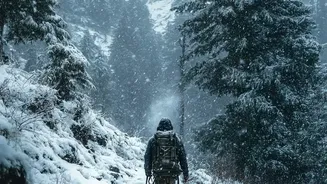
The winter of 2026-27 is a reminder that mountain weather and local regulations are dynamic. Snowfall, which transforms landscapes, also dictates which trails are accessible. Heavy snow can lead to road closures and trail blockades, sometimes for days.
For example, in January 2026, heavy snowfall closed over 1,200 roads across Himachal Pradesh. Furthermore, local authorities in states like Uttarakhand and Ladakh enforce rules regarding permits, guides, and medical checks to ensure safety. The status of a trek can change with little notice due to weather or administrative decisions, as seen with the suspension of the Chadar Trek in January 2026 due to unsafe ice conditions. Therefore, verifying access just before your trip is not just recommended—it's essential.
How to Verify Trail Access
Before you book flights or finalise plans, use a multi-pronged approach to check conditions. Start with the websites of state tourism departments and forestry divisions. Reputable trekking operators who have teams on the ground are invaluable sources for real-time updates. Many publish daily or weekly status reports on their websites, covering weather, trail conditions, and batch progress. For official alerts, monitor bulletins from the India Meteorological Department (IMD) and the National Disaster Management Authority (NDMA). If a trek requires permits, such as Kedarkantha which lies in Govind Wildlife Sanctuary, confirm the procedure with your chosen operator, as they often handle the paperwork. Always have the contact details for local authorities and your trek operator handy.
Popular Uttarakhand Treks: 2026-27 Outlook
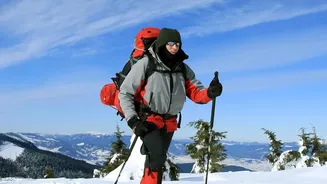
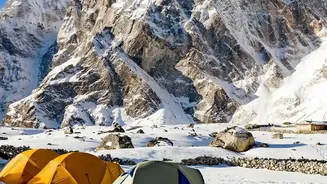
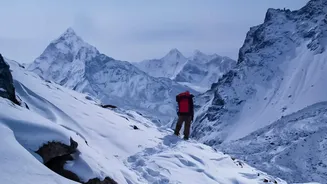
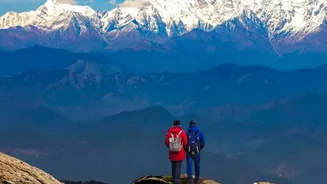
Uttarakhand remains the epicentre of Indian winter trekking, with several reliable options. The peak snow season generally runs from late December through February.Kedarkantha: Often called the 'Queen of Winter Treks', this is an excellent choice for first-timers seeking a summit experience at around 12,500 feet. Expect reliable snow from December to April. Permits are mandatory and usually arranged by operators at the Sankri checkpost.Brahmatal: Known for its stunning views of Mt. Trishul and Nanda Ghunti, and the chance to camp beside a frozen alpine lake, Brahmatal is a great second trek. The trail is typically accessible from December to March, with base camp at Lohajung.Dayara Bugyal: One of the most beautiful high-altitude meadows, this trek is considered easy-to-moderate and family-friendly. It offers vast, rolling snowfields and is accessible from the village of Raithal.Kuari Pass: For those prioritising panoramic views of major peaks like Nanda Devi, Kuari Pass is an excellent choice. It's a moderate trek, also accessible during the core winter months.
Himachal Pradesh and Ladakh: Key Considerations
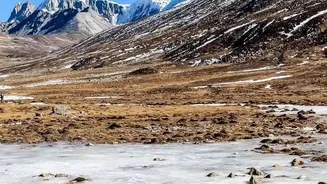
Winter trekking options in Himachal Pradesh are more limited compared to Uttarakhand. Higher passes like Hampta Pass, Sar Pass, and Bhrigu Lake are closed and unsafe from December to February. Lower-altitude treks like Triund and some routes in the Parvati Valley may remain open, but access is highly conditional on snowfall. Roads like Rohtang Pass are typically shut from mid-November to May. Always check with Manali-based operators for the latest on-ground status, as conditions can be unpredictable.In Ladakh, the famed Chadar Trek on the frozen Zanskar River is the main winter draw. However, its operation is entirely dependent on the river freezing to a safe thickness. The trek was suspended in 2026 due to poor ice formation. The 2027 season will only be announced by the Ladakh administration after on-site inspections close to January. Independent trekking is not allowed, and all participants must undergo a mandatory medical check-up in Leh.
Beyond the Himalayas: Other Winter Options
For those looking to trek without the extreme cold and snow, South and West India offer fantastic winter trails. In Maharashtra, the highest peak, Kalsubai, and the forts of Harishchandragad are popular between October and March. In Karnataka, the grasslands of Kudremukh National Park provide a beautiful trekking experience, though it requires advance permission. These treks offer a different kind of winter beauty, with cooler temperatures and clear, post-monsoon landscapes.