



The Purpose of Pace
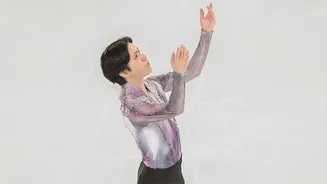
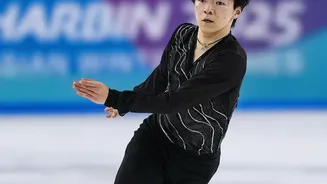
At first glance, skating and Tai Chi could not be more different. One is often about swift, powerful glides, and the other is defined by its deliberate, slow-motion flow. The speed in skating—whether on ice or with inline skates—is about generating and managing
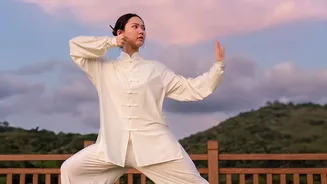
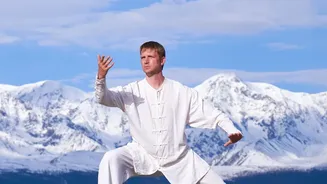
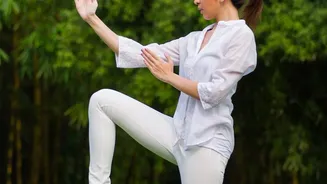
momentum. It’s a cardiovascular workout designed for efficiency, where smooth, powerful pushes create the sensation of flight. The goal is often covering distance or achieving a thrilling pace. In contrast, the slowness of Tai Chi is its central feature. Rooted in Daoist philosophy, it is often called 'meditation in motion'. This practice isn't about getting somewhere quickly, but about cultivating internal awareness, balance, and energy, known as 'qi'. The slow pace is intentional, forcing the practitioner to unite mind and body, feel every subtle shift in weight, and move with complete coordination.
Cardiovascular and Muscular Impact
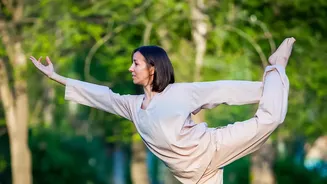
The different speeds translate into vastly different physical benefits. Skating is a formidable low-impact cardio exercise, burning a significant number of calories and strengthening the heart. It’s exceptional for building powerful lower-body muscles, particularly the glutes, thighs, and calves, while also engaging the core for stability. In contrast, Tai Chi is a gentle, low-impact exercise that is accessible to people of nearly any age or fitness level. Its slowness is deceptive; by moving deliberately, muscles are held under tension for longer periods, which builds lean muscle, endurance, and remarkable stability. While skating excels at explosive power and aerobic fitness, Tai Chi excels at improving joint mobility, flexibility, and the strength of the small stabiliser muscles that are crucial for preventing falls.
The Mental Game: Flow vs. Mindfulness
Both disciplines can lead to a profound state of mental focus, but they arrive there via different routes. The speed and rhythm of skating can induce a 'flow state', a concept described by psychologist Mihaly Csikszentmihalyi. In this state, the mind is fully absorbed in the activity, and worries seem to melt away as movement becomes intuitive and automatic. It's a feeling of being 'in the zone', where the external world fades and you are one with the motion. Tai Chi cultivates a different but related state: active mindfulness. The slow, controlled nature of the practice demands complete attention to the present moment—the breath, the posture, the sensation of movement. This moving meditation quiets the 'mental chatter', reduces stress, and enhances body awareness. Instead of the exhilarating escape of flow, Tai Chi offers a deep, calming connection to the self, with studies showing it can lower stress hormones and improve mood.
Which Speed Is Right for You?
Choosing between the dynamism of skating and the tranquility of Tai Chi depends entirely on your personal goals. If you are seeking a high-energy, heart-pumping workout that offers a sense of freedom and speed, skating is an excellent choice. It provides a fun and effective way to build cardiovascular health and lower-body strength. If your aim is to reduce stress, improve your balance and flexibility, and cultivate a stronger mind-body connection through a gentle, meditative practice, Tai Chi is unparalleled. It's also a highly recommended activity for improving balance and preventing falls, particularly as we age. Ultimately, one is not better than the other; they are simply different tools for wellness, one using speed to challenge the body and the other using slowness to focus the mind.