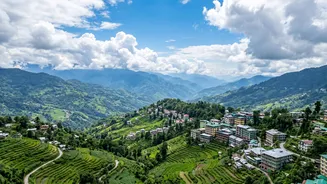






Swapping Burnout for Breathtaking Views
For years, the career path for a promising tech worker in India was straightforward: move to a major metropolitan hub like Bengaluru, Hyderabad, or Pune. But the relentless pace, traffic congestion, high cost of living, and pollution have led to widespread
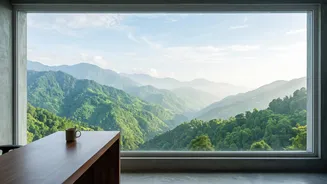
burnout. Now, a growing cohort is making a radical choice, trading the concrete jungle for the clean air and serene landscapes of Gangtok. This shift is not just about escaping the city; it’s about finding a sustainable pace of life where career ambitions don't come at the cost of well-being. The promise of waking up to views of Kanchenjunga instead of a congested street is a powerful motivator for professionals seeking a better work-life balance.
The Non-Negotiable: High-Speed Connectivity
The dream of working from the mountains would remain just that without one critical element: reliable internet. Historically, this was the biggest barrier to remote work in hill stations. However, Gangtok has seen a significant infrastructure upgrade. Major providers like Jio, Airtel, and even fiber services from Tata Play and local companies now offer high-speed broadband with speeds up to 1 Gbps. Dedicated co-working and co-living spaces ensure this connectivity is stable, providing power backups to handle any disruptions—a crucial feature for anyone on a deadline. These hubs have made Gangtok a viable, professional environment, not just a scenic getaway.
The Cost-of-Living Advantage
One of the most compelling arguments for moving to Gangtok is the financial relief it offers. Compared to metros, the cost of living is significantly lower. For example, housing in Delhi is substantially more expensive than in Gangtok. A one-bedroom apartment in Gangtok's city center can cost around ₹6,000, a fraction of what one would pay in a major metro. This economic advantage allows tech workers to save more, live better, and enjoy a higher quality of life on the same salary. Monthly expenses for a single person can be managed comfortably, leaving more disposable income for leisure and travel.
Curated Communities, Not Lonely Desks
Remote work can be isolating, but Gangtok's co-living hubs are specifically designed to combat this. Spaces like Sanctorum, Gangtok Co-Work, and others provide more than just a desk; they cultivate a community. These hubs host networking events, workshops, and social gatherings, creating a vibrant ecosystem for like-minded professionals. This built-in community is a major draw, offering the social and professional interaction of a big-city office but in a more relaxed and collaborative setting. For many, it’s the perfect solution, combining the independence of remote work with the camaraderie of a team.
A Lifestyle Upgrade: Beyond the 9-to-5
Perhaps the most significant pull of Gangtok is the lifestyle it enables outside of work hours. The city's clean, safe, and walkable environment is a stark contrast to the chaos of urban centers. Weekends are no longer about navigating crowded malls; they’re about trekking through rhododendron forests, exploring ancient monasteries, or simply enjoying a coffee at a cafe with a mountain view. This seamless integration of work, life, and nature is redefining what success looks like for a new generation of tech professionals, who are proving that a great career doesn't have to be confined to a cubicle in a megacity.