


The Magic of the Monsoon
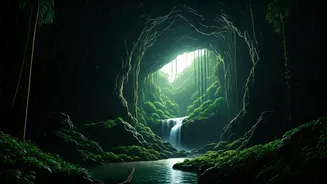
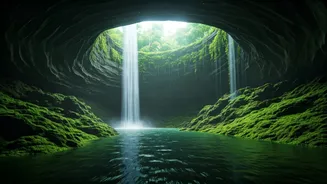
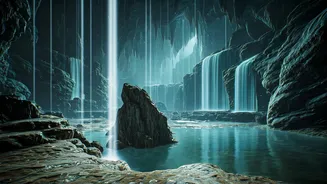
Forget the idea of dreary, damp enclosures. During the monsoon, many of India’s caves undergo a spectacular transformation. The steady drumming of rain on the surface translates into a symphony of drips, streams, and even roaring waterfalls deep within
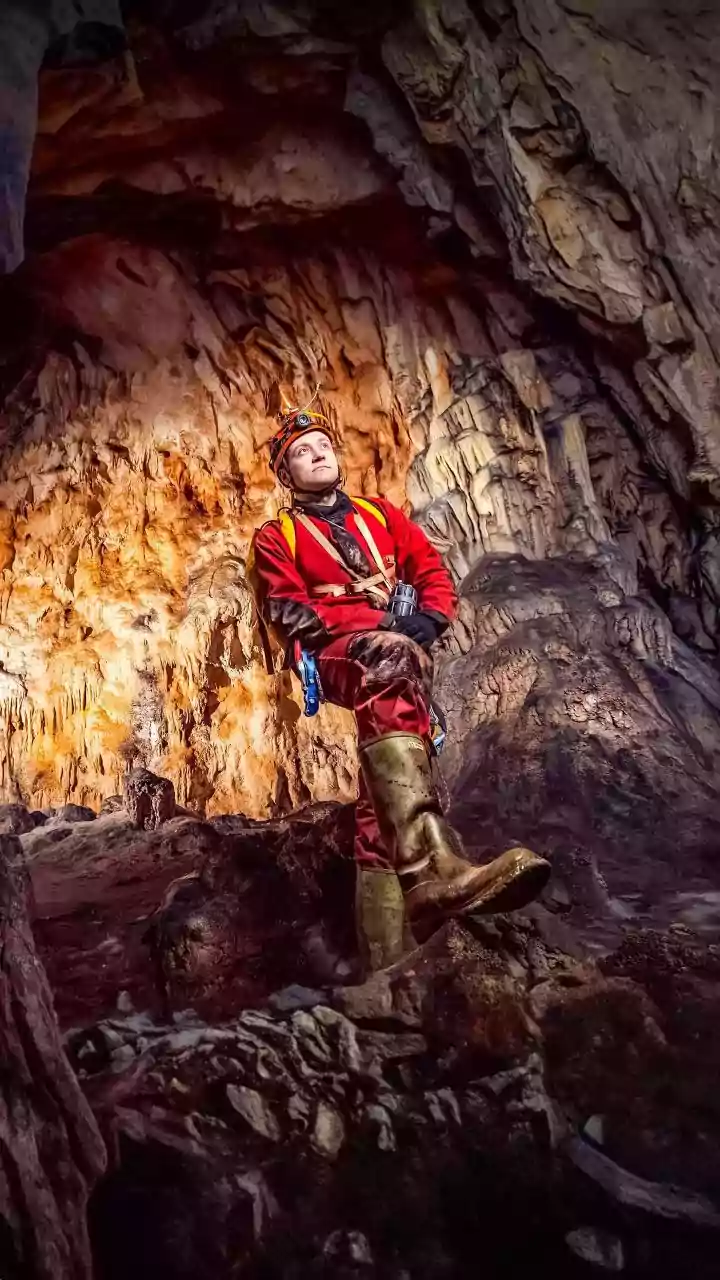
the earth. Stalactites and stalagmites, usually dry and dormant, glisten with a fresh coat of mineral-rich water, creating an ethereal shimmer under the beam of your headlamp. This seasonal influx of water carves new, temporary pathways and breathes life into the cave’s ecosystem. The air becomes cooler, charged with the smell of wet earth and limestone. It’s not just caving; it’s witnessing a geological process in real-time, a dynamic performance put on by nature itself.
Meghalaya: Where Waterfalls Roar Underground
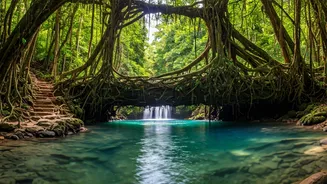
Nowhere is this monsoon upgrade more evident than in Meghalaya, the ‘Abode of the Clouds’. Home to some of the longest and most complex cave systems in Asia, this state becomes a caver’s paradise from June to September. While many of the wild, deeper caves are off-limits due to flooding, the more accessible 'show caves' offer an unforgettable spectacle. Mawsmai Cave, near Cherrapunji, becomes a veritable wonderland. Water streams down its limestone walls, forming underground pools and rivulets that you navigate on well-laid paths. The famous Arwah Cave in Sohra is another marvel, where the rains reveal ancient fossils embedded in the walls, washed clean by the flowing water. The experience is multi-sensory: the echoing sound of water, the cool mist on your skin, and the sight of light catching millions of water droplets.
The Western Ghats' Hidden Gems
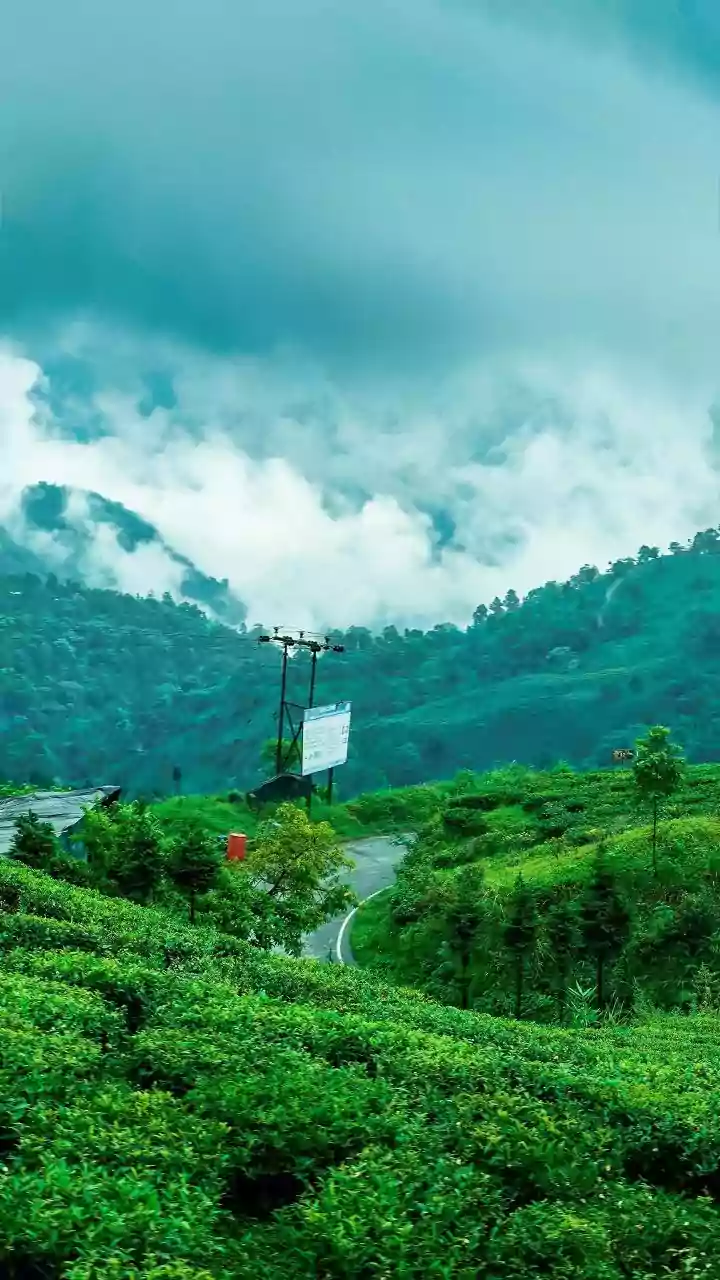
While Meghalaya holds the crown for wild caving, the monsoon also adds a dramatic flair to the rock-cut caves of the Western Ghats, particularly in Maharashtra. Ancient Buddhist sites like the Karla and Bhaja Caves, carved into hillsides near Lonavala, are set against a backdrop of stunning seasonal waterfalls and lush, emerald-green landscapes. While these are not deep, subterranean networks, the journey to them becomes an adventure in itself. Trekking through misty trails and hearing the roar of cascades all around you before entering the serene, carved prayer halls is a profoundly spiritual and beautiful experience. The caves offer shelter from the downpour, allowing you to sit in quiet contemplation while watching the rain blanket the world outside. It's a different kind of cave adventure—one that combines history, spirituality, and the raw beauty of the monsoon.
Safety is Your Most Important Gear
The allure of monsoon caving comes with a critical caveat: it requires caution and preparation. Water levels can rise unexpectedly, and surfaces become extremely slippery. Never attempt to explore a wild cave during the monsoon without a certified, experienced local guide. These professionals understand the water systems, know which routes are safe, and can read the weather signs. For more accessible caves like Mawsmai, stick to the designated pathways and follow all instructions from staff. Your gear list should include sturdy, waterproof footwear with excellent grip, a reliable waterproof headlamp with extra batteries, and quick-dry clothing. Avoid caves known for flash floods and always check the local weather forecast before setting out. The ‘upgrade’ is only an upgrade when it’s done safely.