
What is the Shukrayaan Mission?
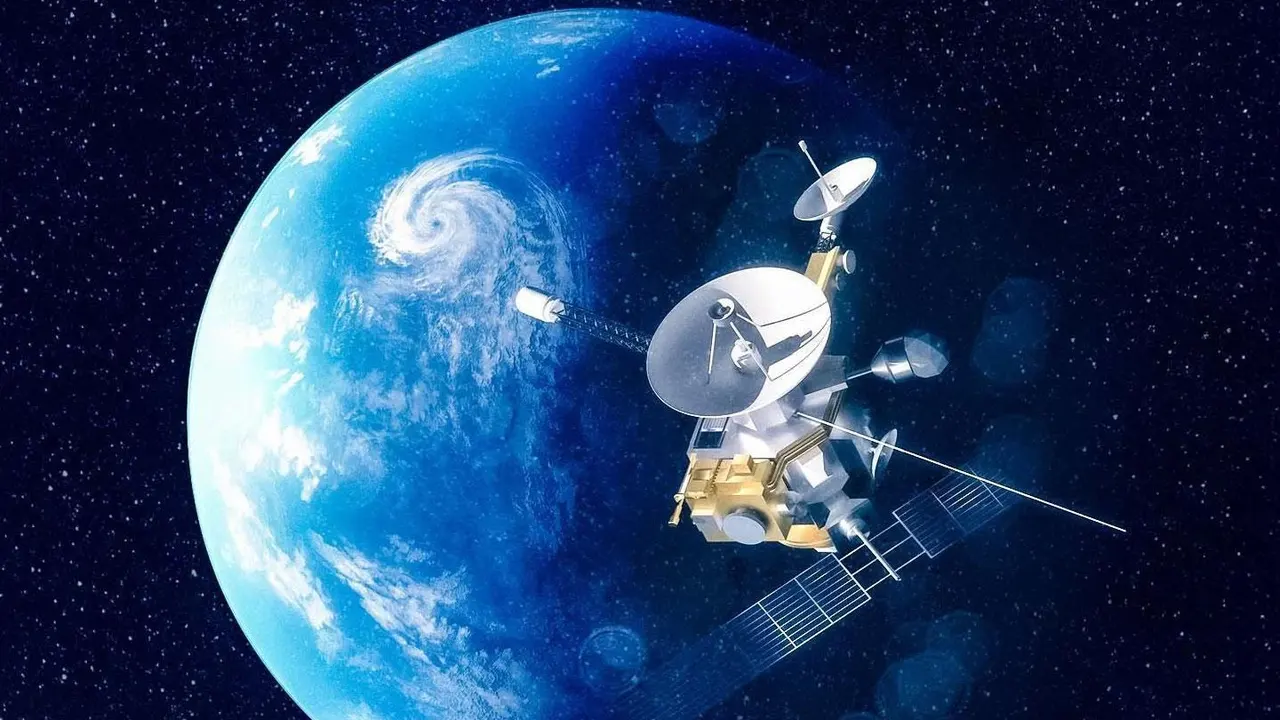
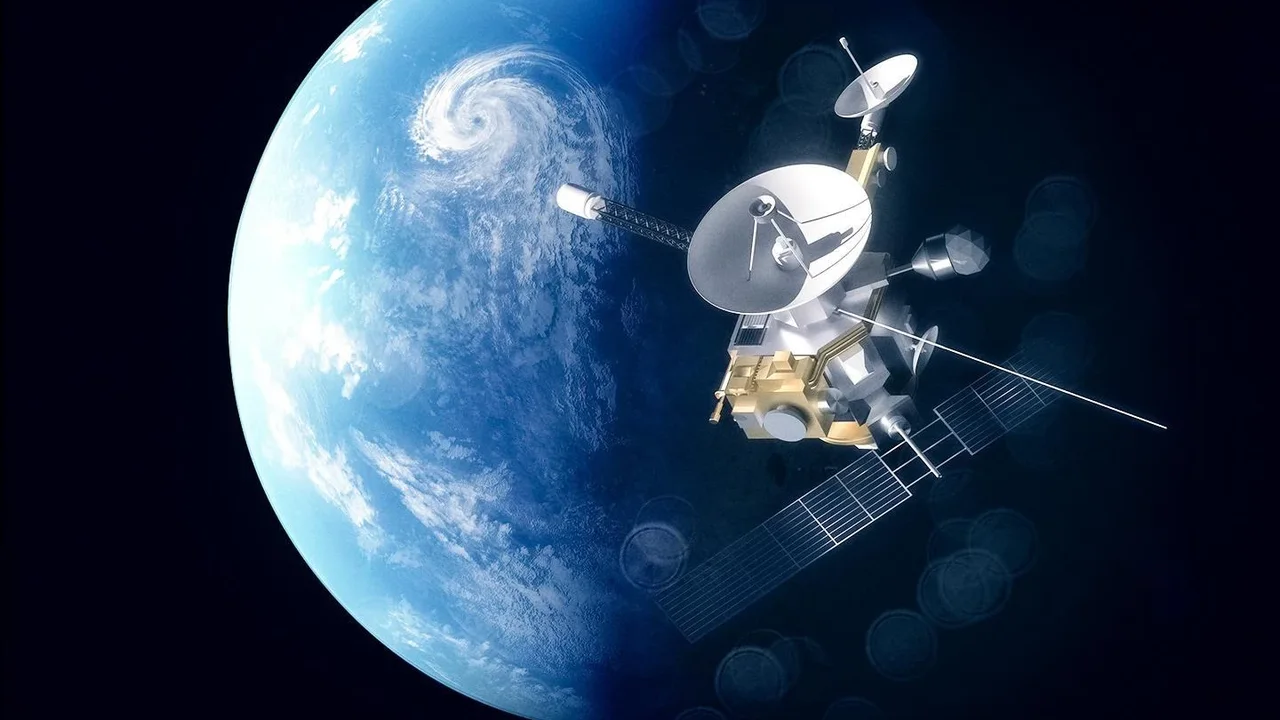
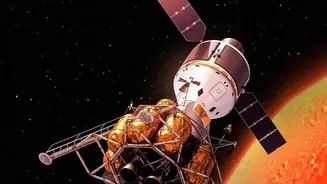
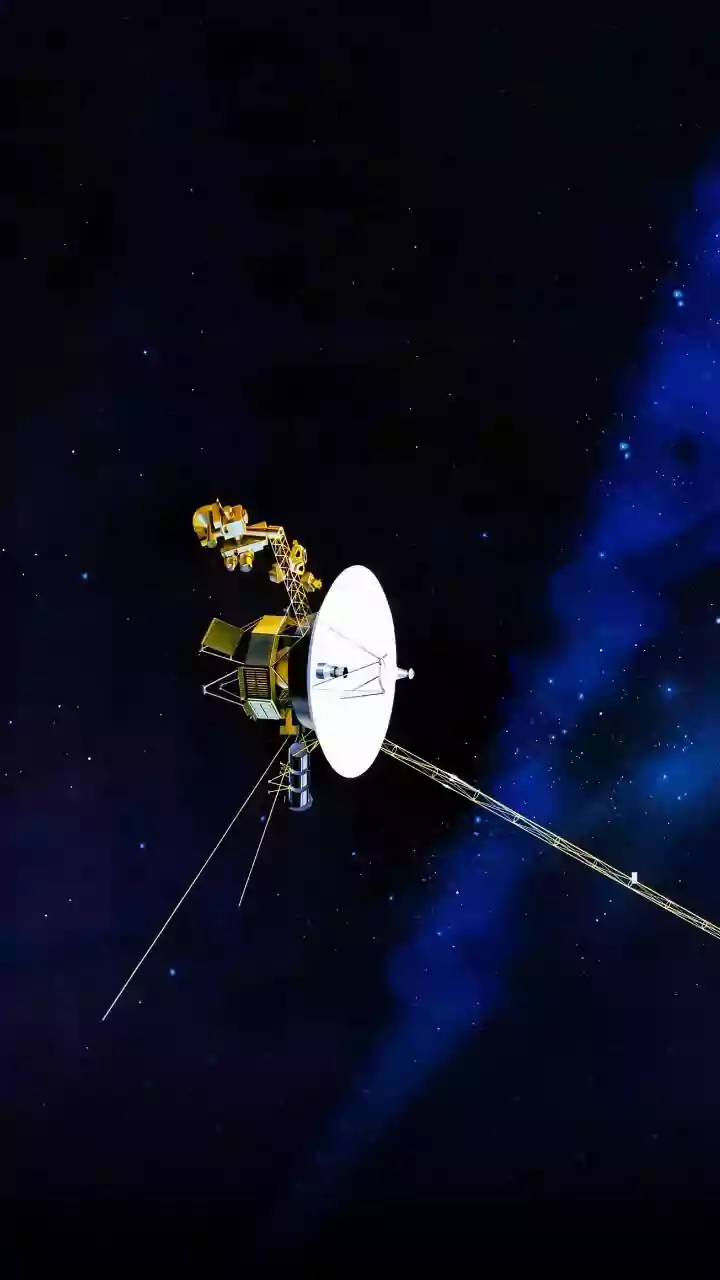
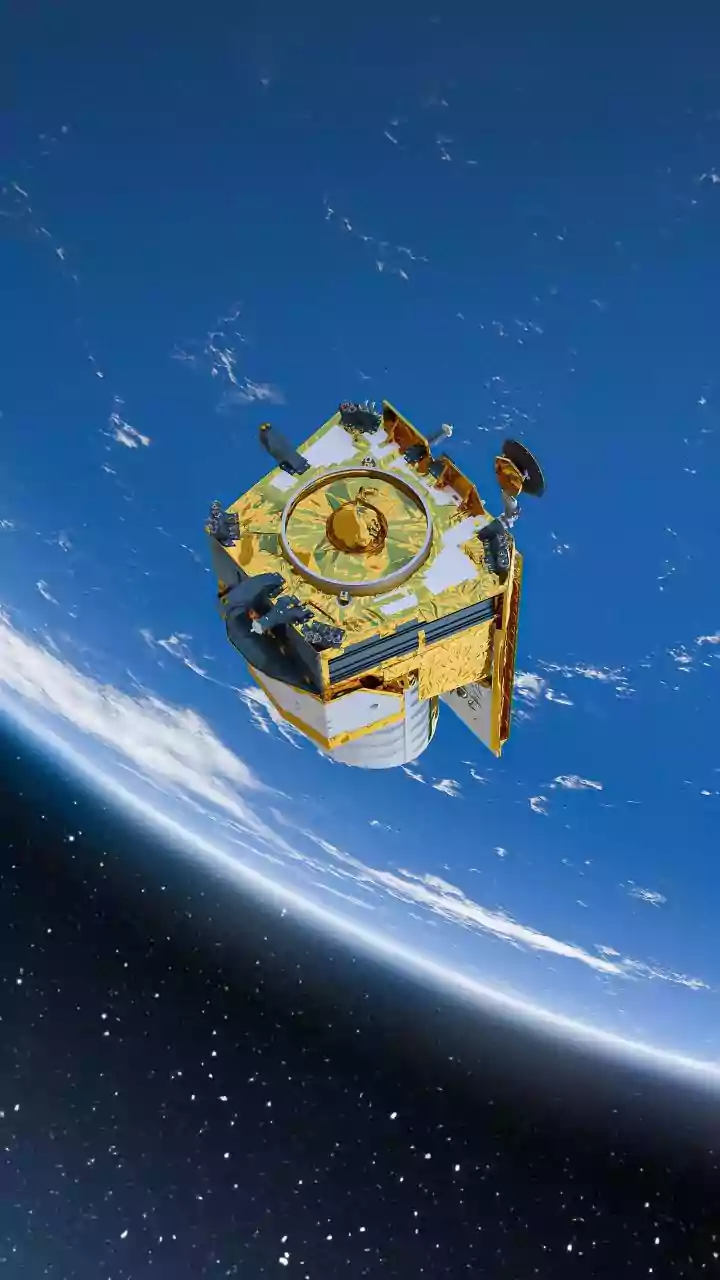
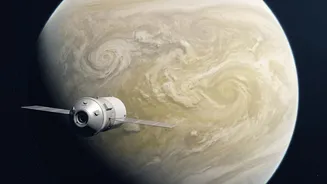
Shukrayaan, which translates from Sanskrit as 'Venus Craft', is the official name for the Indian Space Research Organisation's (ISRO) planned Venus Orbiter Mission. Following the historic successes of Mangalyaan (Mars Orbiter Mission) and Chandrayaan
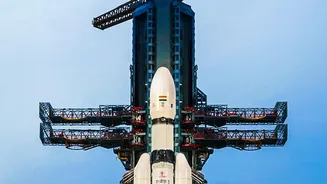
(lunar missions), this will be India's first dedicated mission to Venus and its second interplanetary venture. Formally approved by the Indian government on September 18, 2024, the mission is a major step in the nation's ambitious space exploration roadmap. The orbiter is scheduled to launch aboard the powerful LVM-3 rocket on March 29, 2028. After a 112-day journey, it is expected to enter a highly elliptical orbit around Venus on July 19, 2028, commencing a multi-year study of the planet.
Venus: Earth's 'Evil Twin'
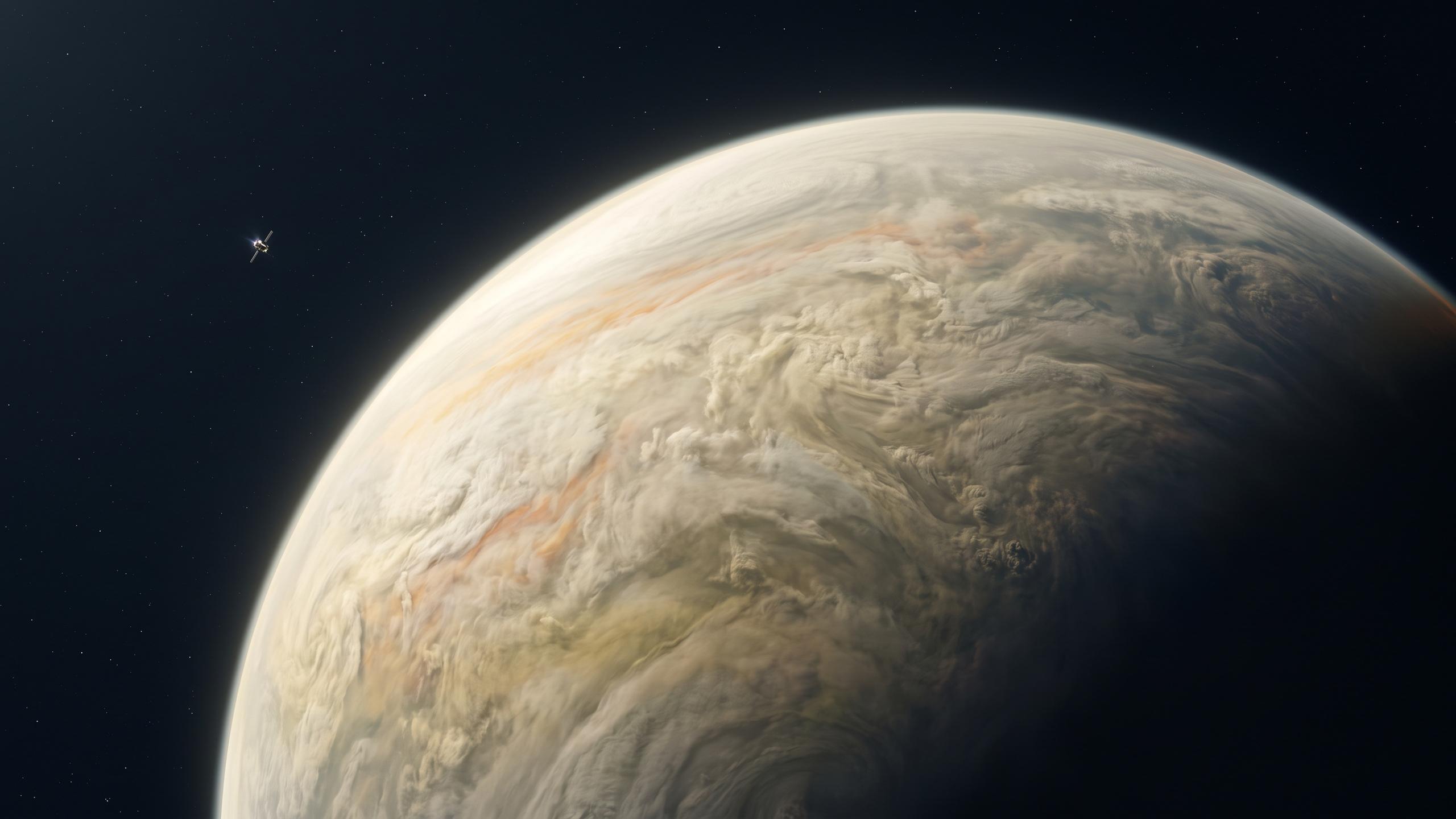
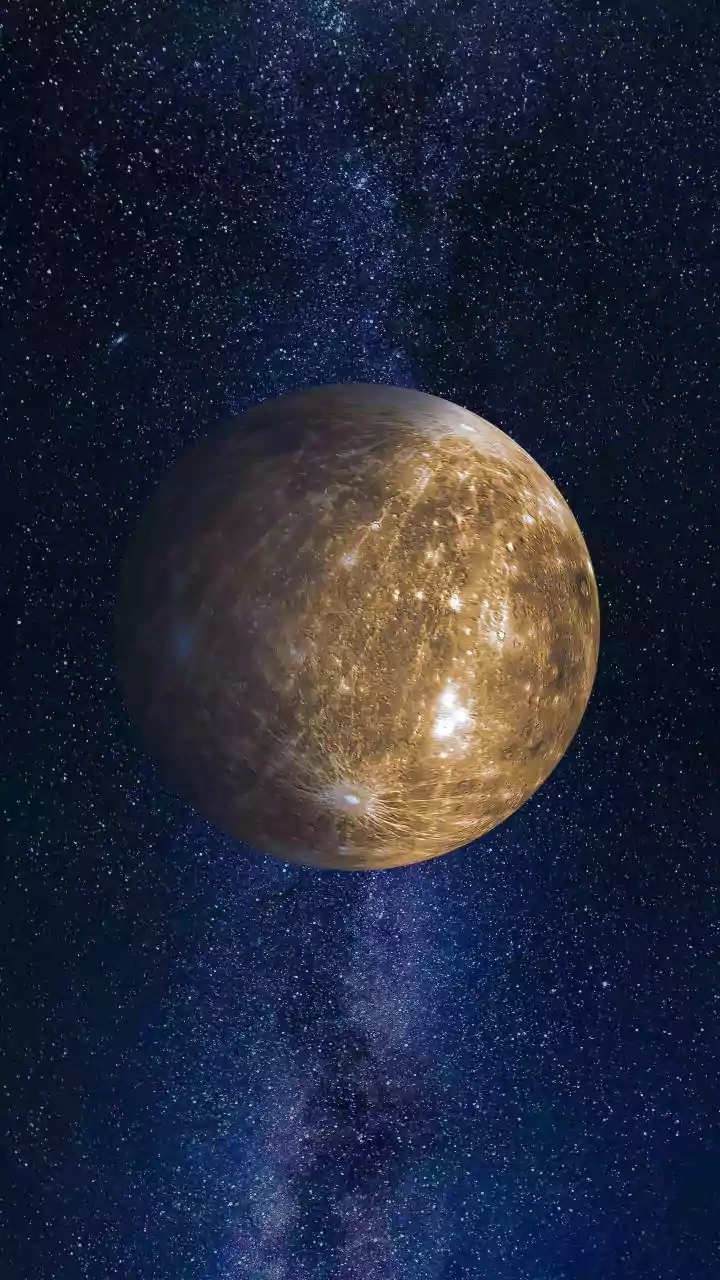
Venus is often called Earth's twin due to its similar size and mass, but the comparison ends there. It is the hottest planet in our solar system, with a surface temperature that can melt lead and a crushing atmospheric pressure over 90 times that of Earth's. The planet is shrouded in a thick, opaque blanket of sulfuric acid clouds, which has made studying its surface incredibly difficult. Scientists are fascinated by Venus because it may have once been more Earth-like, with liquid water oceans. Understanding how and why it transformed into its current hellish state—a process known as a runaway greenhouse effect—can provide crucial insights into planetary evolution and even climate change on our own world.
Probing the Cloud Chemistry
A primary objective of Shukrayaan is to investigate the complex chemistry of Venus's atmosphere. The mission will carry a suite of instruments designed to analyse the structure, composition, and dynamics of its thick cloud cover. These instruments will study the mysterious 'super-rotation' of the Venusian atmosphere, where the clouds circle the planet far faster than the planet itself rotates. One of the key areas of focus will be the sulfuric acid clouds, including their formation, the unidentified substance that absorbs ultraviolet radiation within them, and the overall atmospheric dynamics. Some scientists have even speculated that microbial life could potentially exist in the more temperate upper layers of the clouds, making the study of its chemistry a tantalizing prospect.
The Scientific Toolkit on Board
Shukrayaan will carry a payload of about 100 kg, comprising 19 scientific instruments from India and international partners, including Russia, Sweden, and Germany. The flagship instrument is a high-resolution Synthetic Aperture Radar (SAR), which can pierce through the dense clouds to map the Venusian surface with unprecedented detail, searching for active volcanoes and lava flows. It will also carry the first-ever ground-penetrating radar to study the planet's sub-surface geology. Other instruments, like the Venus Thermal Camera and various spectrometers, will analyse thermal emissions, monitor cloud patterns, and study the interaction between the solar wind and the Venusian ionosphere, providing a comprehensive picture of the planet's environment.
Significance for India and the World
The Shukrayaan mission is more than just a scientific expedition; it is a statement of India's growing prowess in deep-space exploration. By successfully sending an orbiter to Venus, ISRO will join an elite club of space agencies that have explored the second planet from the Sun. The mission will demonstrate advanced technologies, including aerobraking—a technique using a planet's atmosphere to slow down and save fuel. The data gathered will not only be invaluable for Indian scientists but will also contribute to the global understanding of Venus, complementing missions planned by NASA and the European Space Agency. It reinforces India's reputation for conducting cost-effective and scientifically rich interplanetary missions, building on the legacy of Mangalyaan.