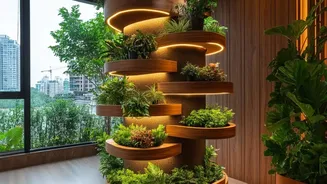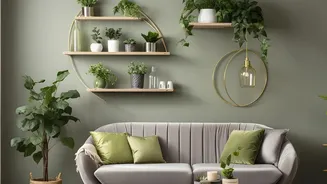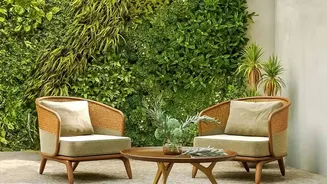






Transform a dull wall into a living piece of art. Vertical gardens, or living walls, are a brilliant way to bring the beauty of nature indoors, especially in urban homes where space is a luxury. They purify the air and boost your mood.
The Benefits of Going Vertical
Before you start,
it’s worth knowing why living walls are such a great addition to any home. The most obvious benefit is aesthetic appeal; a lush wall of greenery adds texture, colour, and life to your decor. But the advantages go beyond looks. Indoor plants are known to improve air quality by filtering pollutants and converting carbon dioxide into oxygen. They can also help absorb sound, making your space quieter and more serene. Plus, vertical gardens are incredibly space-efficient, allowing you to cultivate a stunning collection of plants without sacrificing precious floor space.
Choosing Your Vertical Garden System
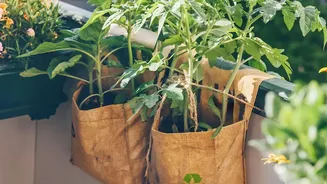
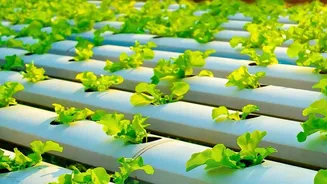
There are several types of vertical garden systems, each with its own pros and cons. The simplest are pocket or container-style systems, which use fabric pockets or individual pots mounted on a frame. These are great for beginners and allow for easy plant replacement. Modular or panel systems involve pre-planted panels that are mounted to the wall, offering a more seamless look but often requiring more complex installation. For the tech-savvy, hydroponic systems grow plants in nutrient-rich water without soil, which can be low-maintenance once set up. Your choice will depend on your budget, DIY comfort level, and the look you want to achieve.
Selecting the Right Plants
Choosing the right plants is crucial for a thriving indoor vertical garden. Look for species that tolerate a range of light conditions and don't mind being in smaller containers. Pothos (Money Plant) and Heartleaf Philodendron are excellent choices as they are hardy, low-light tolerant, and have beautiful trailing vines. Spider Plants are another adaptable option known for their air-purifying qualities and cascading baby 'spiderettes'. For humid areas like bathrooms, Boston Ferns are a perfect fit. If your wall gets plenty of bright, indirect sunlight, you might consider succulents, though be careful not to overwater them. In India, plants like Syngonium and certain Dracaena varieties also do very well indoors.
Installation Made Easy
Setting up your vertical garden doesn't have to be complicated. First, choose a wall that can support the weight of the system, soil, plants, and water. It’s always best to fix mountings into wall studs or solid masonry for security. Most ready_made kits, like mesh grids or modular planters, come with detailed instructions and mounting hardware. A critical step is ensuring your wall is protected from moisture. Many systems have a built_in waterproof backing, but adding an extra waterproof layer is a wise precaution. Once the structure is secure, you can fill the containers with a high_quality potting mix and start placing your plants.
Care and Maintenance Tips
Once established, your living wall needs consistent care to flourish. Watering is the most important task. Smaller containers dry out quickly, so check the soil moisture regularly. For larger walls, a drip irrigation system can be a lifesaver, delivering water evenly from the top down. If watering manually, be careful not to oversaturate the soil. Periodically trim away any dead or yellowing leaves to encourage new growth and keep the wall looking tidy. It's also important to check for pests and ensure there's good air circulation around the wall to prevent fungal issues. Finally, feed your plants with a balanced liquid fertiliser every few weeks during the growing season to keep them vibrant and healthy.