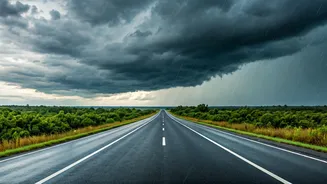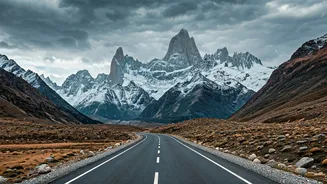




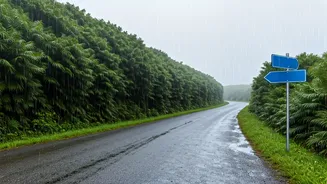



An Unpredictable Monsoon Season
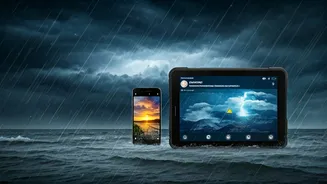
This year, the monsoon's behaviour is a mixed bag, making advance planning more critical than ever. While the overall forecast for some regions might suggest below-normal rainfall, the India Meteorological Department (IMD) has repeatedly warned of short,
intense spells of very heavy rain in localised areas. This pattern is particularly dangerous in the Himalayas. As of late June 2026, the southwest monsoon is advancing into northern states like Uttarakhand and Himachal Pradesh. Authorities have issued alerts for heavy rainfall, thunderstorms, and gusty winds, highlighting the increased risk of landslides and flash floods. Recent incidents in the northeastern states, with heavy rains triggering floods and landslides, serve as a stark reminder of how quickly conditions can change. These events aren't just statistics; they lead to road closures, stranded tourists, and, in the worst cases, tragic accidents.
Your First Stop: Decoding IMD Alerts
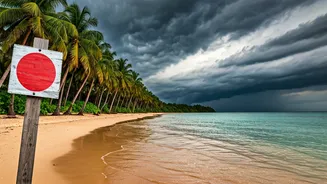
Before you even think of booking, your first port of call should be the India Meteorological Department (IMD). Their website and official social media handles provide crucial, district-specific weather warnings. Understanding their colour-coded alerts is key. A 'Green' alert means no severe weather is expected. 'Yellow' asks you to be updated, as it indicates the possibility of severe weather. An 'Orange' alert is a call to be prepared, as extremely bad weather is likely, which can disrupt travel and daily life. A 'Red' alert is a warning to take action, signifying a high probability of extremely severe weather that poses a threat to life and property. For a hill-station trip, anything above a Yellow alert for your destination or the routes leading to it should prompt a serious re-evaluation of your plans.
Beyond Weather: Checking Local Advisories
A weather forecast tells only part of the story. You also need on-the-ground information. This is where state and district disaster management authorities come in. Their websites and social media accounts often provide real-time updates on road conditions, landslides, and local safety guidelines. Furthermore, the social media handles of state and district police are invaluable resources. They frequently post updates on traffic flow, road blockages, and alternative routes. For example, police in Shimla and other popular towns often manage traffic diversions during peak tourist season or bad weather, and their updates can save you hours of being stuck in a jam. Checking these local sources gives you a much clearer picture of the actual situation you are likely to face.
The Reality of Roads and Traffic
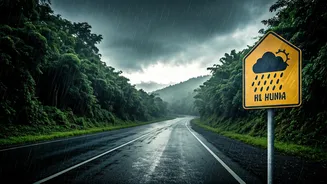
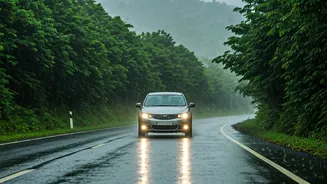
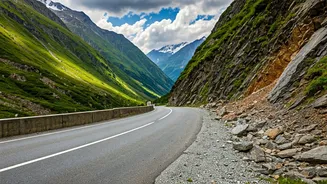
Mountain roads are the arteries of hill travel, and during the monsoon, they are notoriously fragile. Key highways like the Chandigarh-Manali National Highway, especially the Mandi-Pandoh stretch, and parts of the Shimla-Kinnaur highway are highly prone to landslides and rockfalls. Even without heavy rain, the sheer volume of tourist vehicles can lead to gridlock, as seen in Shimla where nearly 1.85 million vehicles entered in May and June alone. Before you self-drive, honestly assess your experience with mountain driving in wet conditions. Roads become slippery, visibility can drop to near-zero in fog, and navigating around a landslide or a flash flood requires immense skill and calm. If you are not confident, hiring an experienced local driver who knows the terrain and its risks is a much safer bet.
Rethink Your Itinerary and Pack Smart
A rigid itinerary is your enemy during the monsoon. Build buffer days into your schedule to account for unexpected delays from road closures. Be prepared to change your plans entirely if a serious weather alert is issued. Some destinations are inherently riskier than others during heavy rain. Areas with a history of landslides, such as parts of Wayanad or Manali's surrounding valleys, might be best avoided in favour of safer alternatives. Your packing should reflect the conditions: waterproof jackets and bags are non-negotiable. Carry a power bank, a first-aid kit, essential medicines, and some non-perishable snacks and water. Crucially, download offline maps of your route, as mobile networks can be unreliable in remote areas, especially during bad weather.