



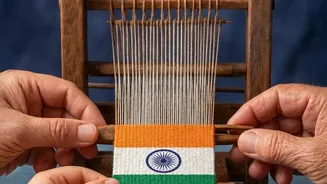
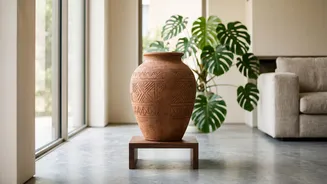
Look inside the modern Indian urban home, and you'll notice a quiet but powerful shift. The era of generic, mass-produced decor is fading, replaced by a renewed appreciation for pieces that tell a story: our own. But why now?
A Quest for Authenticity
In a world saturated with
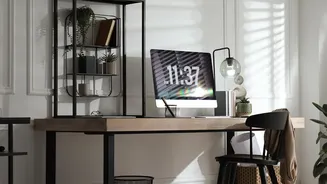
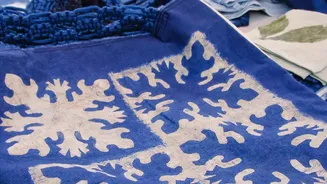
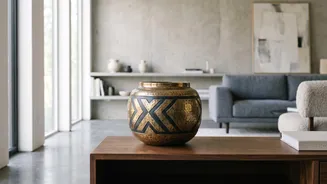
digital feeds and fast-fashion aesthetics, there is a growing fatigue with sameness. Younger consumers, in particular, are seeking a deeper connection to their roots and identity. They are rejecting cookie-cutter catalogue looks in favour of items with history, character, and a tangible human touch. This has led to a pivot from global minimalist trends to what can be described as 'warm minimalism' or 'Indian eclecticism'—spaces that are clean and modern but enriched with soulful, culturally significant accents. A hand-carved wooden jharokha, a Kalamkari print, or a single piece of handmade pottery offers a story and a sense of individuality that mass-produced items cannot replicate.
The Rise of the Conscious Consumer
This revival is not just about aesthetics; it is deeply tied to a change in values. Today's buyers, especially millennials and Gen Z, are more conscious than ever about where their products come from. They prioritise sustainability, ethical production, and supporting local artisan communities. Many traditional Indian crafts utilise natural, eco-friendly materials like bamboo, jute, terracotta, and vegetable dyes, which aligns perfectly with this growing desire for responsible consumption. Choosing a handcrafted item is seen as an investment in preserving a living tradition, ensuring fair wages for artisans, and making an environmentally sound choice. It transforms a simple purchase into a meaningful act of support.
Social Media and the New-Age Artisan
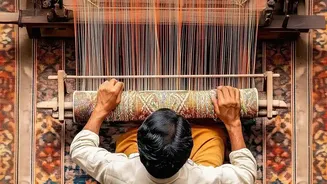
Digital platforms have played a transformative role in this resurgence. Social media sites like Instagram and Pinterest have become virtual galleries, allowing artisans and design studios to showcase their work to a global audience without relying on traditional intermediaries. These platforms have made it easier for consumers to discover unique crafts—from the intricate weaves of Nagaland to the vibrant block prints of Kutch—and connect directly with the creators. This digital bridge has not only democratised access to heritage crafts but has also empowered a new generation of designers who are reinterpreting these ancient techniques for modern living, making them feel fresh and relevant.
From Occasion-Wear to Everyday Elegance
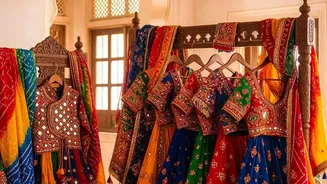
Perhaps the most significant shift is how these crafts are being used. Traditionally, many handcrafted items like Banarasi brocades or intricate metalwork were reserved for festive occasions. Today, that distinction is blurring. Designers and homeowners are seamlessly integrating these elements into their daily lives. An embroidered cushion might be found on a contemporary sofa, a handwoven dhurrie on a polished concrete floor, or a brass uruli repurposed as a planter in a minimalist apartment. This trend is not about creating a museum-like space but about balancing heritage with modern functionality, proving that India's rich craft legacy can be both timeless and perfectly suited to the here and now.