





A bare balcony is a missed opportunity for a personal green sanctuary. But how do you keep it lush through scorching summers and mild winters? The secret isn't just luck; it's a smart strategy for your small-space vertical garden.
The Evergreen Foundation: Your Structural Backbone
The first step to guaranteeing
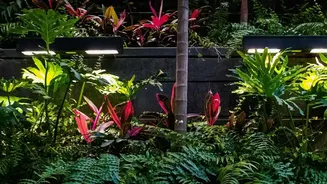
year-round greenery is to establish a strong foundation of evergreen plants. These are the workhorses of your balcony garden, providing a consistent green backdrop when seasonal flowers fade. For Indian balconies, consider hardy options that create structure and texture. Areca Palms add a tropical feel and height, while Boxwood can be pruned to create formal shapes. For trailing effects, English Ivy and Golden Pothos (Money Plant) are excellent choices; they are low-maintenance and can be trained to climb a trellis or cascade from hanging baskets, making excellent use of vertical space. These foliage plants are forgiving and adapt well to the container life, ensuring your balcony never looks completely bare.
Summer Stars: Thriving in the Heat
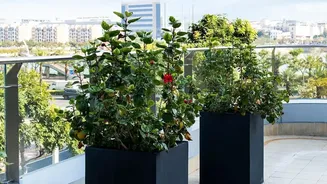
Indian summers demand plants that can handle intense heat and sun. Bougainvillea is a champion in this regard, offering spectacular colour with its vibrant bracts while being incredibly drought-tolerant. It is perfect for a sun-drenched, south-facing balcony. For smaller pots and railing planters, Portulaca (Moss Rose) and Vinca (Sadabahar) are fantastic choices. Portulaca thrives in heat and flowers profusely in direct sun, while Vinca is known for its resilience and continuous blooms in shades of pink, white, and purple. Marigolds are another reliable summer bloomer, handling heat well and providing cheerful colour. These heat-tolerant varieties ensure your balcony remains vibrant even during the hottest months.
Winter Wonders: Colour in the Cooler Months
As temperatures cool, you can introduce a new cast of characters to keep the colour going. Winter is an ideal season for flowering annuals in most parts of India. Petunias are a top choice, producing abundant blooms in a huge range of colours and are perfect for hanging baskets. Chrysanthemums (Guldaudi) are another winter classic, offering beautiful, complex flowers from October to December. For easy-to grow options, consider Calendula (Pot Marigold) and Dianthus, which add bright pops of yellow, orange, and pink. These plants thrive in the mild sunny days and cool nights typical of Indian winters, ensuring your garden remains a floral spectacle.
Thinking Vertically: Maximise Your Space
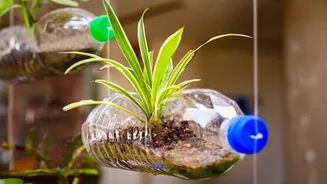
In a small balcony, the only way to go is up. Vertical gardening is not just a trend; it's a necessity for maximising planting area. Use wall-mounted pocket planters, trellises, and railing-hung pots to their full potential. Trailing plants like Money Plant, Spider Plant, and English Ivy are perfect for this, as their cascading foliage creates a living green wall. Climbers such as Bougainvillea and Bengal Clock Vine can be trained up a trellis to create a dense screen of foliage and flowers. Even vegetables like cherry tomatoes and chillies can be grown in vertical setups with enough sunlight. The key is to choose plants with growth habits that suit vertical arrangements, like natural climbers and trailers.
Smart Potting and Care: The Final Guarantee
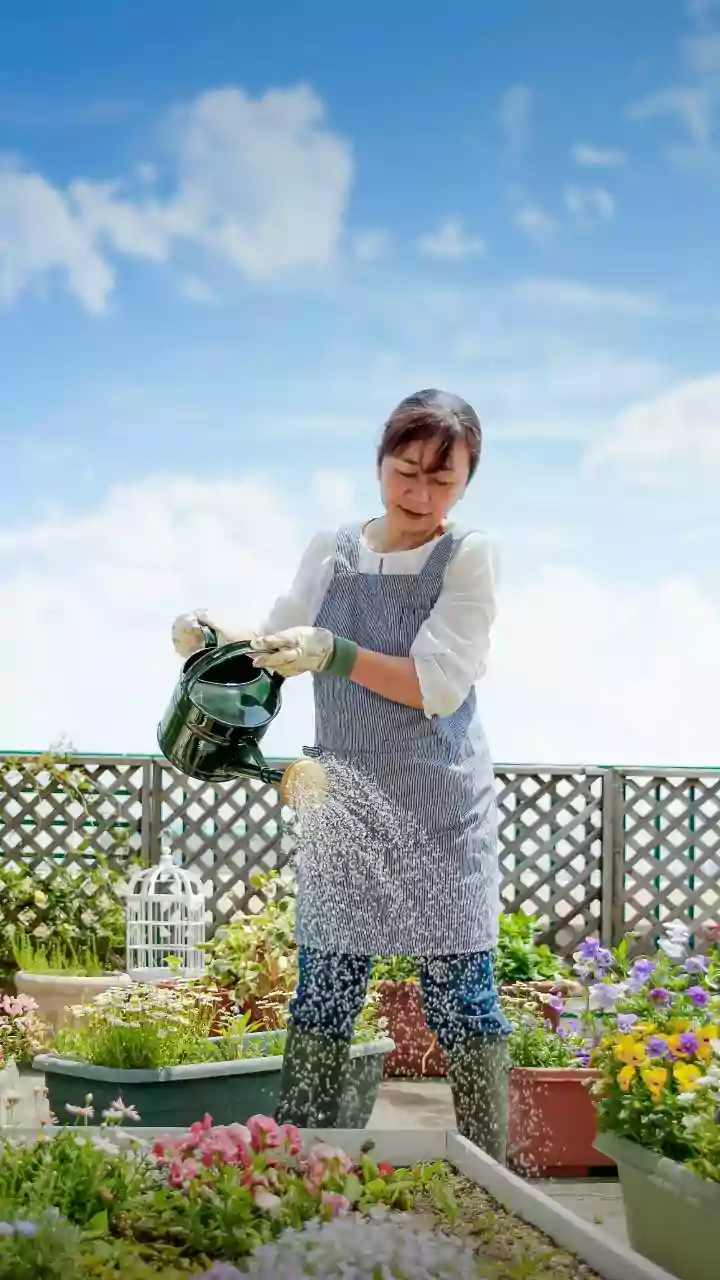
The 'guarantee' in the headline depends heavily on proper care. Use well-draining potting mix, typically a combination of cocopeat, compost, and perlite, to prevent waterlogging, which is a common issue in container gardening. Ensure every pot has drainage holes. Grouping plants with similar light and water needs makes maintenance easier. For example, sun-lovers like Bougainvillea and Portulaca should be placed in the sunniest spots, while shade-tolerant plants like Ferns and Pothos can occupy dimmer corners. Remember that container plants dry out faster than those in the ground, so check the soil moisture regularly, especially during hot and windy days. A little planning in placement and potting goes a long way in ensuring your vertical garden thrives.