



The much-awaited dates for Nagaland's spectacular Hornbill Festival are confirmed for 2026. This guide provides the essential details and context you need to plan your visit to one of India's most vibrant and immersive cultural celebrations.
Confirmed Dates and Venue
Mark your
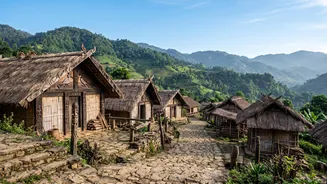
calendars for a vibrant cultural immersion. The Nagaland government has confirmed that the 2026 Hornbill Festival will take place from December 1 to December 10. As is tradition, the main venue will be the Naga Heritage Village at Kisama, located about 12 kilometres from the state capital, Kohima. This purpose-built village is the heart of the festivities, designed to showcase the diverse traditions of Nagaland's tribes in a single, accessible location. The ten-day event is a full-bodied experience, with cultural shows typically starting around 9 AM daily.
The 'Festival of Festivals' Explained
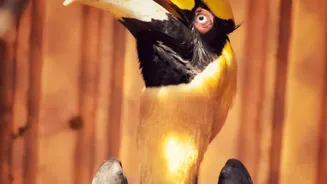
Often called the 'Festival of Festivals', the Hornbill Festival was started by the state government in the year 2000. Its primary goal was to create a single platform to celebrate and preserve the rich, diverse cultures of Nagaland's many indigenous tribes. Before this, each tribe celebrated its own distinct festivals, mostly tied to agricultural cycles. The Hornbill Festival encourages inter-tribal interaction and allows both Nagas and visitors to experience the full spectrum of the state's heritage at once. The event is named after the revered Hornbill bird, a creature that features prominently in the folklore and traditions of nearly all Naga tribes, symbolising respect and grandeur.
A Daily Spectacle of Culture
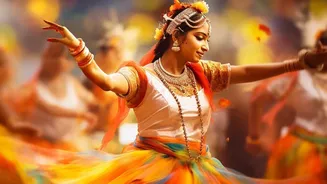
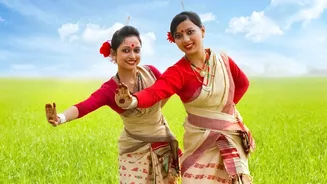
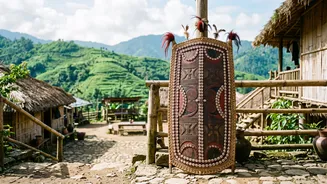
Each day at Kisama is a feast for the senses. The main arena hosts a rotating schedule of performances, where you can witness the traditional dances, folk songs, and mock warrior rituals of Nagaland's 16 recognised tribes. Beyond the stage, the most immersive experience lies in exploring the 'morungs'—traditional bamboo huts, each representing a different tribe. Here, you can interact with elders, watch artisans demonstrate weaving and carving, and sample local delicacies and the famed rice beer, 'zutho'. The grounds also feature indigenous games like archery and Naga wrestling, food courts serving authentic cuisine, and stalls selling exquisite local handicrafts.
Beyond the Daytime Festivities
The energy of the Hornbill Festival extends beyond Kisama and into the evenings. The town of Kohima hosts a bustling Night Carnival every evening, with streets lined with food stalls, live music, and shopping opportunities. For music lovers, a major highlight is the Hornbill International Rock Contest, one of India's most significant battle-of-the-bands events, drawing acts from across the country. Many visitors also use their trip as a chance to explore nearby attractions, such as the historic Kohima War Cemetery or Khonoma, recognised as India's first 'green village'.
Essential Planning for Your Trip
Planning ahead is key to a smooth Hornbill experience. The nearest airport and major railway station are in Dimapur, which is about a 2.5 to 3ndrive from Kohima. Taxis and shared vehicles are available for the journey. Due to the festival's popularity, it is crucial to book accommodation in Kohima well in advance, as hotels and homestays fill up quickly. For domestic Indian tourists, an Inner Line Permit (ILP) is mandatory to enter Nagaland. This can be applied for online through the official government portal. Foreign tourists (with some exceptions) do not need a special permit but must register with the local Foreigner's Registration Office (FRO) upon arrival.