



1. Bhindi (Okra/Lady's Finger)
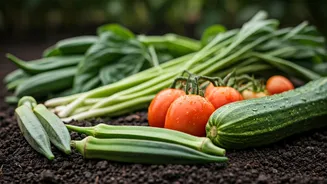
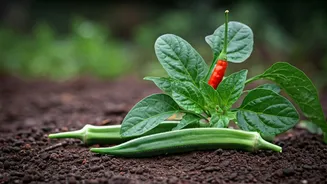
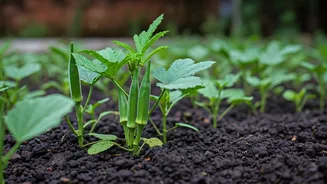
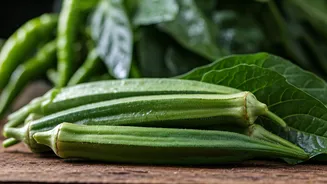
Bhindi is a superstar of the monsoon garden. It loves the humidity and warmth that the season brings, making it incredibly low-maintenance for beginners. This vegetable is not only a staple in Indian kitchens but also quite resilient to common pests.
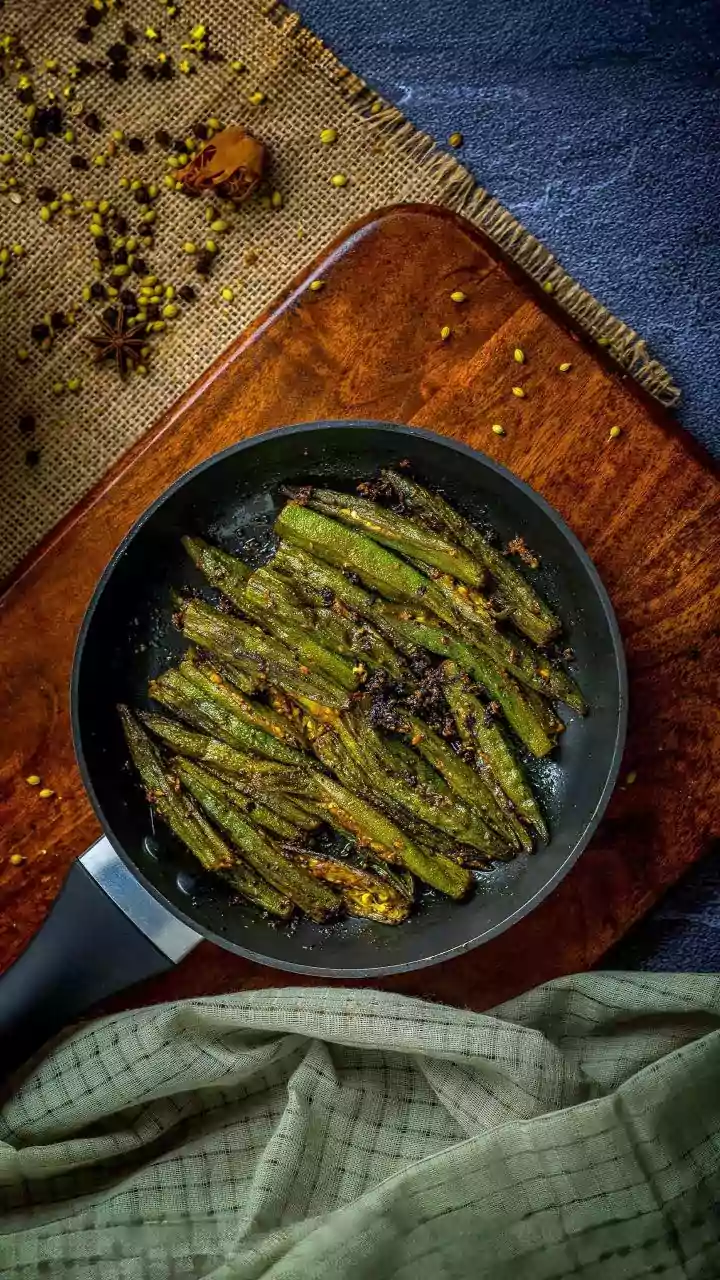
Plant the seeds directly into a pot or garden bed about an inch deep and 12 inches apart. They don’t require constant attention, and the natural rainfall is often enough to keep them happy. Just ensure your pot or patch has good drainage to prevent waterlogging. Within 50-60 days, you’ll be harvesting your own crisp, fresh bhindi for your favourite curries and stir-fries.
2. Palak (Spinach)
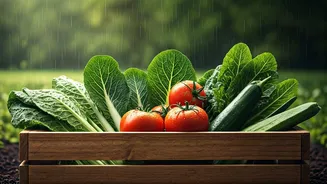
If you want quick results, palak is your go-to. This leafy green thrives in the cooler temperatures that often accompany monsoon showers and can be harvested multiple times from a single planting. It’s perfect for containers on a balcony. Sow the seeds thinly in a wide pot filled with a mix of soil and compost. Keep the soil consistently moist but not waterlogged. Palak grows fast, and you can start snipping the outer leaves in just 30-40 days. This 'cut-and-come-again' method ensures a steady supply for your dals, sabzis, and smoothies throughout the season. The key is to provide some protection from extremely heavy downpours which can damage the delicate leaves.
3. Mooli (Radish)
Radishes are one of the fastest-growing vegetables, making them immensely satisfying for beginner gardeners. The monsoon climate provides the moist soil that radishes love. Choose a long or round variety based on your preference and container depth. Sow seeds about half an inch deep and give them some space to grow. Overcrowding can result in lush leaves but no radish root. The most crucial factor is loose, well-draining soil to allow the root to develop properly. In as little as 25-35 days, you'll be able to pull up your homegrown mooli, perfect for salads or adding a crunchy, peppery kick to your meals.
4. Green Chillies
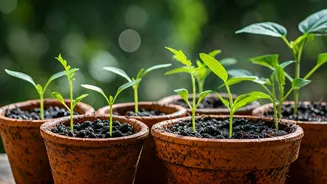
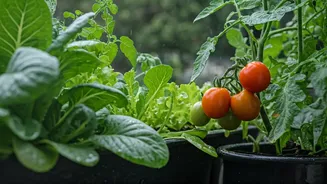
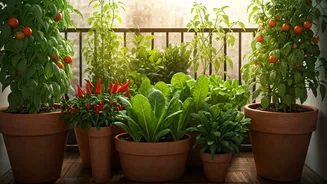
No Indian kitchen garden is complete without the fiery kick of green chillies. The monsoon is an excellent time to plant them, as the plants flourish in the humid conditions. You can easily grow chillies in grow bags or medium-sized pots. It’s best to buy a small sapling from a local nursery to get a head start, but they can also be grown from seeds. Place the pot in a spot that receives at least 4-5 hours of sunlight. While they enjoy the rain, ensure the pot drains well to avoid root rot. Soon, you’ll have a continuous supply of fresh, spicy chillies right at your fingertips.
5. Dhania (Coriander)
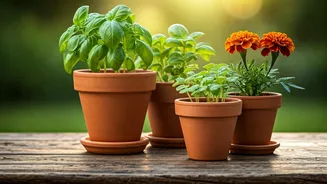
Fresh dhania is essential for garnishing, and growing your own is surprisingly easy during the monsoon. The frequent cloud cover prevents the plant from 'bolting' (flowering prematurely) too quickly. For the best results, lightly crush the whole coriander seeds to split them in half before sowing. Scatter them in a wide, shallow pot with excellent drainage. Cover with a thin layer of soil. Keep the pot in a location that gets morning sun but is shielded from harsh afternoon sun and torrential rain. You can start harvesting the fragrant leaves in about four weeks, ensuring your dishes always have that fresh, finishing touch.
Tips for Monsoon Garden Success
While these crops are easy, a few general tips will help your monsoon garden thrive. Firstly, ensure every pot has drainage holes at the bottom to prevent water from stagnating and causing root rot—this is the number one killer of monsoon plants. Secondly, use a well-draining soil mix, perhaps by adding some sand or cocopeat. Thirdly, check for pests like slugs and caterpillars, which are common in the damp weather. A simple homemade spray of neem oil and water can help keep them at bay. Finally, try to position your pots where they are sheltered from the most intense downpours to avoid soil erosion and physical damage to the plants.