




The Great Urban Burnout
Let's be honest: city life is draining. The relentless pace, the constant noise, the pollution, and the endless screen time take a toll. For many young professionals in Mumbai, Delhi, Bengaluru, and other metros, the five-day work week has become a pressure
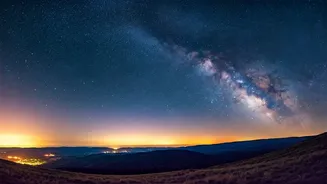
cooker of deadlines and digital fatigue. The traditional weekend escape — a trip to the mall, a movie, or a night out — started feeling like more of the same: crowded, commercial, and disconnected from anything real. There's a growing collective exhaustion, a yearning for silence, clean air, and a slower pace. Nature offers the perfect antidote. It’s a space where the only notifications come from birds and the only blue light is from the sky. This isn't just about a holiday; it's a form of therapy, a necessary reset button for a generation on the verge of burnout.
From Malls to Mountains
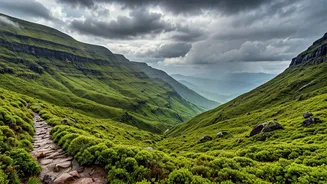
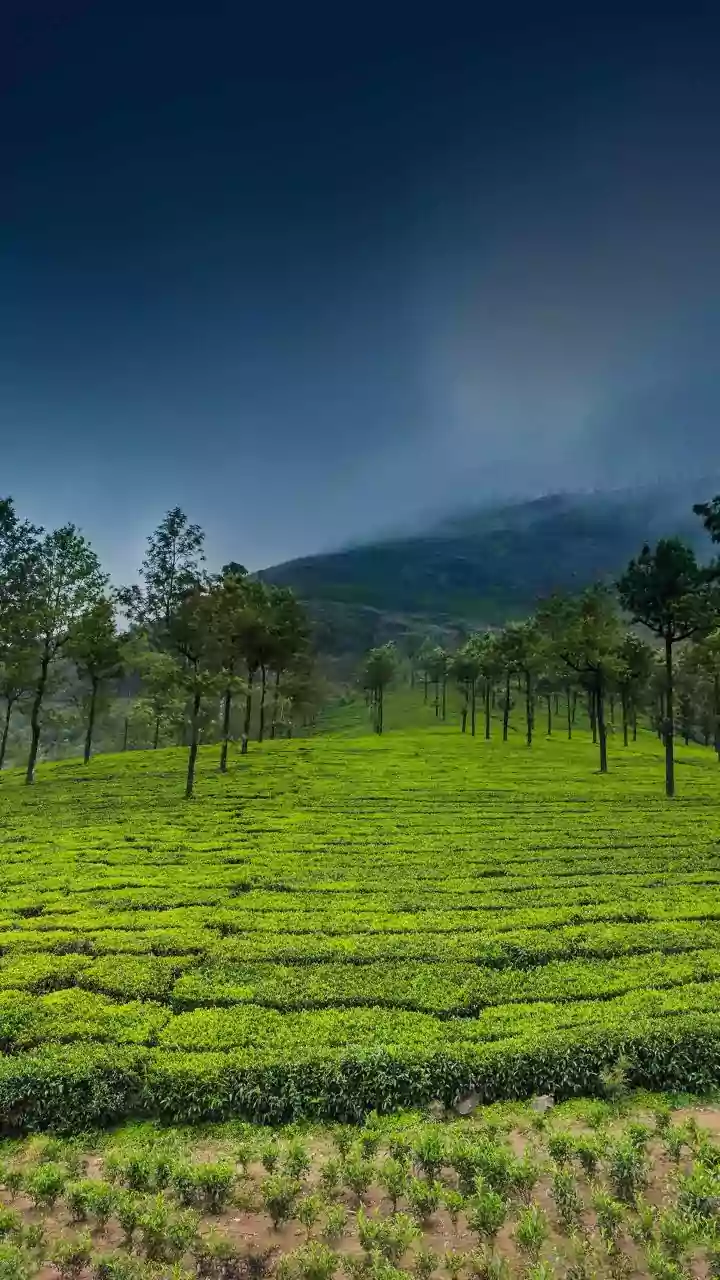
The shift in weekend priorities is visible everywhere. Travel groups on social media are flooded with queries about beginner-friendly treks near major cities. The Sahyadris have become Mumbai and Pune's backyard playground, while the Aravallis offer a quick escape for Delhiites. In the south, the hills of the Western Ghats are a magnet for techies from Bengaluru and Chennai. This isn't the hardcore mountaineering of a select few; it's a mass movement. People are embracing accessible adventures like day hikes, overnight camping, lakeside bonfires, and farm-to-table experiences at rural homestays. These activities provide a sense of accomplishment and a direct connection to the physical world, something that a shopping spree or a Netflix binge simply cannot offer. The focus has moved from consumption to experience, from acquiring things to creating memories.
The Rise of Accessible Adventure
This trend wouldn’t be possible without a new ecosystem of travel companies and better infrastructure. A decade ago, planning a trek required extensive research and logistical know-how. Today, dozens of startups and local guide communities offer curated weekend trips, complete with transport, food, equipment, and expert guidance. They’ve demystified adventure travel, making it safe and accessible for solo women, families, and complete novices. Improved road connectivity to remote areas has also played a crucial role, cutting down travel time and making a two-day trip feasible. This professionalisation has transformed what was once a niche hobby into a mainstream weekend activity. You no longer need to be a seasoned adventurer to stand on a misty peak and watch the sunrise; you just need to book a spot on a bus.
The Instagram Effect: A Double-Edged Sword
It’s impossible to talk about this trend without mentioning social media. A stunning photograph from a remote valley or a triumphant selfie from a mountain summit is powerful social currency. Instagram and other platforms have acted as a massive, user-generated travel brochure, introducing millions to hidden gems and inspiring them to explore. This has fuelled the desire for 'Instagrammable' locations, turning previously unknown spots into weekend hotspots. While this has boosted local economies, it also comes with a downside. Overtourism, littering, and ecological damage are real risks when visitor numbers explode without proper management. The challenge for this new generation of nature lovers is to move beyond just capturing the perfect shot and become responsible travellers who actively work to preserve the very beauty they came to see.