



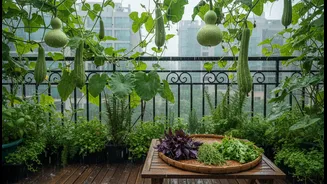


Embrace the Monsoon Advantage
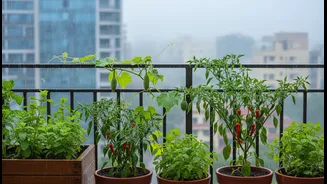
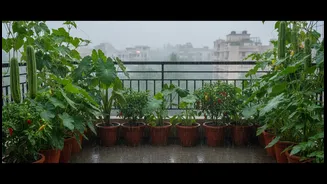
The rainy season offers a unique opportunity for urban gardeners. The higher humidity, cooler temperatures, and abundant rainwater create an ideal environment for many tropical and subtropical plants to thrive. For city dwellers, this translates into
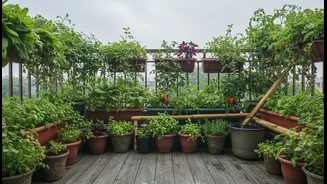
a chance to grow fresh, useful food with a little help from nature. Balcony gardens also improve air quality, provide a therapeutic hobby, and give you access to produce that is free from harmful pesticides. The challenges of heavy downpours and reduced sunlight can be managed with smart planning, making the monsoon an exciting time to start your gardening journey.
Choosing Your Edible Champions
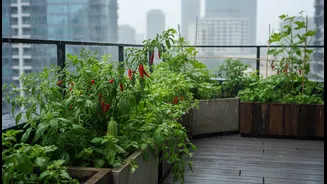
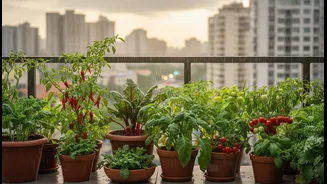
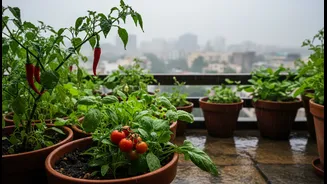
Success begins with selecting the right plants. Not all vegetables can handle the monsoon's intensity, but many thrive. Leafy greens are a great choice; spinach (palak), amaranth (chaulai), and fenugreek (methi) grow quickly in containers. Essential herbs like mint (pudina), coriander (dhania), and basil (tulsi) are also perfectly suited for pots and love the moist conditions. For those wanting something more substantial, consider growing vegetables like okra (bhindi), chillies, and certain varieties of gourds and beans that can be trained up a trellis. These plants are adapted to the humidity and will reward you with a fresh, homegrown harvest.
The Right Setup for Rainy Days
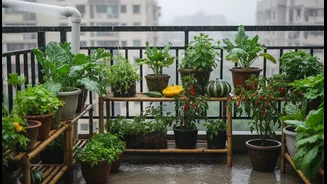
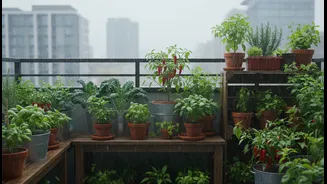
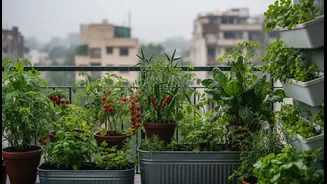
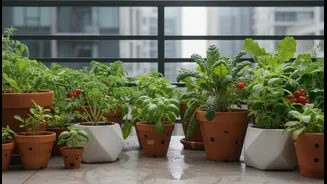
Your setup is crucial for preventing the most common monsoon gardening problem: waterlogging. Choose containers with multiple drainage holes to ensure excess water can escape freely. Elevating your pots on stands or bricks can also significantly improve drainage and airflow. Instead of using heavy garden soil, opt for a light, well-draining potting mix. A combination of cocopeat, compost, and perlite is ideal, as it retains moisture without becoming soggy. Position your plants to receive as much light as possible, which can be scarce on cloudy days. A spot that gets gentle morning sun is often best.
Essential Monsoon Care and Pest Control
During the monsoon, you'll need to adjust your care routine. Overwatering is a major risk, so only water when the top inch or two of soil feels dry. The constant dampness can also invite pests like aphids, slugs, and mealybugs, as well as fungal diseases. Regularly inspect your plants, especially the undersides of leaves. An organic neem oil solution, sprayed weekly, is an effective way to deter most common pests. To prevent fungal growth, ensure good air circulation by not overcrowding your plants and by pruning any dead or yellowing leaves. If you anticipate extremely heavy rain, you can temporarily move smaller pots to a more sheltered part of your balcony.
Harvesting Your Urban Bounty
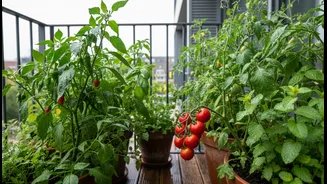
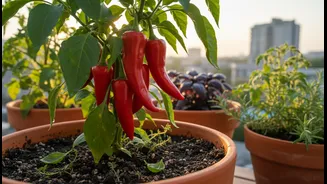
The reward for your efforts is a fresh, flavorful harvest right from your balcony. Most herbs can be snipped as needed, which actually encourages fuller growth. Leafy greens are typically ready to be harvested in just a few weeks. Regularly picking ripe vegetables like chillies and okra will also promote further production. There is nothing more satisfying than cooking a meal with ingredients you have grown yourself, knowing they are as fresh and healthy as possible. This small-scale farming provides not just food, but a powerful connection to the natural cycles, even in the heart of the city.