






For decades, the playbook for retail success in India was simple: win the metros. But the ground is shifting. A new chapter in the country's consumption story is being written in its emerging regional cities, creating a new frontier for retailers.
The Great Migration of Opportunity
The
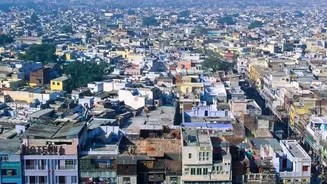
traditional focal points of Indian retail—Delhi, Mumbai, Bengaluru—are no longer the only game in town. A fundamental restructuring is underway as both domestic and global brands increasingly look towards Tier-II and Tier-III cities for their next phase of growth. This isn't just about a few new stores; it's a strategic shift. Cities like Jaipur, Lucknow, Chandigarh, Coimbatore, and Indore are rapidly transforming into significant consumption hubs. Reports from real estate and business consultancies confirm that a massive portion of new capital and retail expansion is concentrating well outside the traditional metropolitan hubs. This trend is fueled by a simple reality: consumers in these cities no longer feel the need to travel to a metro to buy premium products, forcing brands to come to them.
What's Fuelling the Boom?
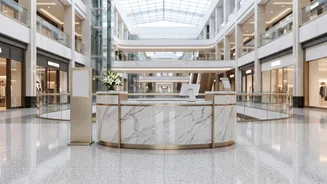
Several powerful forces are converging to drive this regional retail explosion. A key driver is rising disposable incomes and a growing, aspirational middle class in these cities. Improved infrastructure, including better highways and airports, has enhanced connectivity, while widespread internet and smartphone penetration have democratized access to trends and products. E-commerce has played a pivotal role, with some data suggesting that over 60% of all online shopping transactions in India now originate in Tier-II and Tier-III markets. This digital activity has given brands invaluable insight into regional demand, making physical expansion a logical next step. Developers are responding by building modern, large-scale malls that serve as entertainment destinations, not just shopping centres, creating a fertile environment for brands to set up shop.
A New Landscape for Retailers
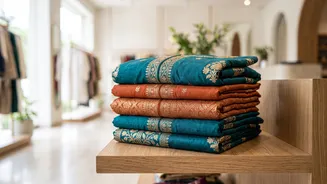
The opportunities in these emerging cities are compelling. Retailers often face lower real estate costs and less competition compared to the saturated metro markets. This allows for faster network expansion, as demonstrated by brands like Zudio, which opened approximately 85% of its new stores in peripheral growth markets or Tier-II cities and beyond. Brands like H&M, Starbucks, Marks & Spencer, and Under Armour are also expanding their footprints into cities such as Kochi, Patna, and Guwahati. The potential to build strong brand loyalty with a fresh, aspirational customer base is immense. This shift applies across sectors, from fashion and electronics to quick-service restaurants and jewellery, indicating a broad-based consumption boom.
Navigating the Challenges
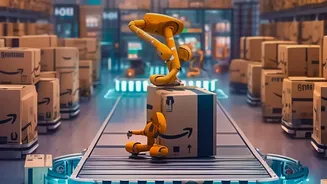
However, success is not a given. A 'copy-paste' strategy from the metros will not work. Retailers must navigate a unique set of challenges. Supply chain and logistics can be complex, and delivering goods efficiently to diverse locations requires significant reinvention. More importantly, brands need to develop a nuanced understanding of local consumer preferences, which can vary significantly from one region to another. Price sensitivity is often higher, and what constitutes an affordable luxury in Mumbai might be viewed differently in Lucknow. Strategies must be localized, from product assortment to marketing, often leveraging regional influencers who hold more sway than national celebrities. Mastering this localized approach is the key to unlocking the vast potential of India's new retail frontier.