








From Traffic Chaos to Pedestrian Calm
For generations, the streets of India's bustling commercial hubs have been defined by congestion. Places like Delhi's Chandni Chowk and Chennai's T. Nagar were synonymous with a constant battle between cars, rickshaws, and people on foot. Urban planners
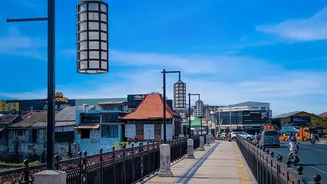
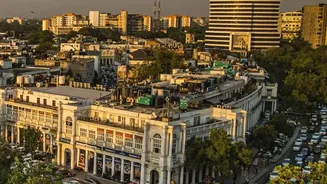
are now implementing a simple but radical solution: pedestrianisation. The core idea is to reclaim streets for people by restricting or completely banning vehicular traffic. The transformation of Chandni Chowk's 1.3-kilometre main stretch, completed in 2021, aimed to restore its historic grandeur by creating a no-traffic zone from 9 a.m. to 9 p.m., paved with red sandstone and furnished with benches. In Chennai, the Pondy Bazaar plaza was created to address hazardous conditions like broken footpaths and haphazard parking that plagued the popular shopping district. The goal in both cases was to make these iconic areas safer, more accessible, and ultimately, more liveable.
A Surprising Boost for Local Business
A common fear among shopkeepers is that banning cars will drive away customers. However, projects in India are proving the opposite can be true. The logic is simple: when people feel safe and comfortable, they stay longer and shop more. In Chennai's Pondy Bazaar, shop owners reported a 15-20% increase in sales in the months following the plaza's inauguration compared to previous years. A wider 2026 study found that businesses on redesigned, pedestrian-friendly streets saw 20% higher turnover than those on conventional roads. Relocated vendors reported an average sales increase of over 50%. The transformation turns a stressful shopping trip into a pleasant outing, encouraging families and tourists to linger. The improved environment has also been shown to attract new investment and generate significant revenue from organised parking, often creating a surplus after maintenance costs are covered.
Creating New Social and Cultural Hubs
Beyond the economic benefits, pedestrian plazas are fundamentally changing the social fabric of city life. These reclaimed spaces are becoming vibrant public squares, giving residents a place to connect and relax. Chennai's Pondy Bazaar plaza has hosted everything from traditional 'Margazhi' concerts to Zumba sessions, storytelling, and yoga. These areas are designed for everyone, featuring amenities like wheelchair-accessible paths, play areas for children, and ample seating for the elderly. This focus on inclusivity makes public spaces more welcoming, especially for women, who report feeling safer on well-lit, redesigned streets. By providing a clean, safe, and engaging environment, these plazas foster a sense of community that was often lost in the noise and stress of traffic.
The Inevitable Bumps in the Road
Despite the successes, the path to pedestrianisation is not always smooth. A primary challenge is getting initial buy_in from traders and vendors who fear a loss of livelihood. In both Chennai and Delhi, extensive consultations were needed to bring stakeholders on board. Even after a project is launched, enforcement and maintenance remain critical issues. In Chandni Chowk, reports from 2024 and 2025 highlighted problems with vehicles flouting the 'no_traffic' rules, unregulated cycle rickshaws, and a lack of consistent maintenance. The redevelopment also led to the displacement of informal street vendors, altering the area's traditional character and affecting livelihoods. These challenges show that redesigning a street is only the first step; long_term management and a plan that includes all members of the street economy are essential for sustained success.